On 10 October 2026, the Irish presidency of the Council of the EU put forward a new negotiation box with revised budget figures for the EU budget 2028-2034. We recognise that the Irish government faced the impossible task of finding a compromise between diverging views on Europe's future. However, their solution will damage Europe and threaten its future in an increasingly competitive and uncertain world.
2026
Seven leading European university and research institutes call for increased investment in R&I for Europe, arguing that FP10 will be critical to Europe’s competitiveness, economic prosperity and capacity to address societal challenges.
The Guild calls for the introduction of Scale-Up Research Actions (SUPRA) in FP10 to support curiosity-driven collaborative frontier research and strengthen Europe's scientific leadership.
For a new EIT regulation, The Guild makes a number of urgent recommendations which are essential for the EIT and the KICs to have a future beyond 2027.
The Guild stresses that the EU’s growing focus on prosperity, resilience and security must include continued investment in sustainability and climate research to address our urgent interconnected environmental, societal and economic challenges.
The Guild, together with six leading European university and research organisations, call on EU policymakers to strengthen investment in R&I in the next Multiannual Financial Framework (MFF).
The Guild is pleased to announce the election of two new members of its Board.
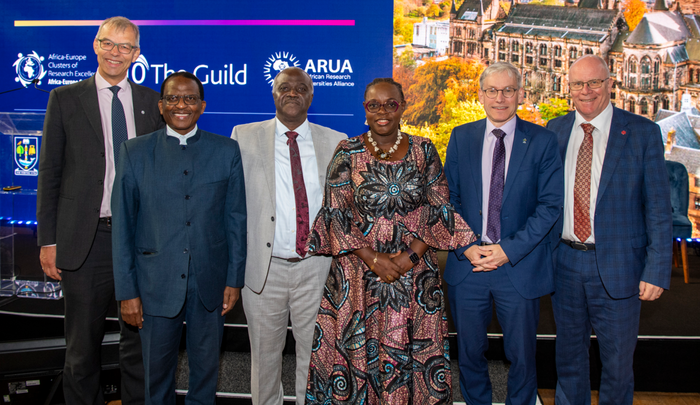
At the ARUA-The Guild Summit, held at the University of Glasgow 14-17 June 2026, Vice-Chancellors and Presidents of 46 leading universities in Africa and Europe resolved to redouble their efforts to address humanity’s common challenges in health, digital transformation, environmental degradation, technological shifts, cultural tensions and geopolitical strife together.
The Guild shares its position on the introduction of dual use in FP10, outlining the safeguards needed to preserve Horizon Europe's civilian character, research excellence and openness while responding to Europe's evolving security challenges.
European research and higher education networks call on the EU to reinforce Europe's proven MSCA model and scale it to multiply its impact.
The Guild welcomes the adoption of the Council’s Partial General Approach (PGA) for FP10, marking a significant milestone toward finalising the FP10 regulation and specific programme.
From 14-17 June, the University of Glasgow welcomed around 250 academics, support staff and university leaders from more than 120 institutions across 44 countries for the 2nd Africa-Europe Clusters of Research Excellence (CoRE) Conference.
The Guild shares its vision for strengthening Social Sciences, Arts and Humanities-led (SSAH) research in FP10, calling for collaborative R&I that frames the continent’s forthcoming scientific, digital and economic transformations in a societal aspiration of the Europe we want to see.
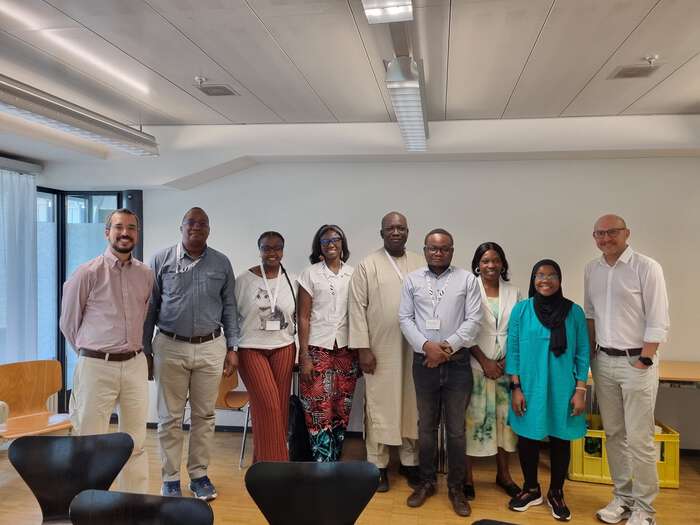
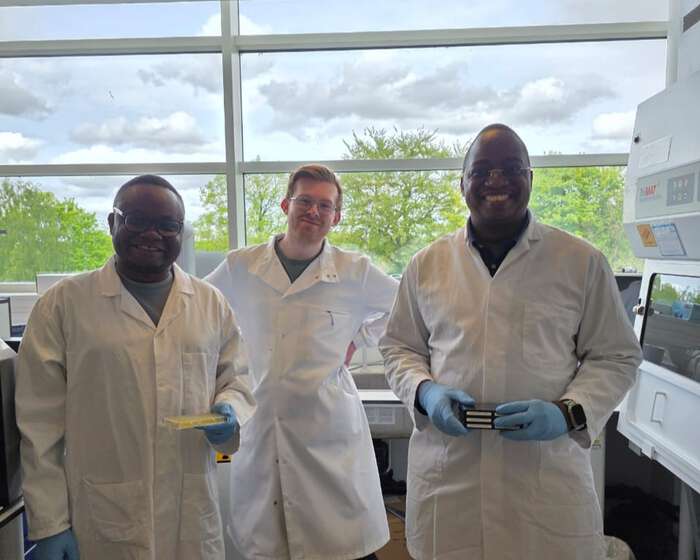
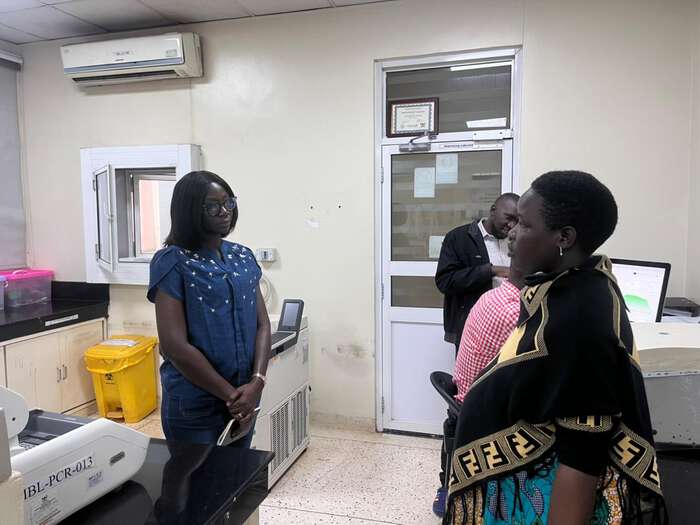
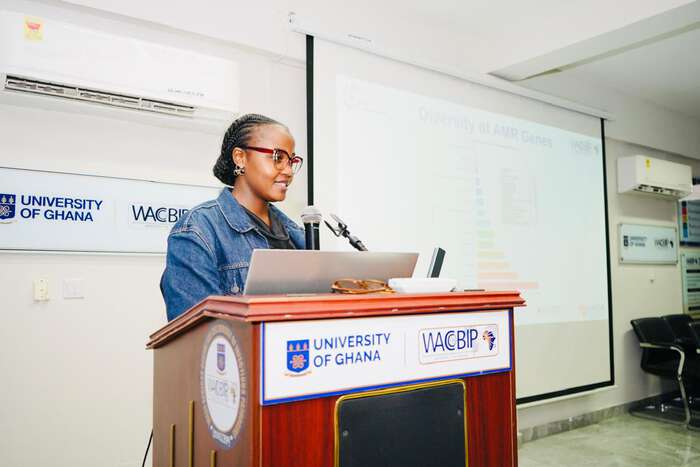
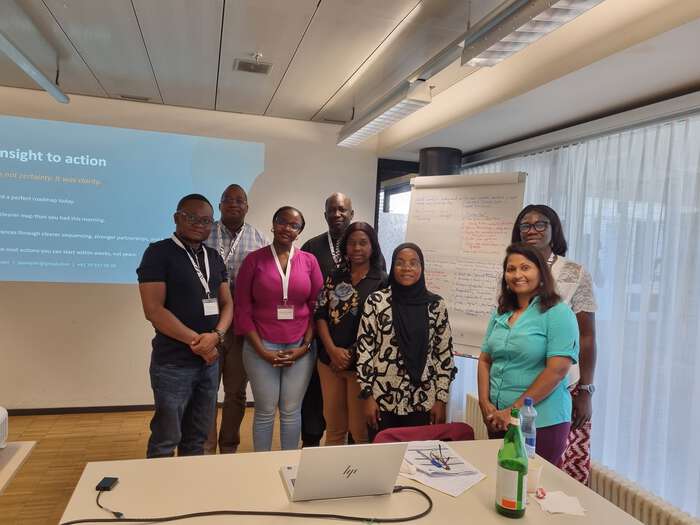
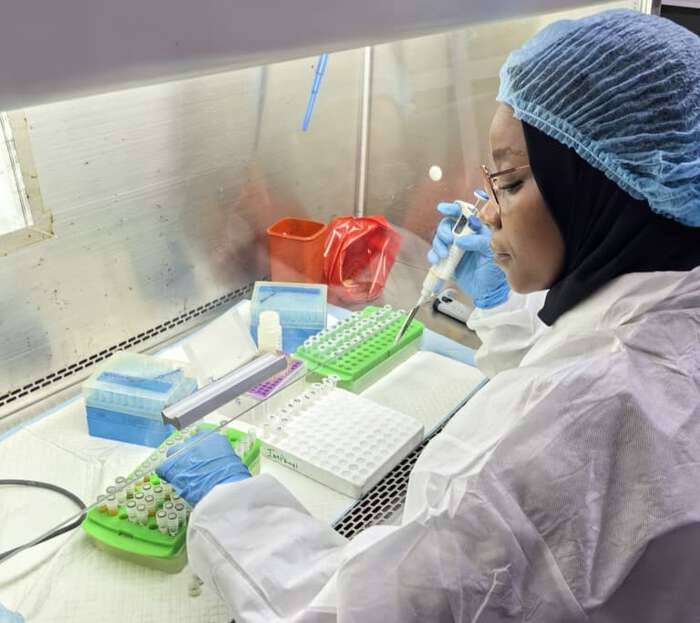
Seven early and mid-career researchers from universities in Malawi, Uganda, Nigeria, and Ghana share their experiences as fellows of the AU-EU Health Partnership to strengthen research on mpox and Lassa fever.
With an encouraging reflection, Dr. Nicholas Bbosa, molecular virologist and pathogen genomics expert at The Medical Research Council (MRC) and Uganda Virus Research Institute (UVRI), looks ahead to the next steps after finishing his fellowship under the AU-EU Health Partnership – a programme designed to strengthen research on mpox and Lassa fever.
Dr. Irene Owusu Donkor, Senior Research Fellow at the Noguchi Memorial Institute for Medical Research (NMIMR), Ghana and epidemiologist, reflected on the power of building scientific networks during the closing week of the AU-EU Health Partnership – a programme designed to strengthen research on mpox and Lassa fever.
Prof. Mustapha Umar Imam, Professor of biochemistry and Director of the Centre for Vaccine Research and Biotechnology at the Federal University of Lafia, Nigeria shares his reflections on one of the central tensions he observed during the closing week of the AU-EU Health Partnership – a programme designed to strengthen research on mpox and Lassa fever.
Ms. Jupiter Marina Kabahita, Bioinformatician at the Uganda National Health Laboratory Services and PhD candidate at Makerere University, reflected on the network she has built throughout the fellowship during the closing week of the AU-EU Health Partnership – a programme designed to strengthen research on mpox and Lassa fever.
Dr. Wakisa Kipandula, molecular diagnostics and infectious disease researcher at Kamuzu University of Health Sciences, reflected on how collaboration across continents could be improved in the closing week of the AU-EU Health Partnership – a programme designed to strengthen research on mpox and Lassa fever.
Dr. Mirriam Ethel Nyenje, Senior Public Health Microbiologist and Head of the National Genomics Reference Laboratory at the Public Health Institute of Malawi, reflects on the power of public health authorities collaborating with academics during the closing week of the AU-EU Health Partnership – a programme designed to strengthen research on mpox and Lassa fever.
Dr. Mariam Kehinde Sulaiman, Medical microbiologist and virologist at the University of Ilorin, Nigeria, reflected on the realities of intra-Africa research collaboration during the closing week of the AU-EU Health Partnership – a programme designed to strengthen research on mpox and Lassa fever.
The Guild together with sixteen other higher education organisations shares its reaction to the CULT Committee draft report on Erasmus+ 2028-2034.
The Guild has released its anniversary publication, celebrating a decade of contribution to European research, innovation, and higher education policy.
The Guild is pleased to announce that, as of 28 May 2026, it has signed the Barcelona Declaration on Open Research Information, marking a coordinated step towards the broader adoption of open research information to support greater transparency, reproducibility, and institutional control over research information and metrics.
The Guild’s annual lecture on academic freedom took place on 20 May, with this year’s edition examining the growing tension between the freedom of scientific research and research security ahead of the European Commission’s forthcoming ERA Act proposal.