“We need to find African-led solutions for priority diseases in Africa in collaboration with Europe.”
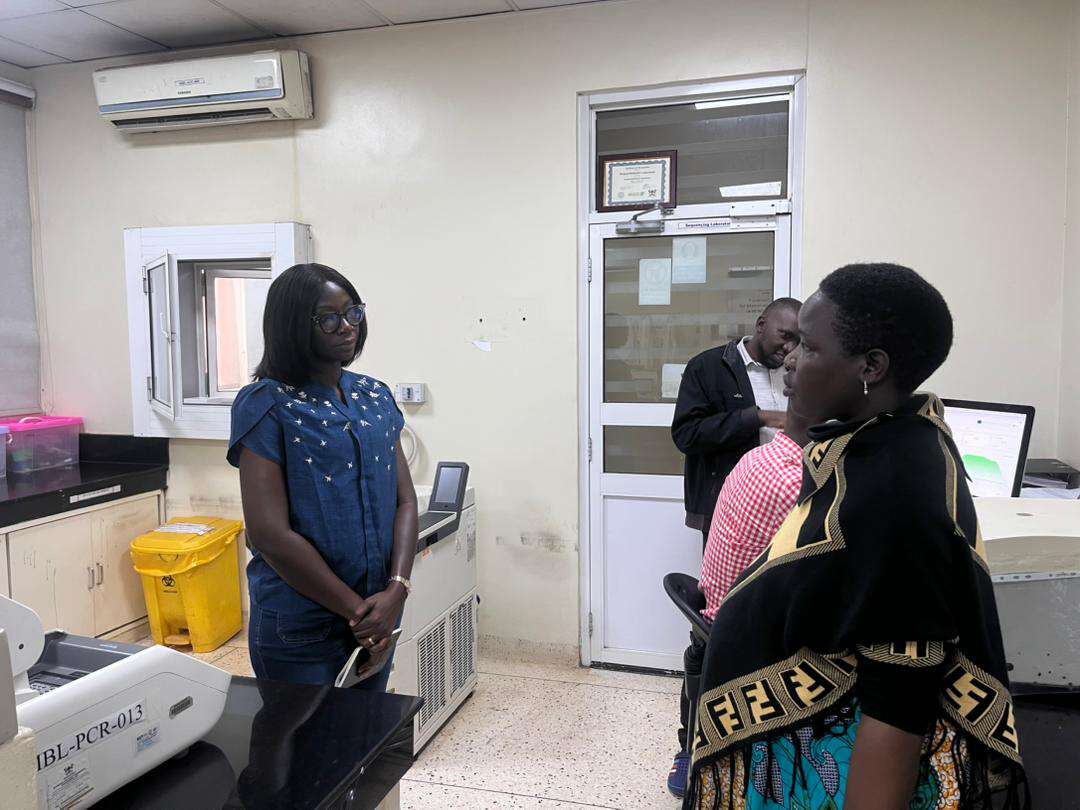
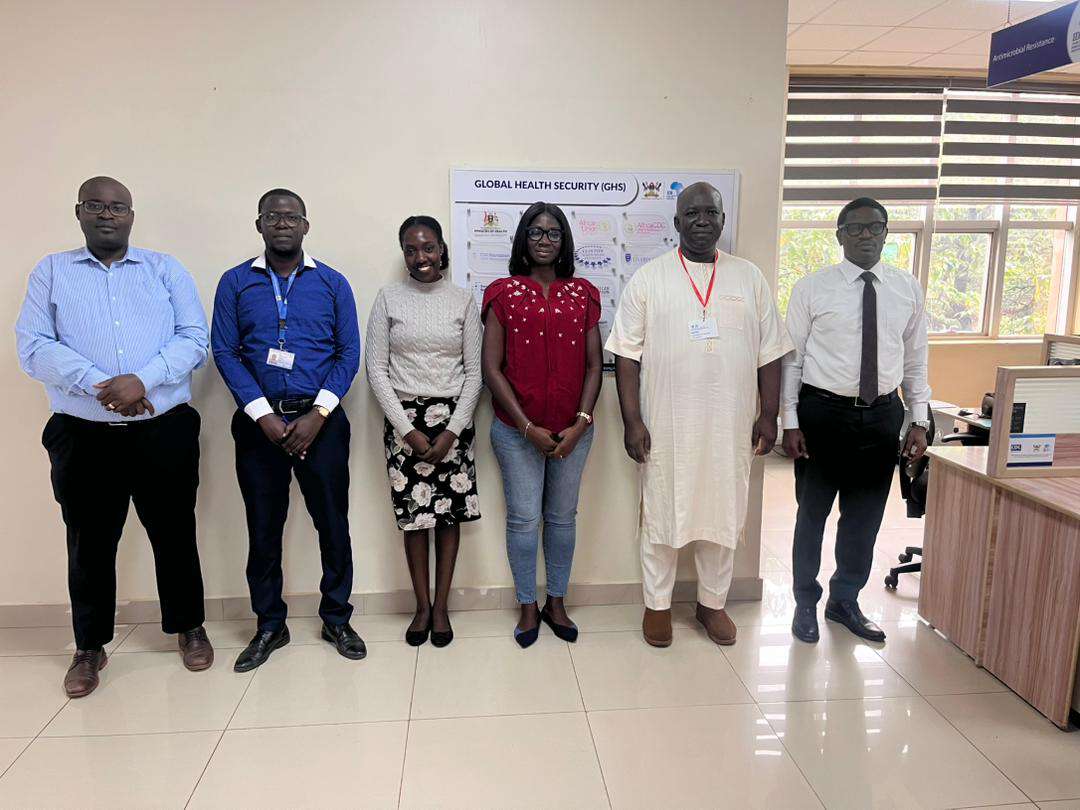
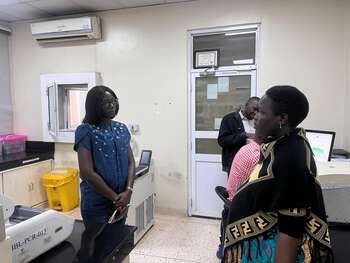
Visiting laboratories and engaging with peers at Makerere University reminded Dr. Irene of a persistent challenge: African researchers often work in isolation, even within the same institution. She emphasised that this siloed approach limits the continent’s scientific impact. To change this, she believes African researchers must “build networks amongst ourselves” so that research is no longer a “one-man show”. Stronger connections would not only help address shared scientific challenges but also increase the visibility and influence of African-led research. “We could build an East-West Africa partnership to study the different mpox strains circulating across these regions and understand what is driving the disease in different populations.”
Dr. Irene emphasised how Lassa fever and mpox have been prevalent in Africa for decades yet only gained global urgency once they appeared in Europe. Africa, she argued, must strengthen its own academic-led collaborative systems to respond swiftly to outbreaks and prevent them, demonstrating to African and international governments that African institutions and researchers can lead their own epidemic responses if they have the resources to act with more sovereignty. But this requires support from politicians and policymakers who must be ready to act decisively when the next outbreak emerges.
For early-career researchers in Africa, she stressed the importance of exchanging observations, sharing preliminary findings, and forming cross-country partnerships. Such collaborations would help to generate the broad evidence base and exchanges that can be activated locally to enable early warnings and responses. If African researchers have the resources to conduct anticipatory public health research, the effectiveness of emergency responses can be better fitted to African priorities and needs, instead of relying on Western funding and priorities.
Yet, South-South collaboration faces practical barriers. High shipping costs, limited data-sharing, unreliable internet access and inconsistent electricity supply could hinder joint research efforts. These challenges, she noted, could be mitigated through joint grant applications and coordinated investment in research infrastructure.
At the University of Bern, Dr. Irene saw how infrastructure and ecosystem actors are in place to translate raw pathogen genomic data into clear Target Product Profiles (TPPs) for real-time design and for prioritising potential vaccines that are well suited to resource-constrained settings. Such research and development infrastructure could be built up in Africa "We need to make sure the infrastructure required to do the work is in place,” she said. “Only then can we truly build something together and strengthen South-South collaboration."
Meet Dr. Irene
Dr. Irene Owusu Donkor is a distinguished Senior Research Fellow at the Noguchi Memorial Institute for Medical Research (NMIMR) and a specialist in the epidemiology of emerging viral pathogens. Her research has utilised retrospective serological analysis to prove that mpox was circulating silently in Ghanaian communities years before the official 2022 outbreak. Furthermore, her studies on Lassa fever address the critical intersection of household transmission and co-infection risks, providing data essential for national health policy.
Translational research project: Developing an early warning system for mpox outbreaks
Host institutions
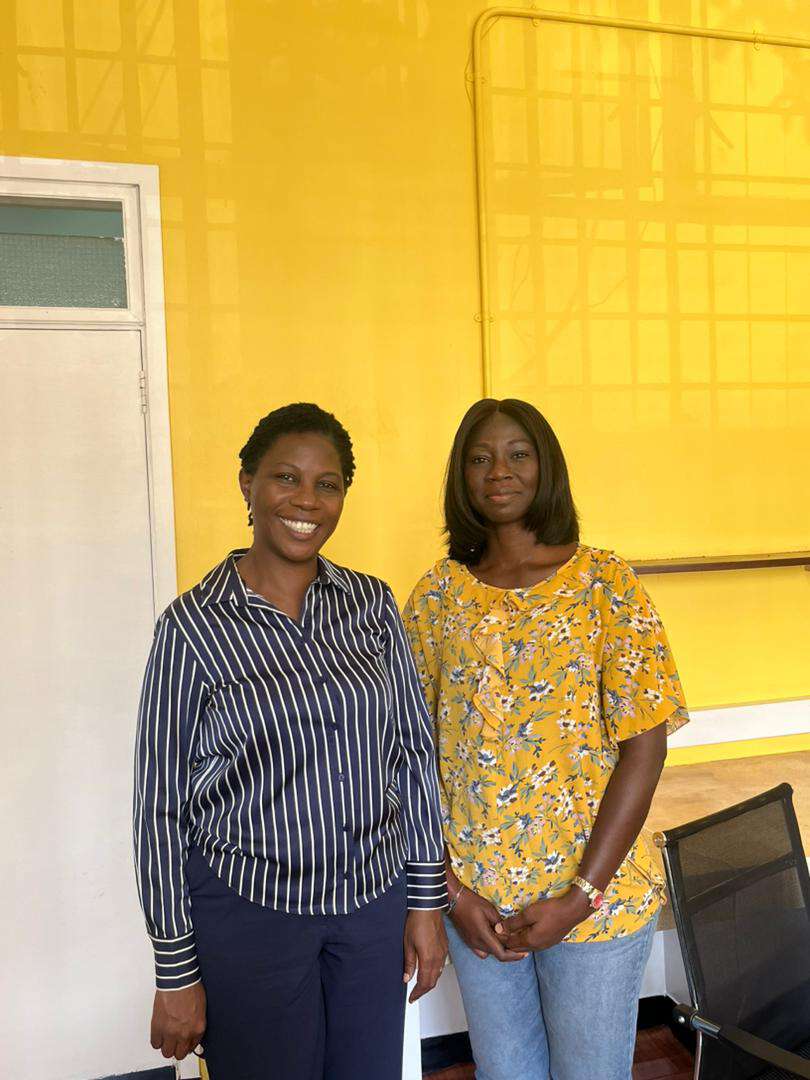
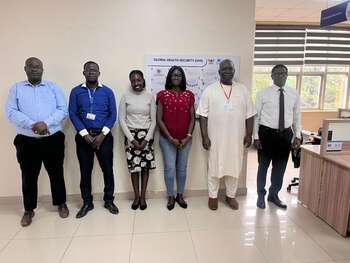
- Makerere University – supervisor: Prof. Damalie Nakanjako
- University of Ibadan – supervisor: Dr. Adeola Fowotade
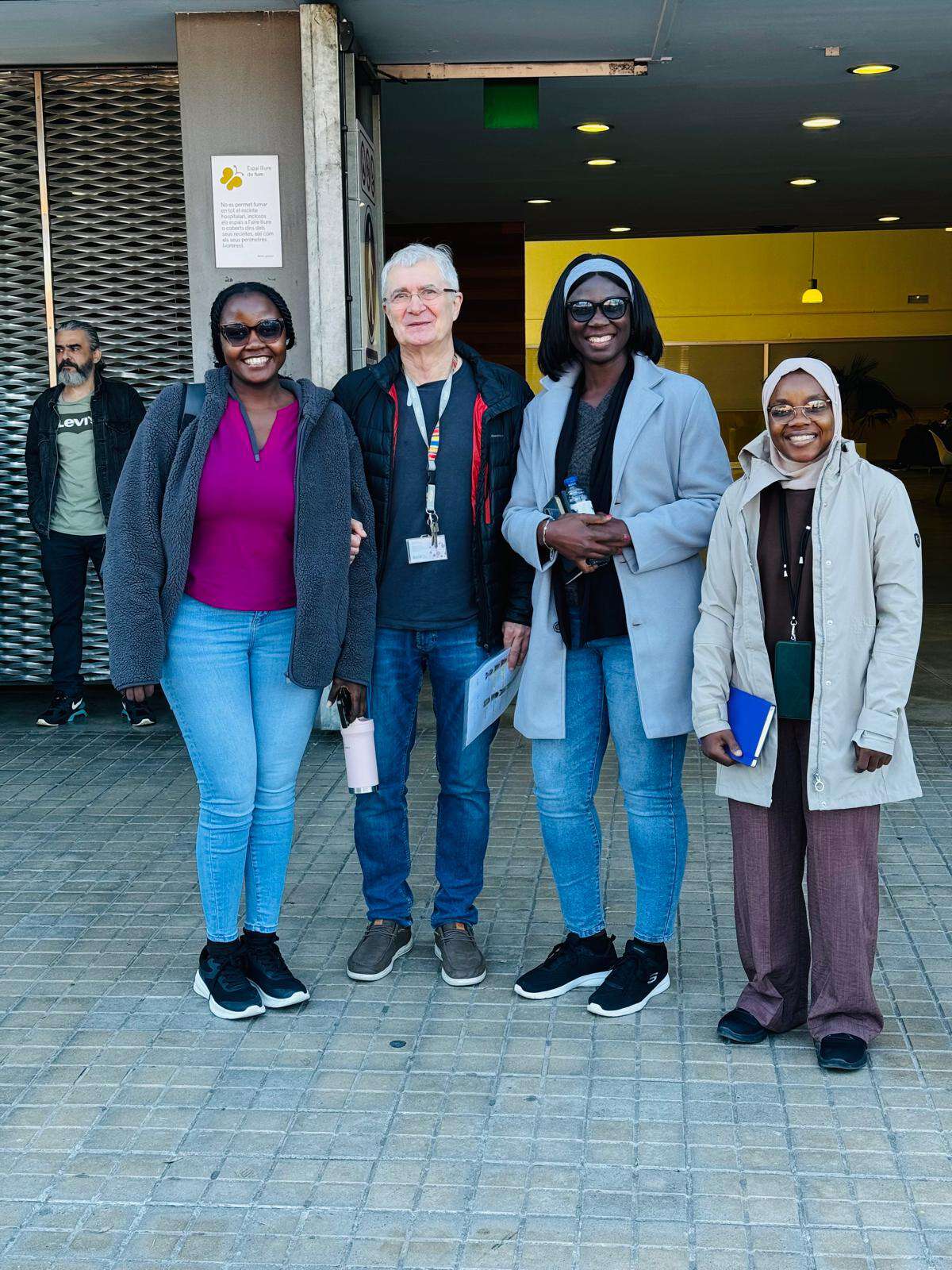
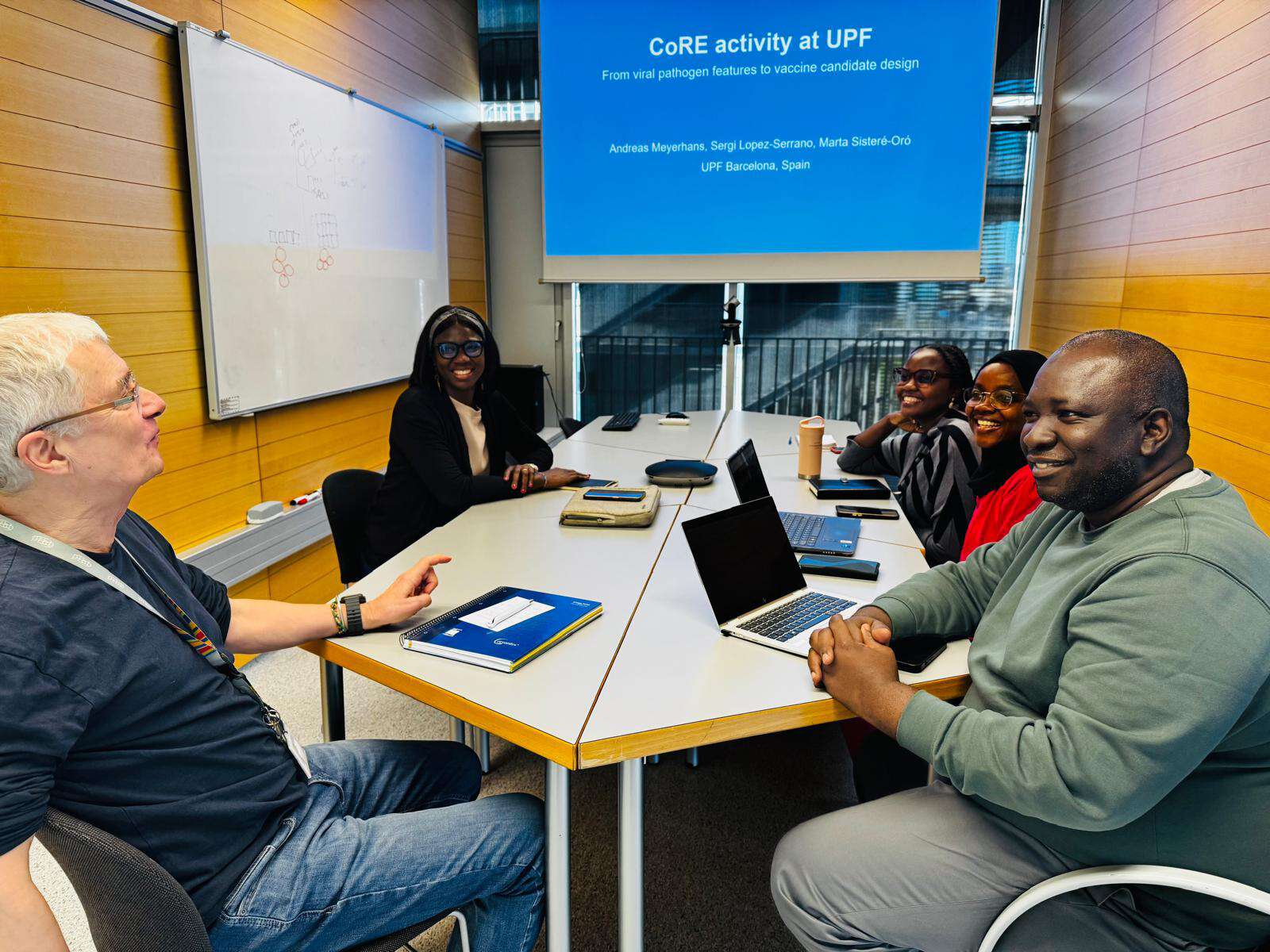
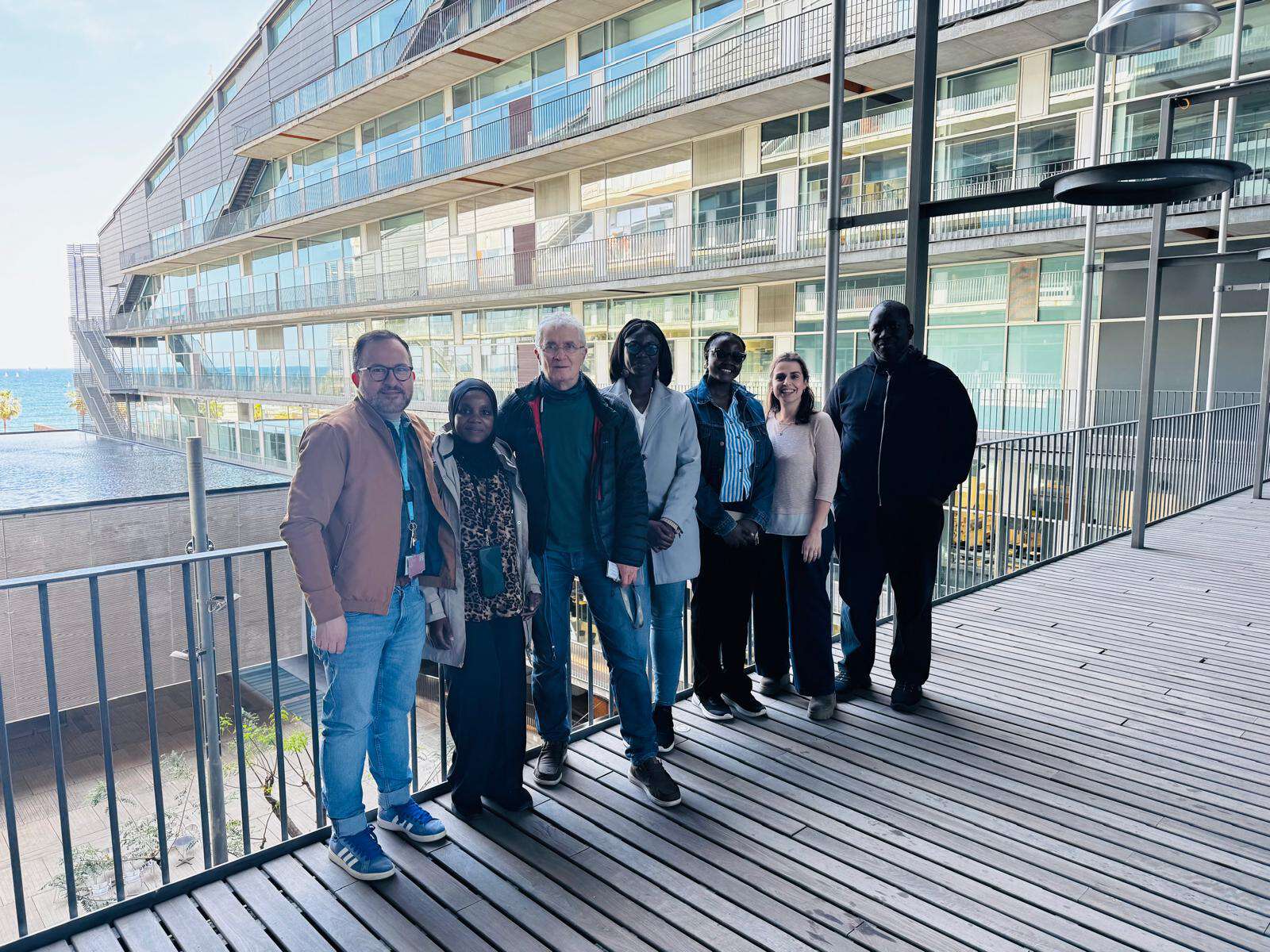
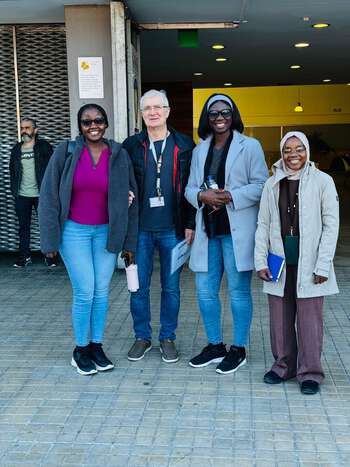
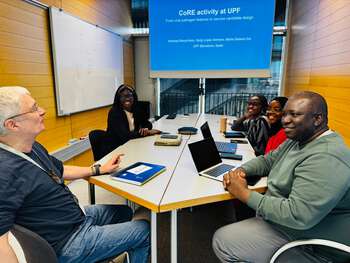
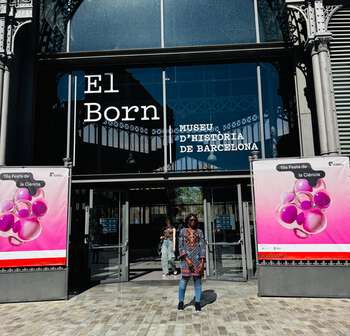
- Pompeu Fabra University – supervisor: Prof. Andreas Meyerhans
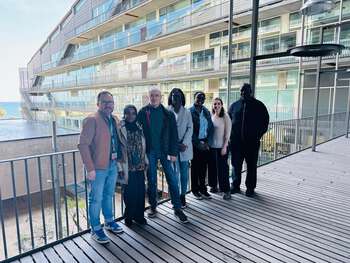
- University of Bern – supervisor: Dr. Phaedra Simitsek


.jpeg)
.jpeg)
.jpg)
.jpeg)
.jpeg?alt=thumbnail)
.jpeg?alt=thumbnail)
.jpg?alt=thumbnail)
.jpeg?alt=thumbnail)
About the AU-EU Health Partnership
The AU-EU Health Partnership is a broad coalition from Africa and Europe working together to strengthen health systems, improve health security, and increase access to pharmaceuticals in Africa. Encompassing myriad projects and partners at the continental, regional, and country levels, the initiative is making critical contributions to ensuring healthy lives and promoting well-being for all at all ages (SDG 3). Health is also one of the pillars of the European Union’s Global Gateway strategy, which aims to boost smart, clean and secure connections in digital, energy and transport sectors, and to strengthen health, education and research systems across the world.
The partnership benefits from coordinated implementation and focuses on five interconnected themes:
· Manufacturing and access to vaccines, medicines, and health technologies (MAV+)
- Sexual and reproductive health and rights (SRHR)
- Sustainable health security using a "One Health" approach (HSOH)
- Digital health for health systems strengthening and universal health coverage (DH)
- Support for public health institutes (PHI)
Team Europe actors include the European Commission, the European Investment Bank, the European Centre for Disease Prevention and Control as well as EU Member States including Belgium, Czech Republic, Denmark, Finland, France, Germany, Ireland, Italy, Luxembourg, Malta, the Netherlands, Portugal, Spain, and Sweden.