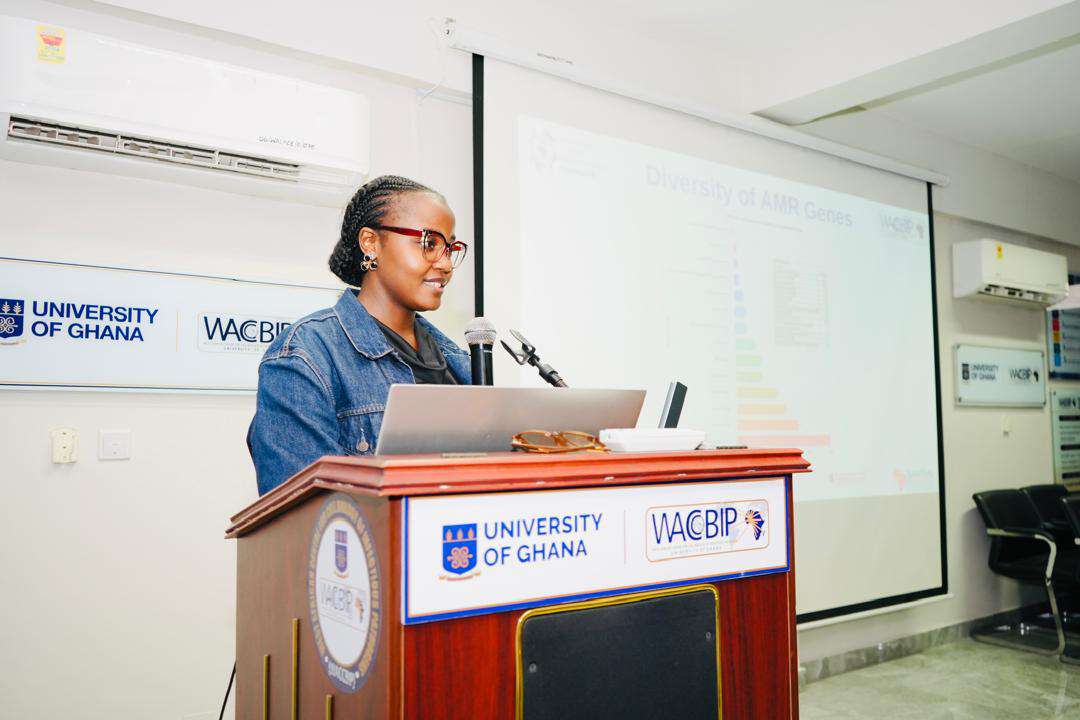
"This fellowship has strengthened my network in other African countries."
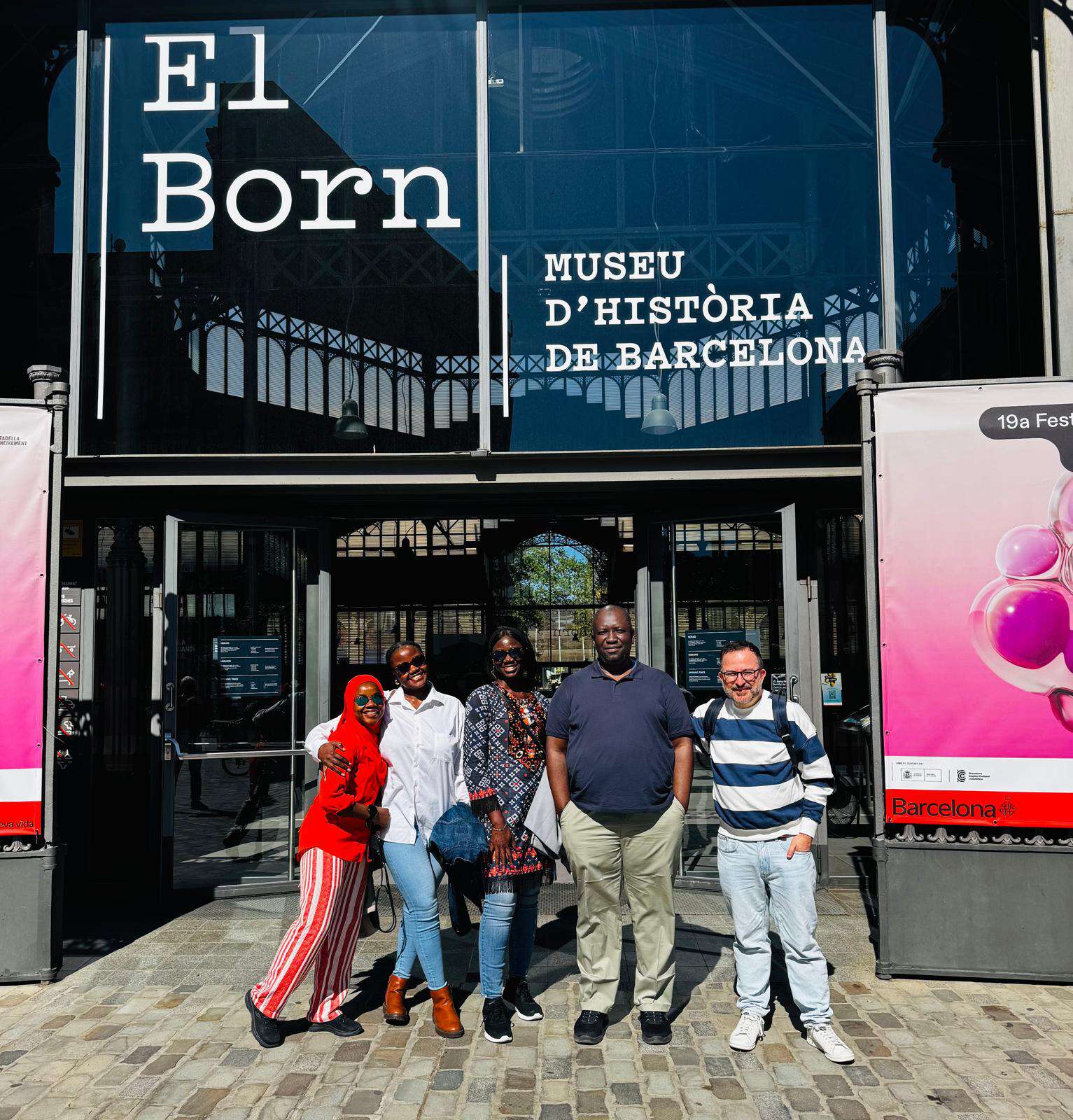
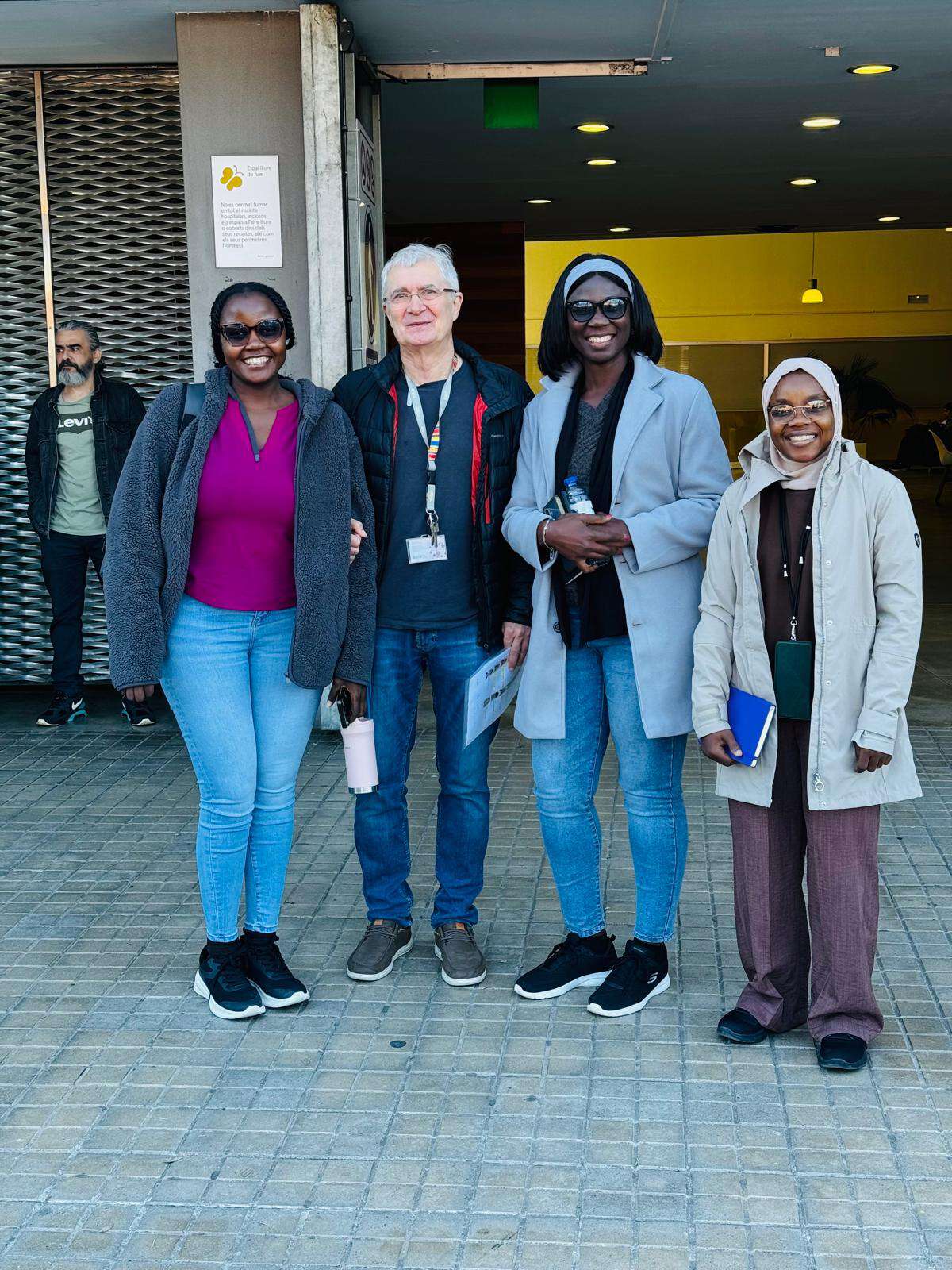
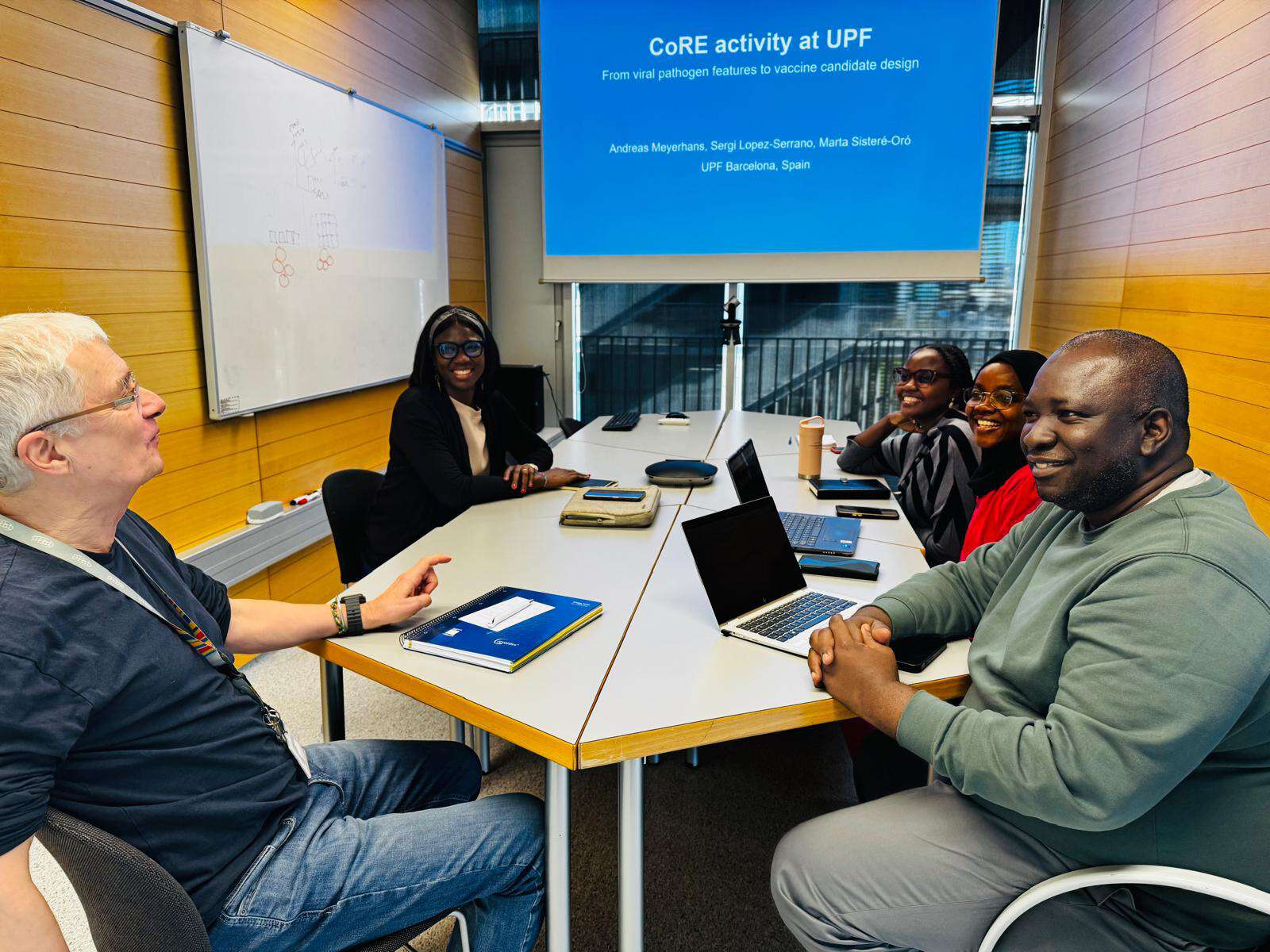
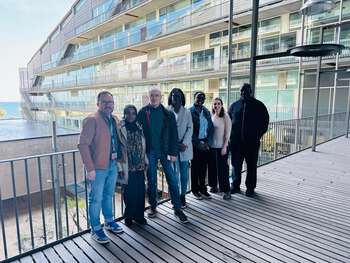
After visiting all the hosting institutions, Ms. Marina concluded that the programme offered a rare opportunity to form strong bonds with African colleagues. The fellows spent extensive time together, learning about each other’s work, sharing challenges, and exploring how they could support one another’s research regardless of their individual project concepts. Through this network, she has learned new techniques she can apply to mpox as well as other diseases affecting Uganda including the recent outbreak of Bundibugyo Ebola virus more recently. She is already working with African colleagues on the idea of developing a joint grant application and has returned to respond to the public health emergency in her country with new ideas and capacities.
Ms. Marina also reflected on the gaps in infrastructure and leadership that continue to shape how knowledge gained is applied at home. In Europe, she observed, project conceptualisation is deeply tied to societal impact. Researchers are not only conducting research, publishing articles but are thinking about how their research can have a tangible impact on peoples’ lives. "I think back home we need to start asking those same questions," she said.
For her, this shift is fundamentally about mindset. African researchers, she argued, must begin to approach their work with translational intent. She imagined a scenario in which a research student is encouraged by their professor to pursue innovative ideas and translate their findings into something tangible that benefits society, a spark that could inspire others to do the same.
When asked what she would choose between publishing articles or protecting the intellectual property of her findings and translating it into something palpable, Ms. Marina paused. At this stage of her career, she explained, publishing remains essential for establishing herself within her research field and progressing toward a professorship. Although the fellowship has motivated her to explore translational research more intentionally, the incentives are less clear for research discoveries to reach the market.
Discussing her work on mpox and Uganda’s response to the outbreak, Ms. Marina underscored the importance of collective action. “You cannot fight an outbreak alone or as institution. It’s a collaborative effort.” She proudly shared how Uganda’s investment in building its capacity during the mpox epidemic has transformed the country’s approach to investigating and understanding outbreaks. With support from Africa CDC and the Ugandan government, genomic sequencing for mpox is now being conducted at the Uganda National Health Laboratory Services (UNHLS). "That really changes how we fight outbreaks and how we actually understand them," she said.
Meet Ms. Jupiter Marina
Ms. Jupiter Marina Kabahita is a bioinformatician and pathogen-genomics specialist. She applies computational approaches to analyse genomic data from pathogens of public health importance, and her work in next-generation sequencing and phylogenetics supports capacity building, transmission mapping and outbreak detection.
Translational research project: Proteome conservation analysis to identify mpox specific vaccine targets
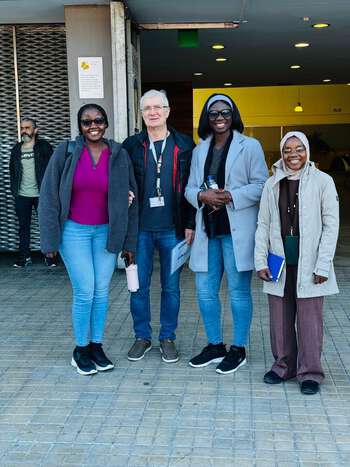
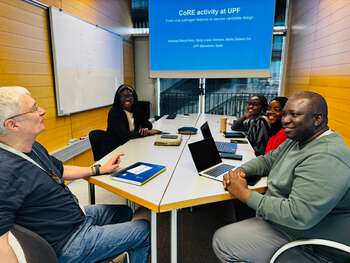
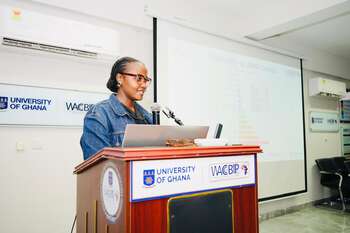
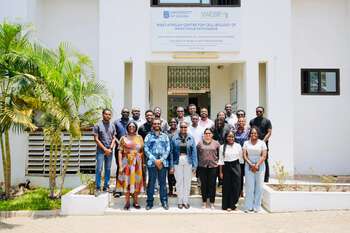
Host institutions
- University of Ghana – supervisor: Prof. Gordon Awandare
- Radboud University – supervisors: Prof. Benjamin Mordmüller, Prof. Marien De Jonge & Prof. Quirijn de Mast
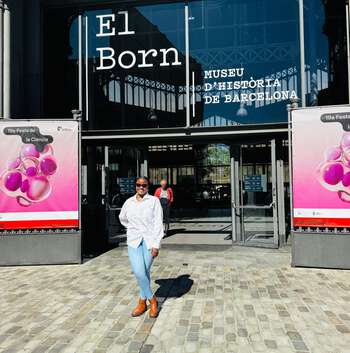
- Pompeu Fabra University – supervisor: Prof. Andreas Meyerhans
- University of Bern – supervisor: Dr. Phaedra Simitsek
.jpeg)

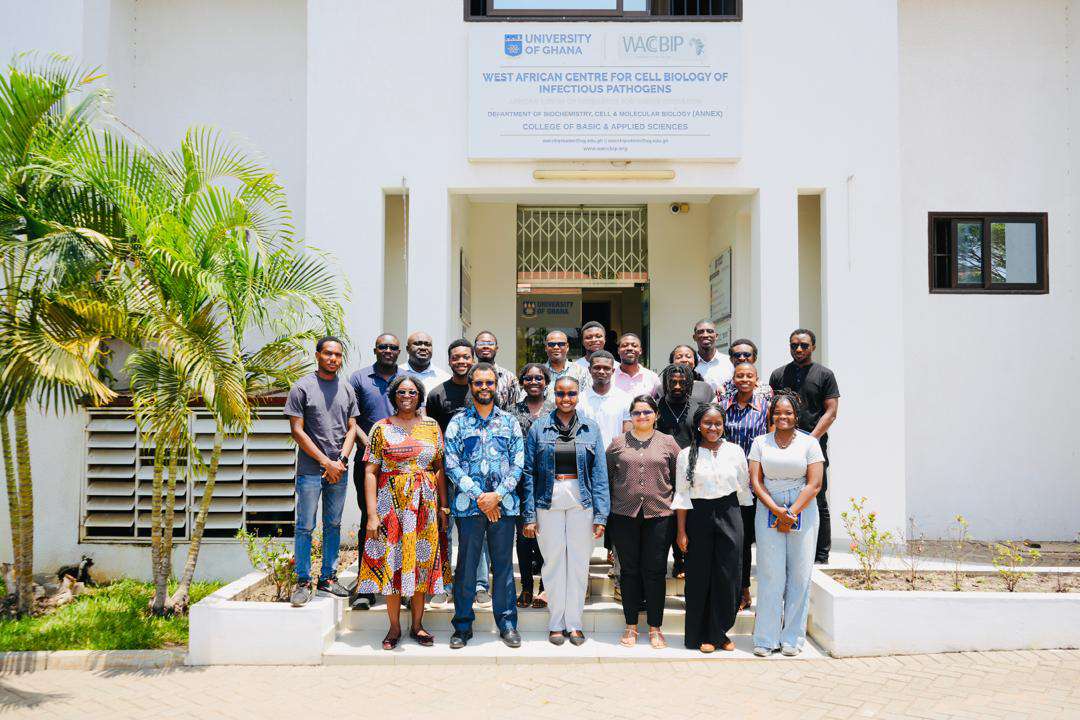
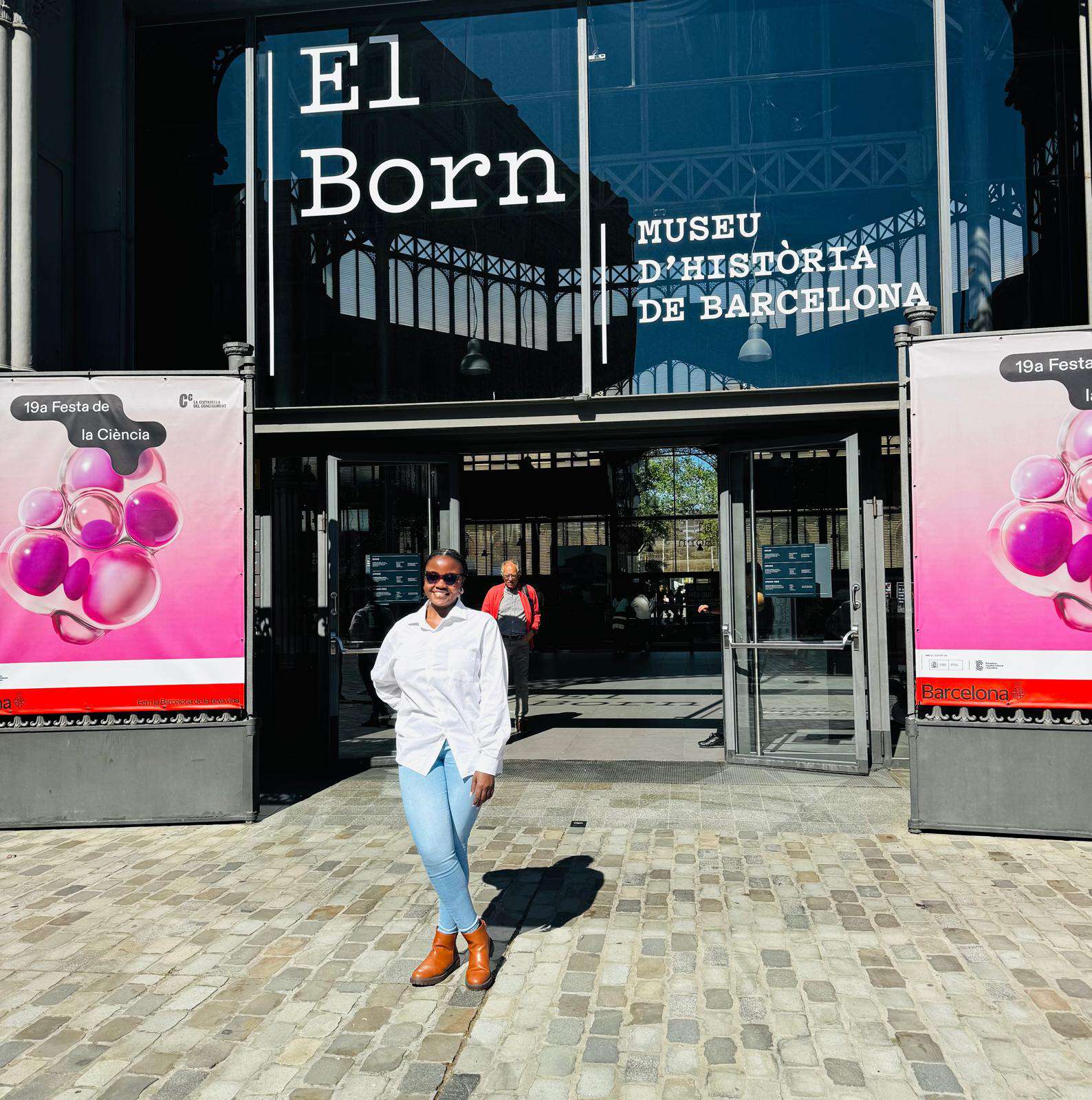
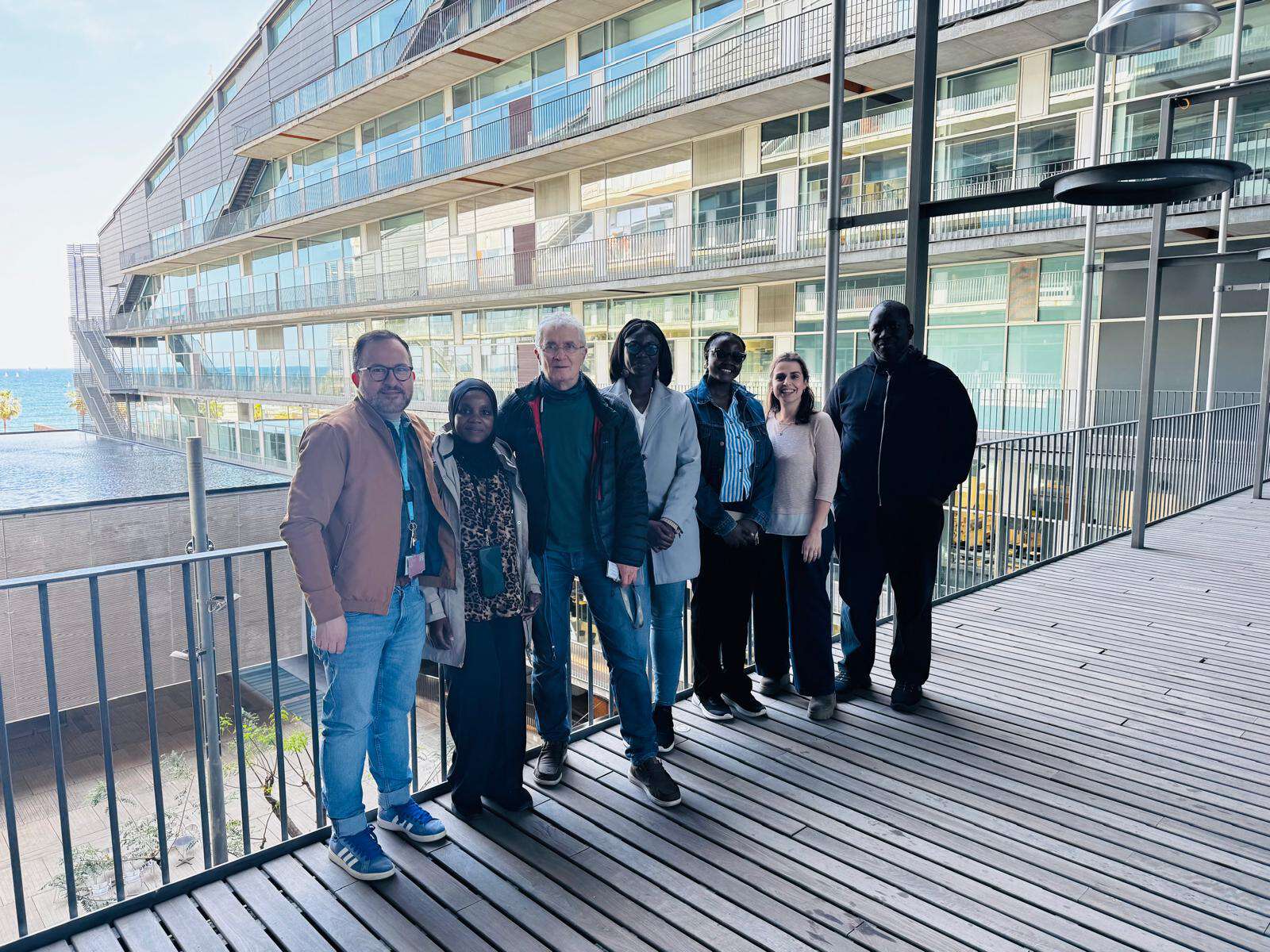
.jpeg)
.jpeg?alt=thumbnail)
.jpeg?alt=thumbnail)
About the AU-EU Health Partnership
The AU-EU Health Partnership is a broad coalition from Africa and Europe working together to strengthen health systems, improve health security, and increase access to pharmaceuticals in Africa. Encompassing myriad projects and partners at the continental, regional, and country levels, the initiative is making critical contributions to ensuring healthy lives and promoting well-being for all at all ages (SDG 3). Health is also one of the pillars of the European Union’s Global Gateway strategy, which aims to boost smart, clean and secure connections in digital, energy and transport sectors, and to strengthen health, education and research systems across the world.
The partnership benefits from coordinated implementation and focuses on five interconnected themes:
· Manufacturing and access to vaccines, medicines, and health technologies (MAV+)
- Sexual and reproductive health and rights (SRHR)
- Sustainable health security using a "One Health" approach (HSOH)
- Digital health for health systems strengthening and universal health coverage (DH)
- Support for public health institutes (PHI)
Team Europe actors include the European Commission, the European Investment Bank, the European Centre for Disease Prevention and Control as well as EU Member States including Belgium, Czech Republic, Denmark, Finland, France, Germany, Ireland, Italy, Luxembourg, Malta, the Netherlands, Portugal, Spain, and Sweden.