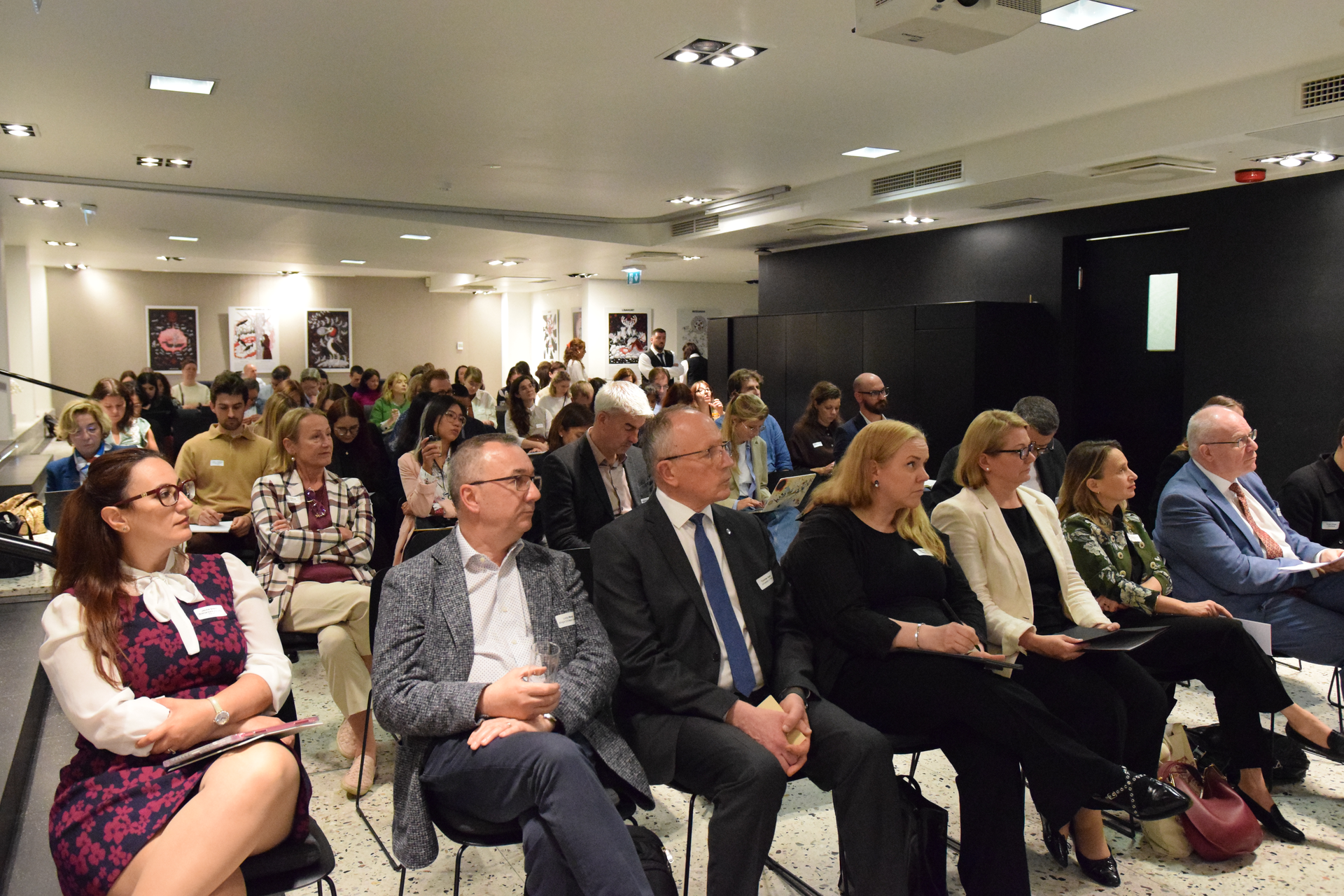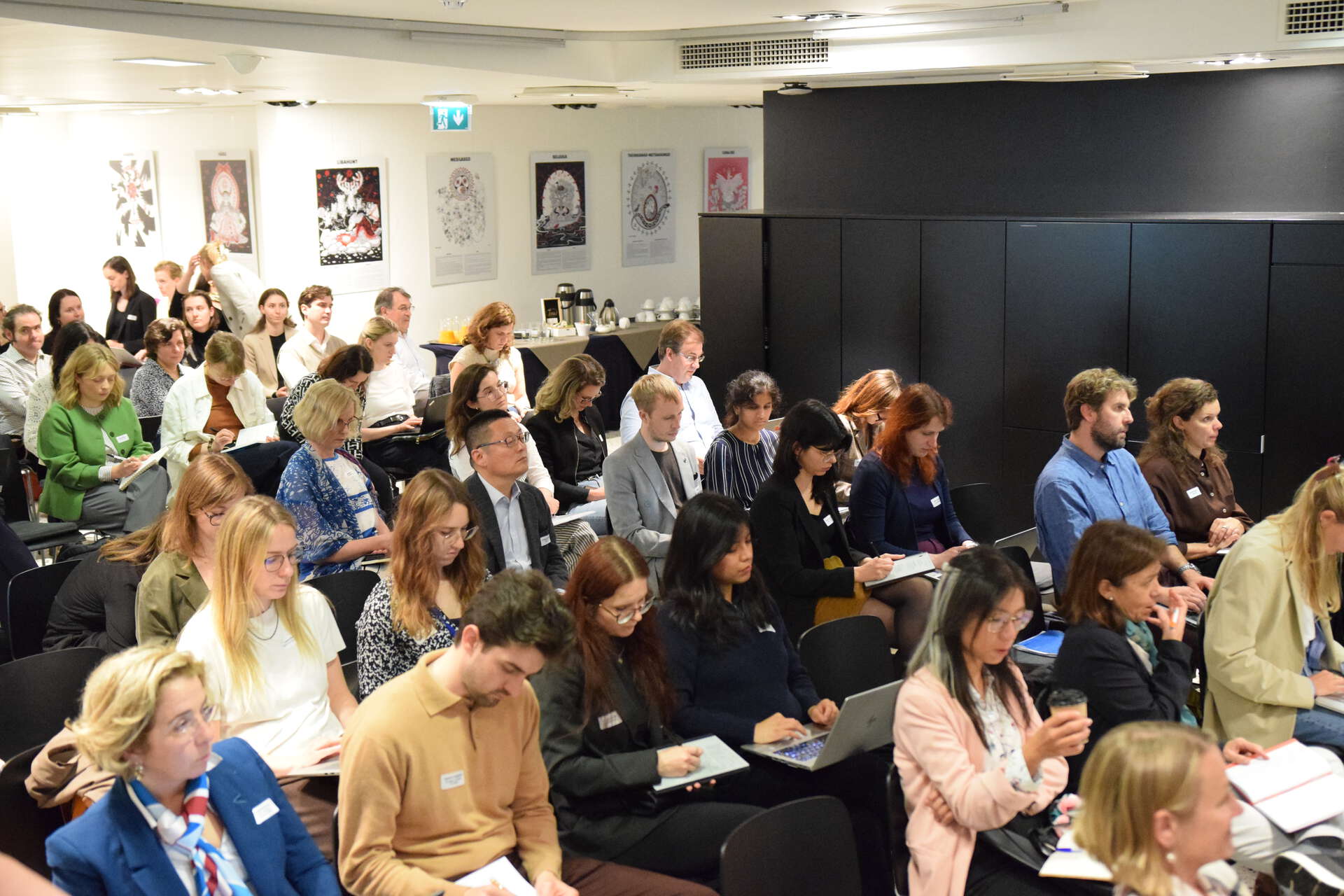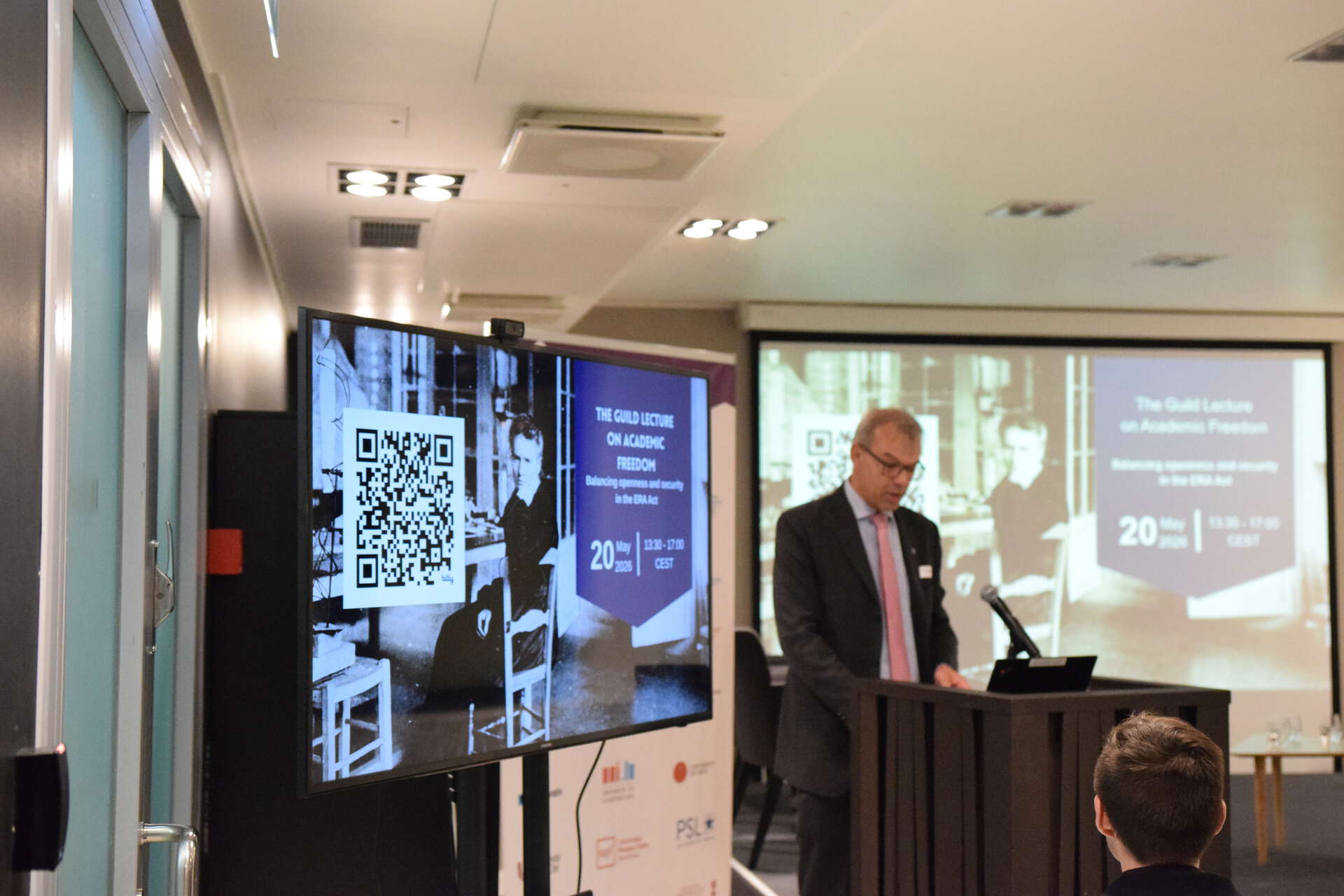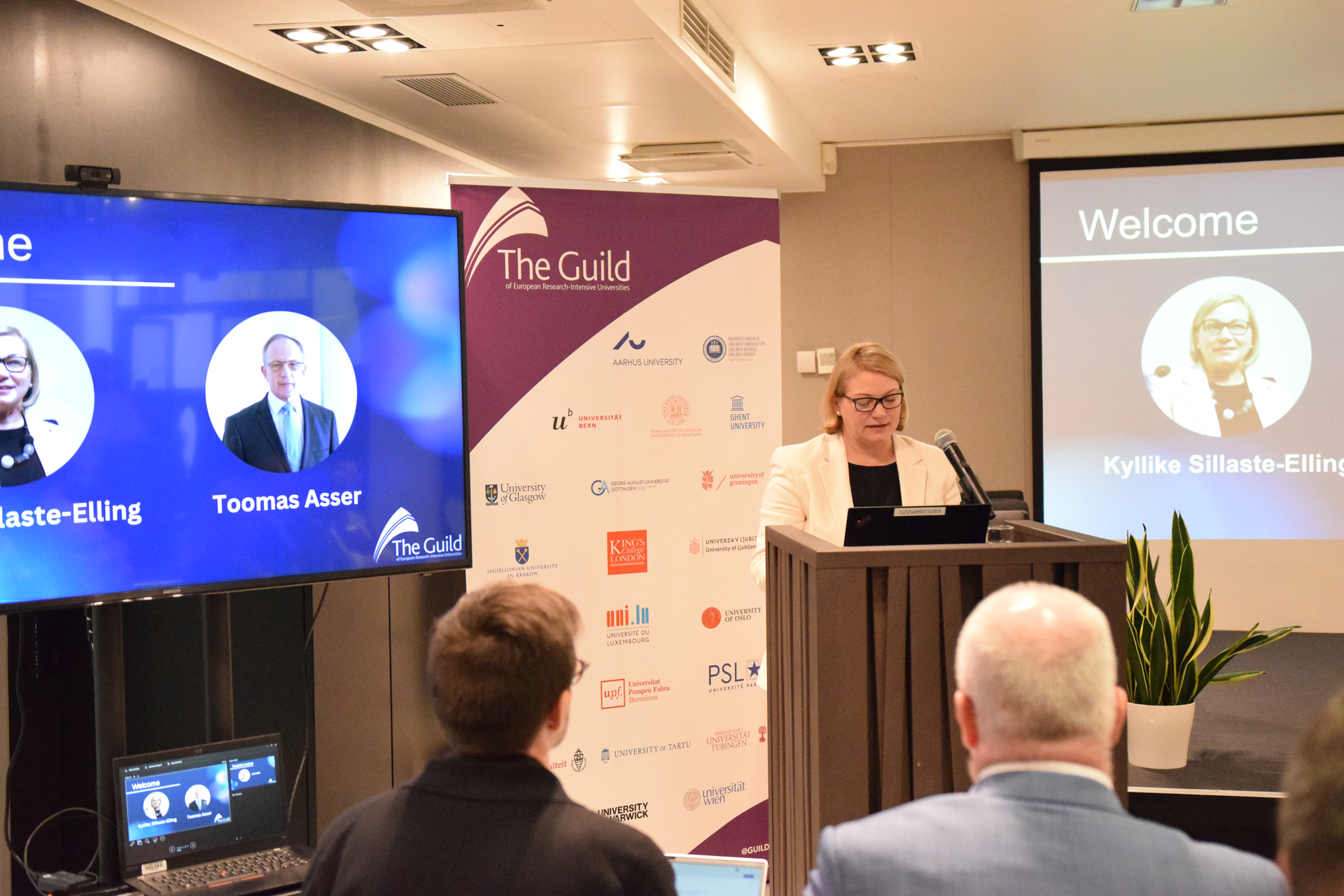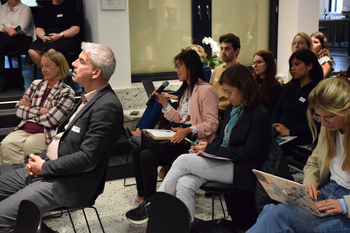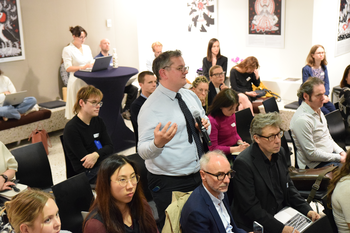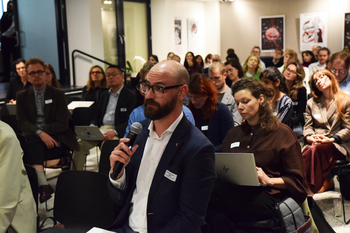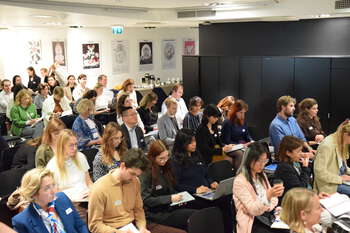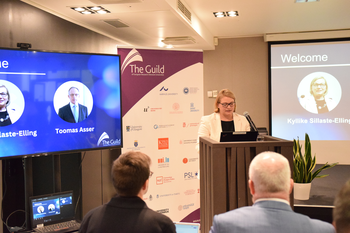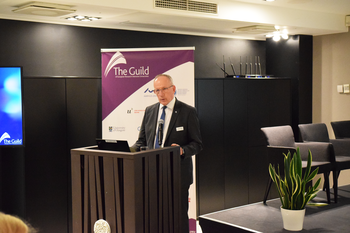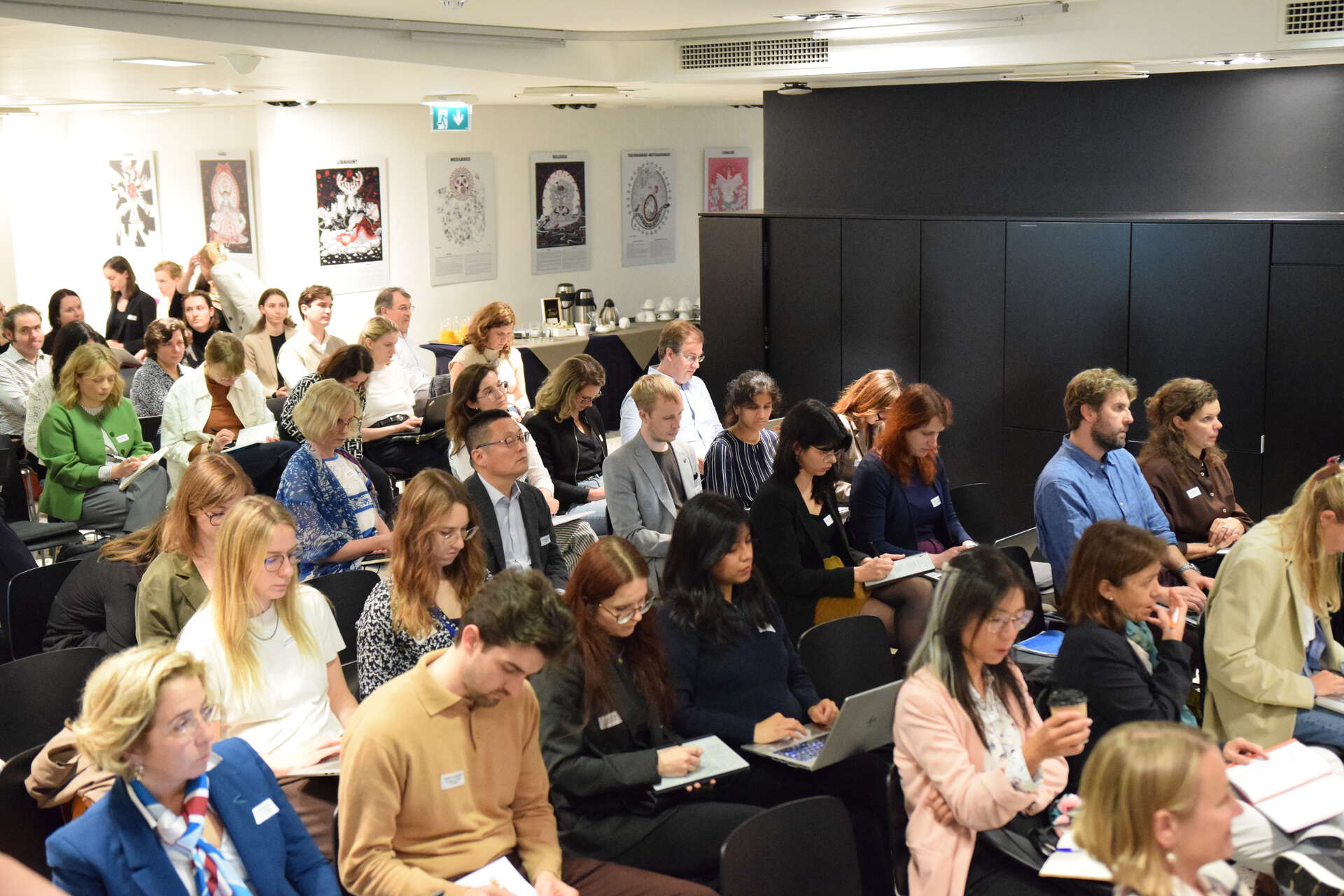
In her opening address Kyllike Sillaste-Elling, Estonian Ambassador and Permanent Representative to the EU, reflected on Estonia’s history and the centrality of freedom to its identity. She underlined that ‘freedom is not free’ and emphasised academic freedom as a pillar of democracy.
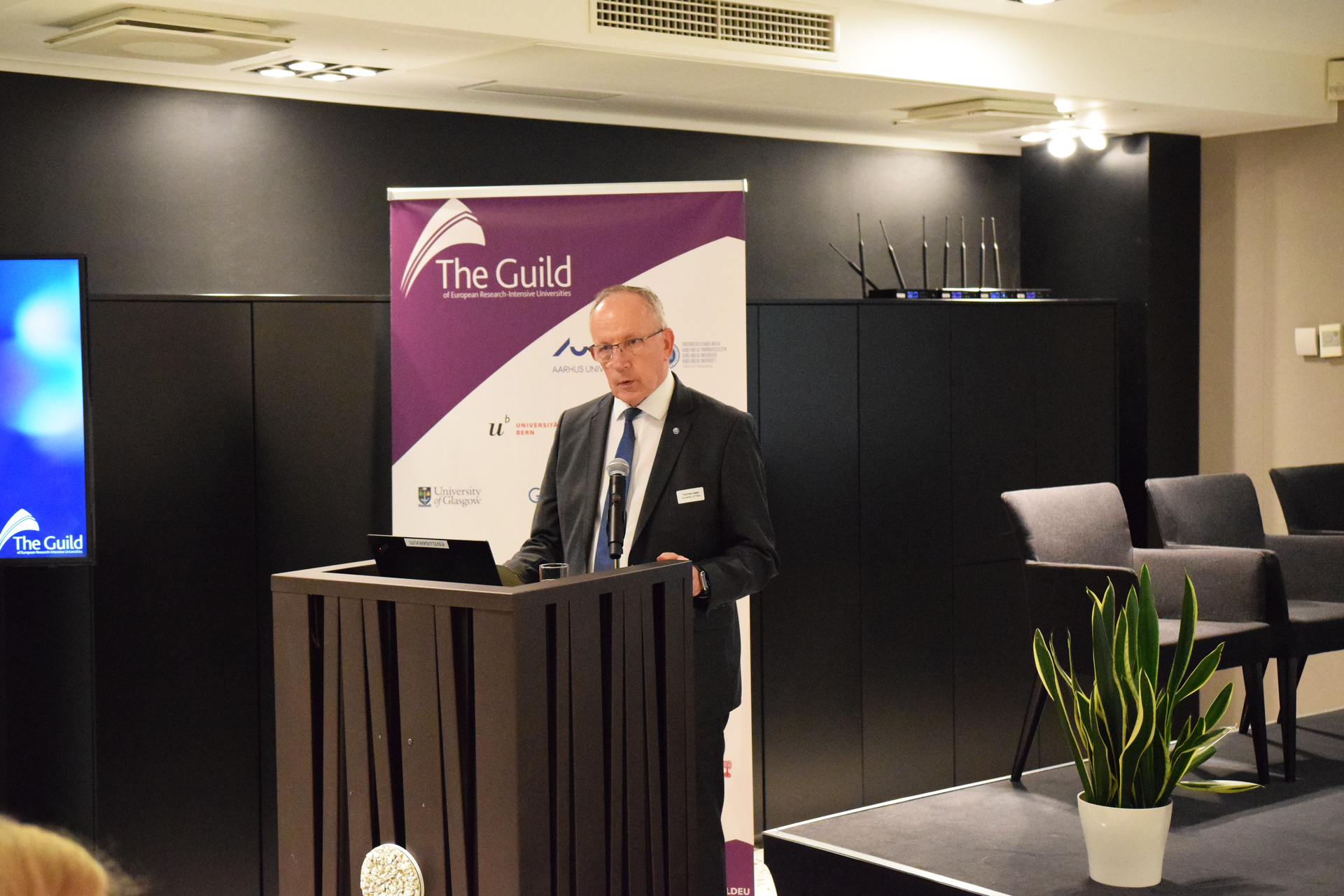
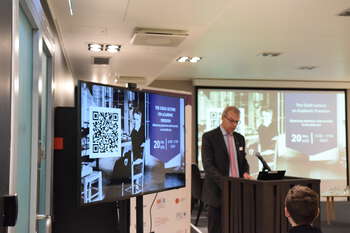
Toomas Asser, Rector of the University of Tartu stressed that academic freedom is foundational to the European Research Area (ERA). He highlighted its links to research collaboration, innovation and competitiveness, urging policymakers to shape the next Framework Programme for R&I (FP10) so that it remains ‘as open as possible and as closed as necessary’.
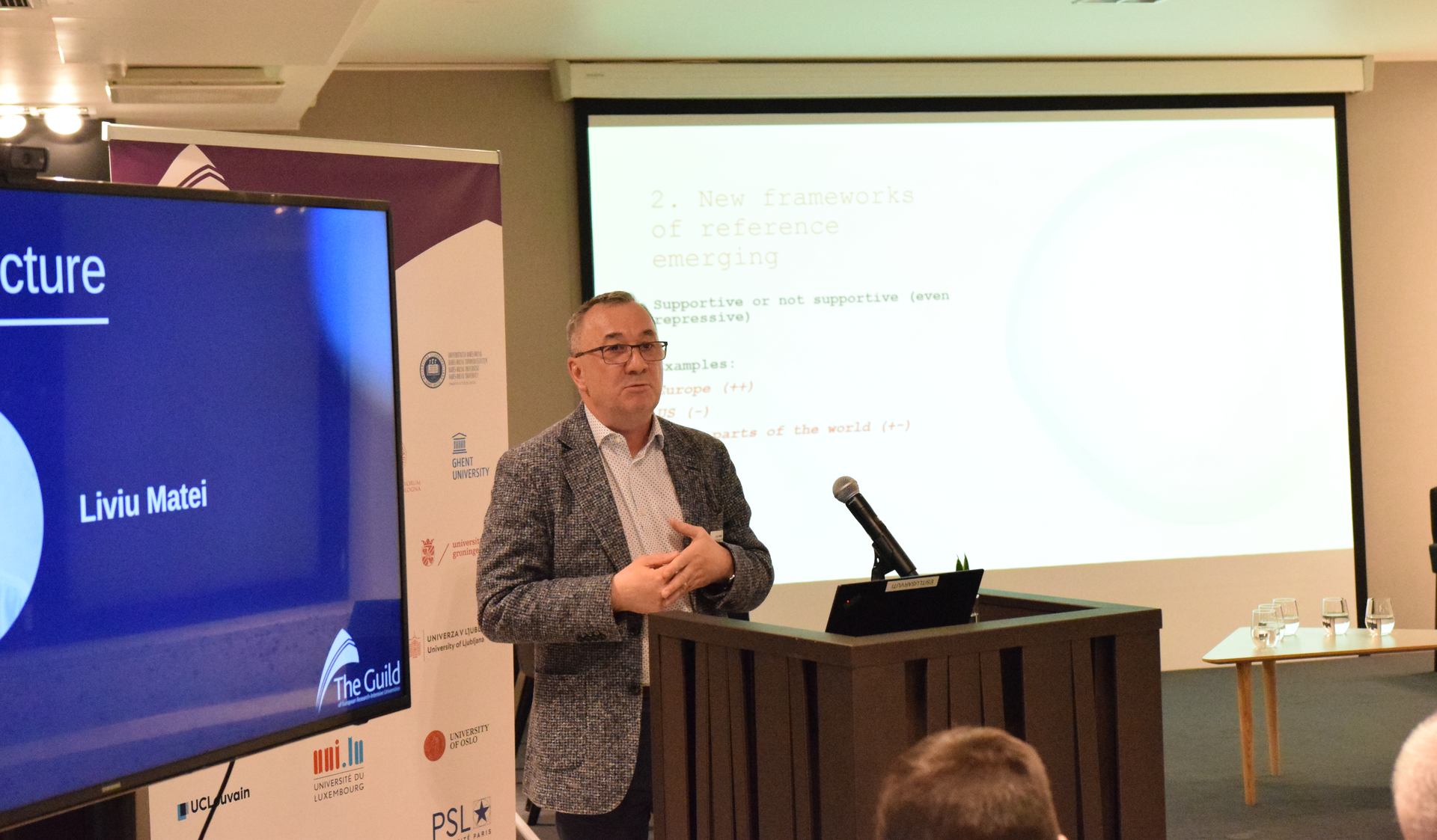
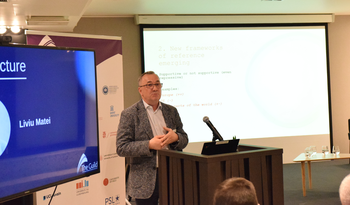
In his keynote address Liviu Matei, Head of the School of Education, Communication & Society at King’s College London and Lead on the Global Observatory on Academic Freedom presented two global trends using data from the Academic Freedom Index 2025, noting both the global decline of academic freedom and Europe's comparatively strong performance. He argued that Europe’s figures stem from emerging frameworks of reference and called on the Commission to ensure the ERA Act includes a complete framework of reference composed of a conceptual reference, elements of codification, implementation and monitoring mechanisms. Moreover, he highlighted the need to build upon existing frameworks of reference. Even if it primarily focuses on the freedom of scientific research, the ERA Act could become one of Europe’s most powerful tools to safeguard academic freedom.
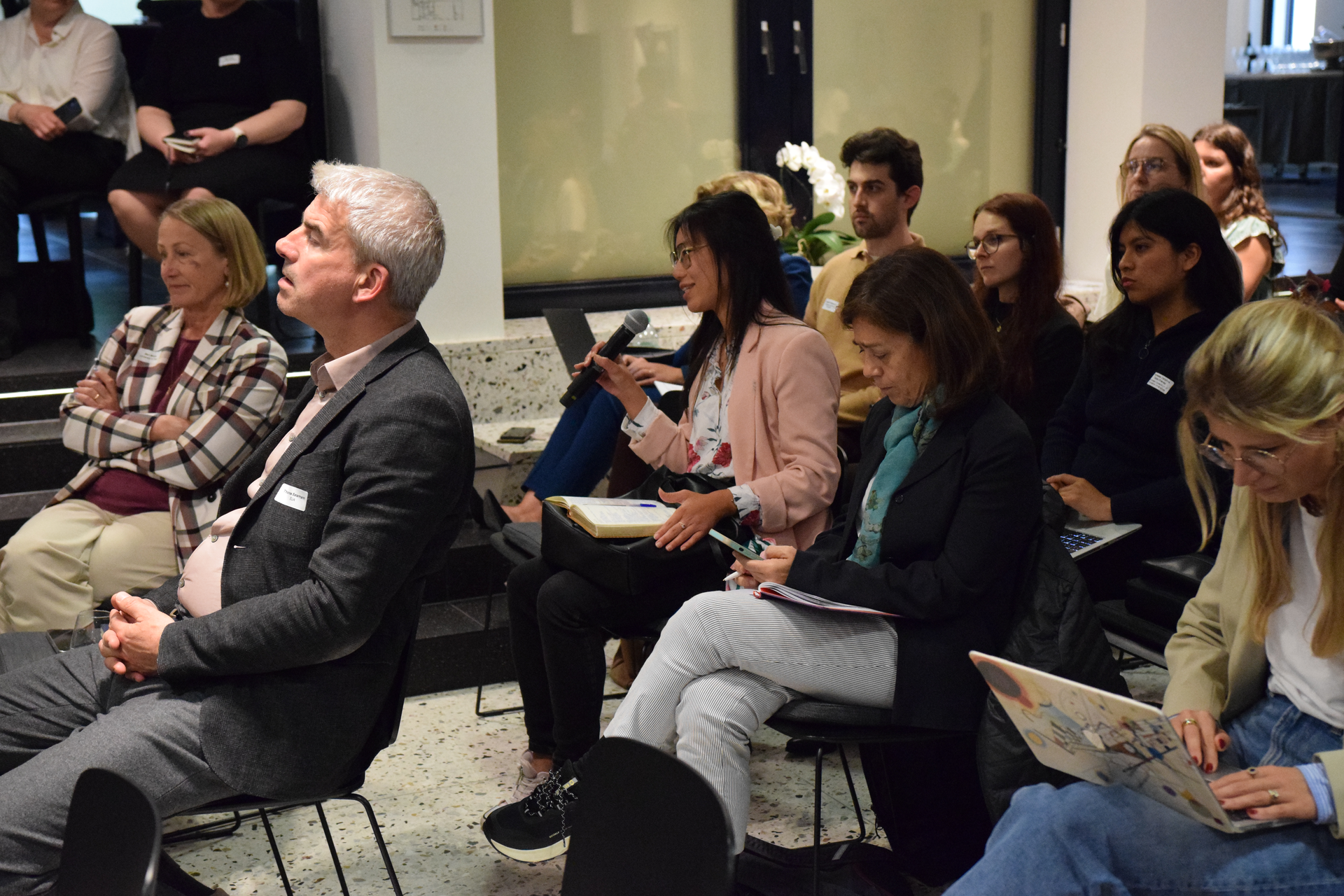
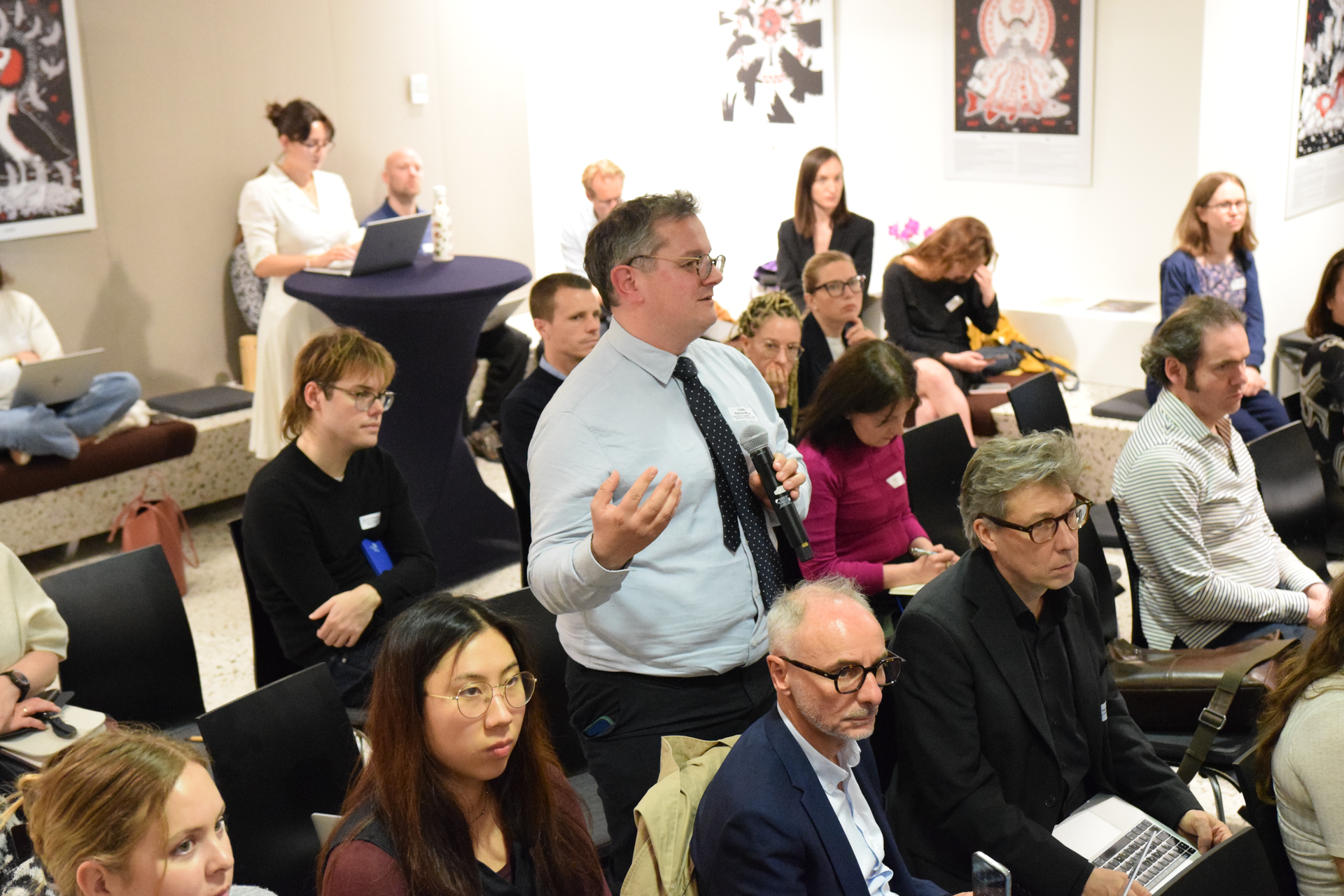
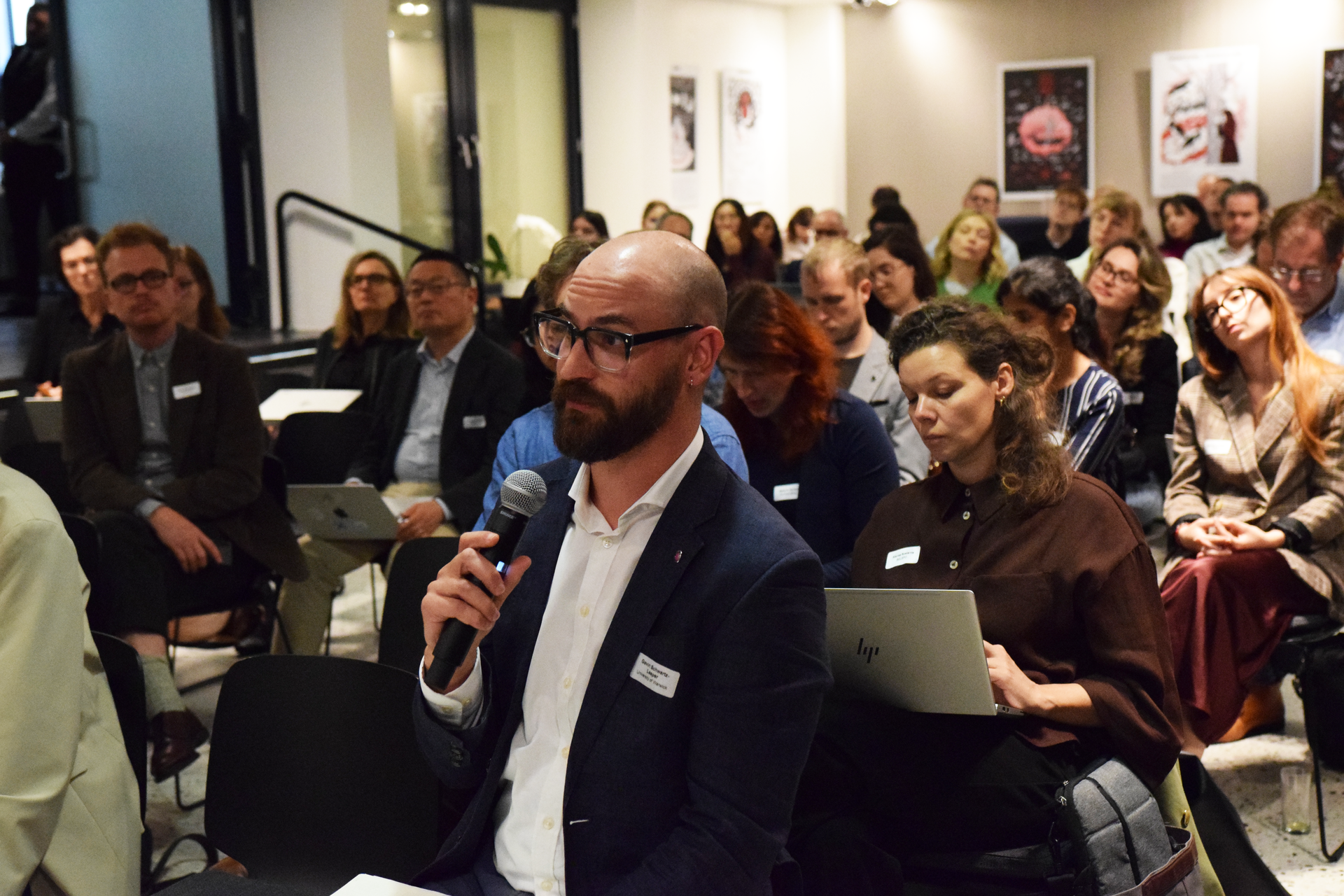
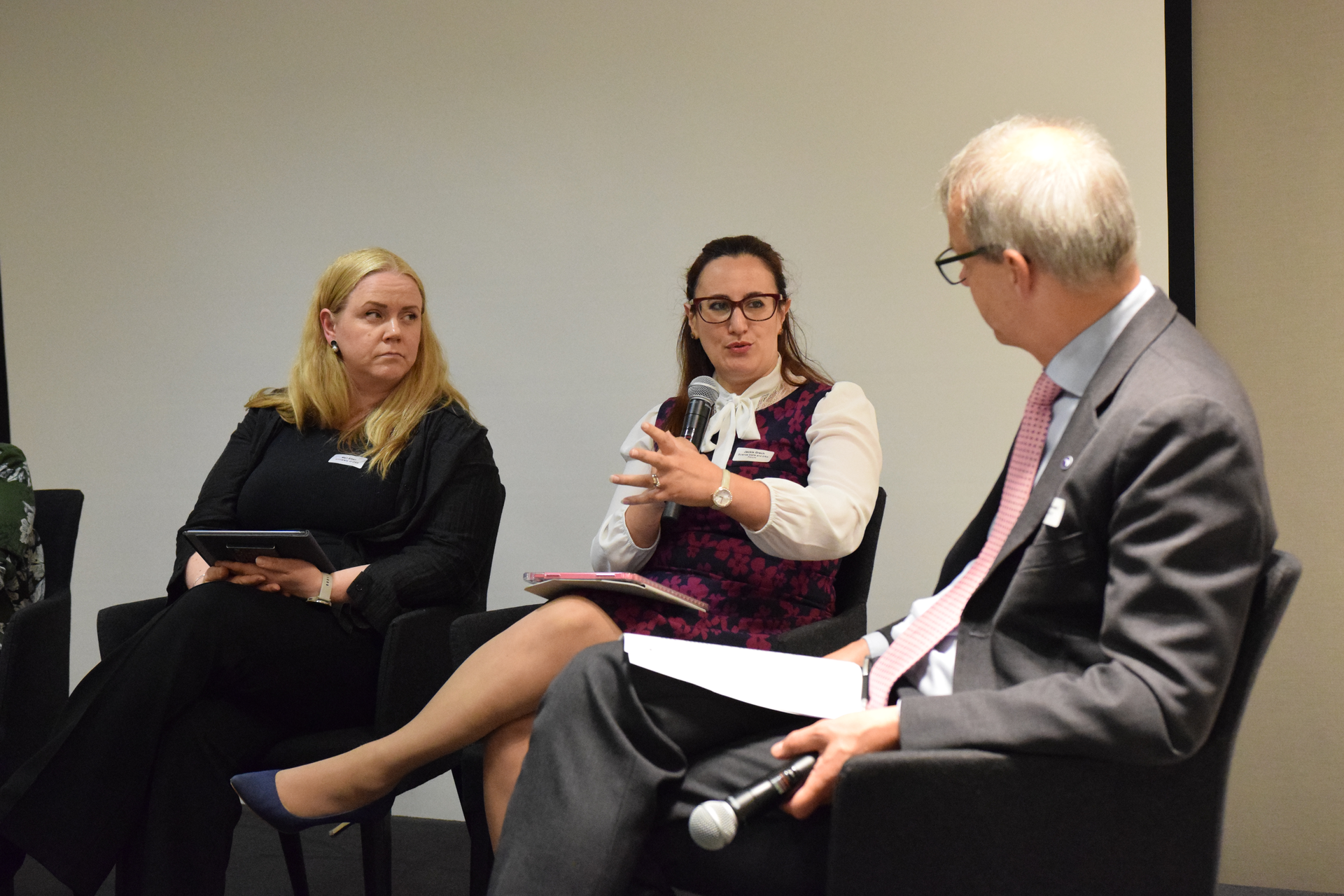
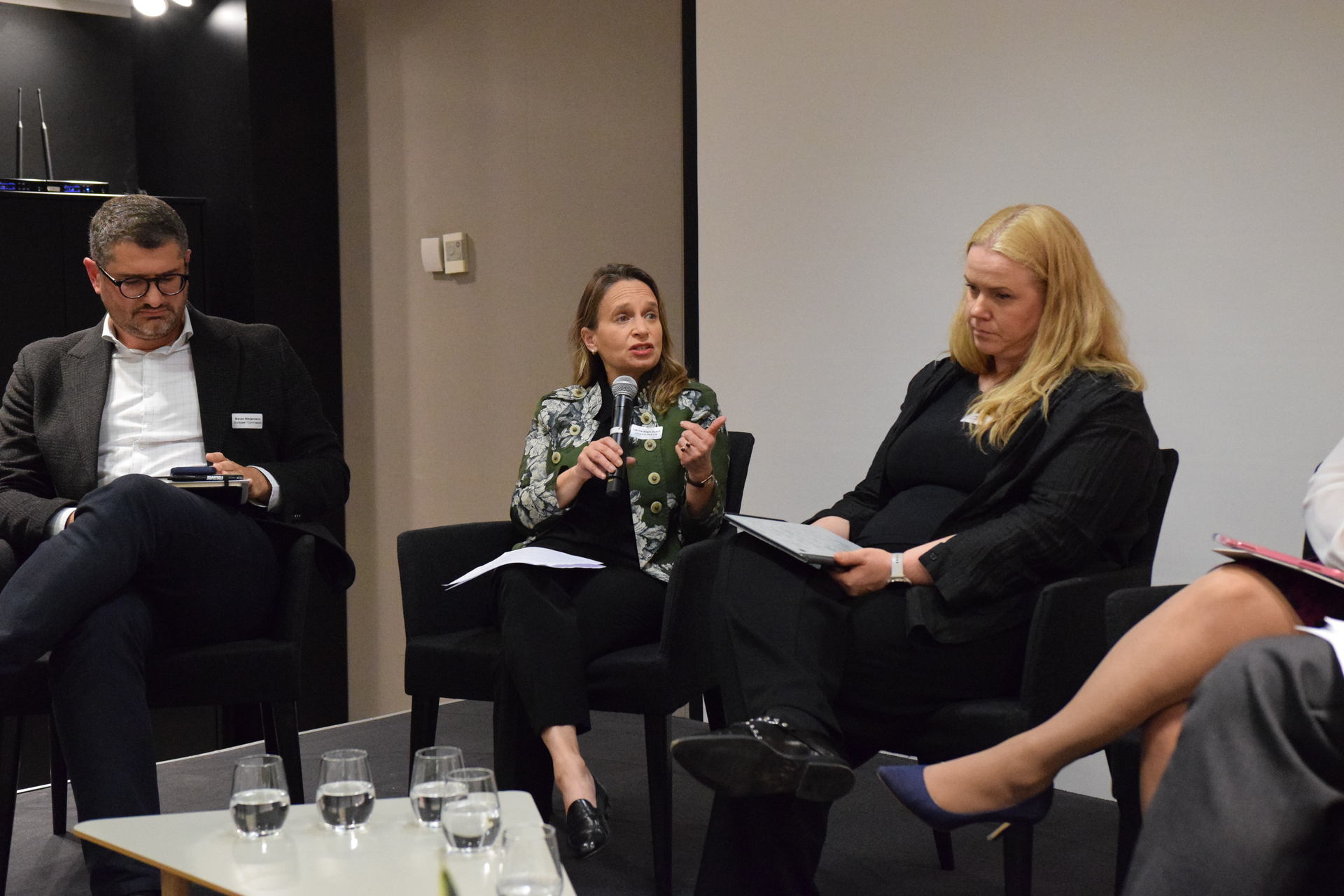
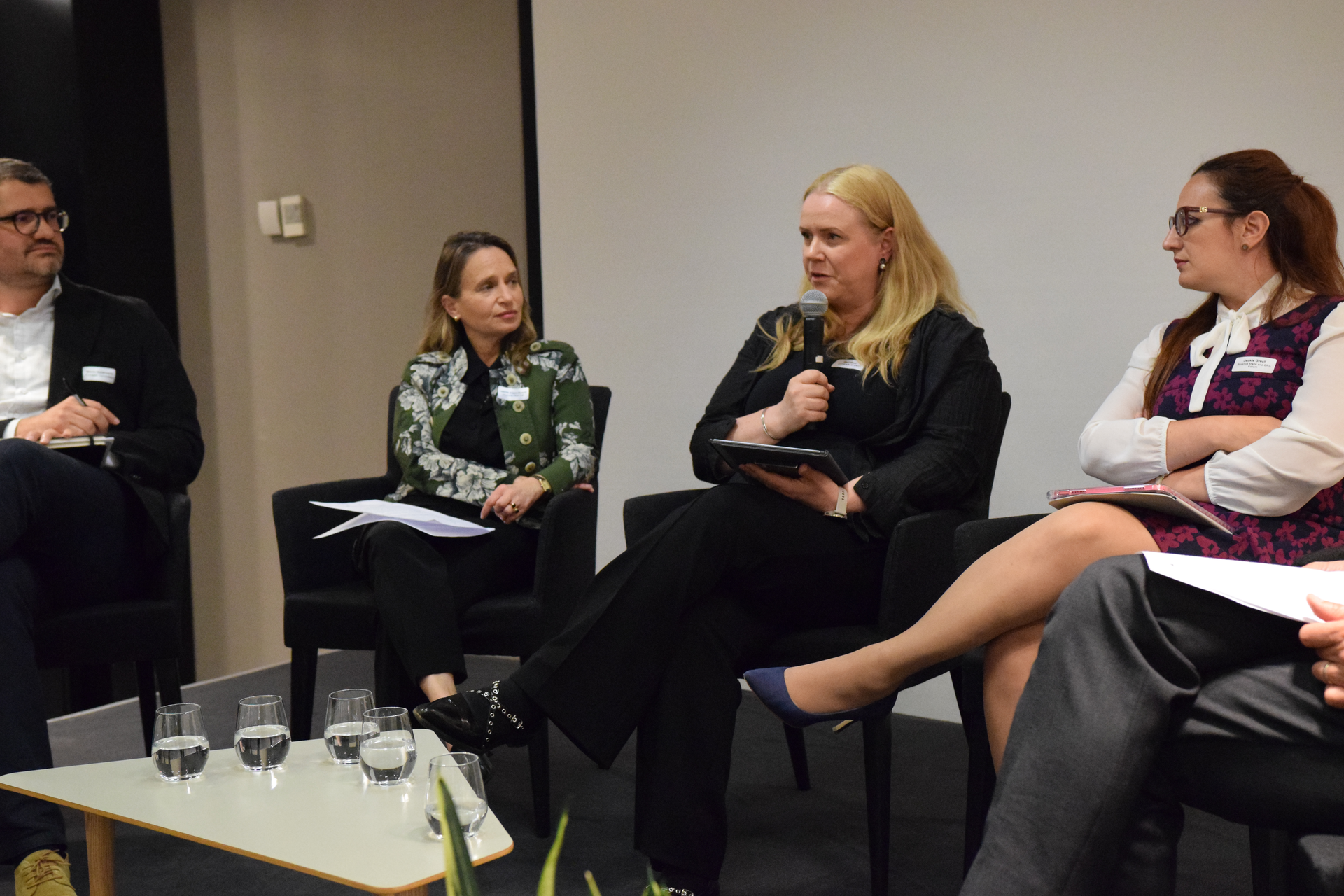
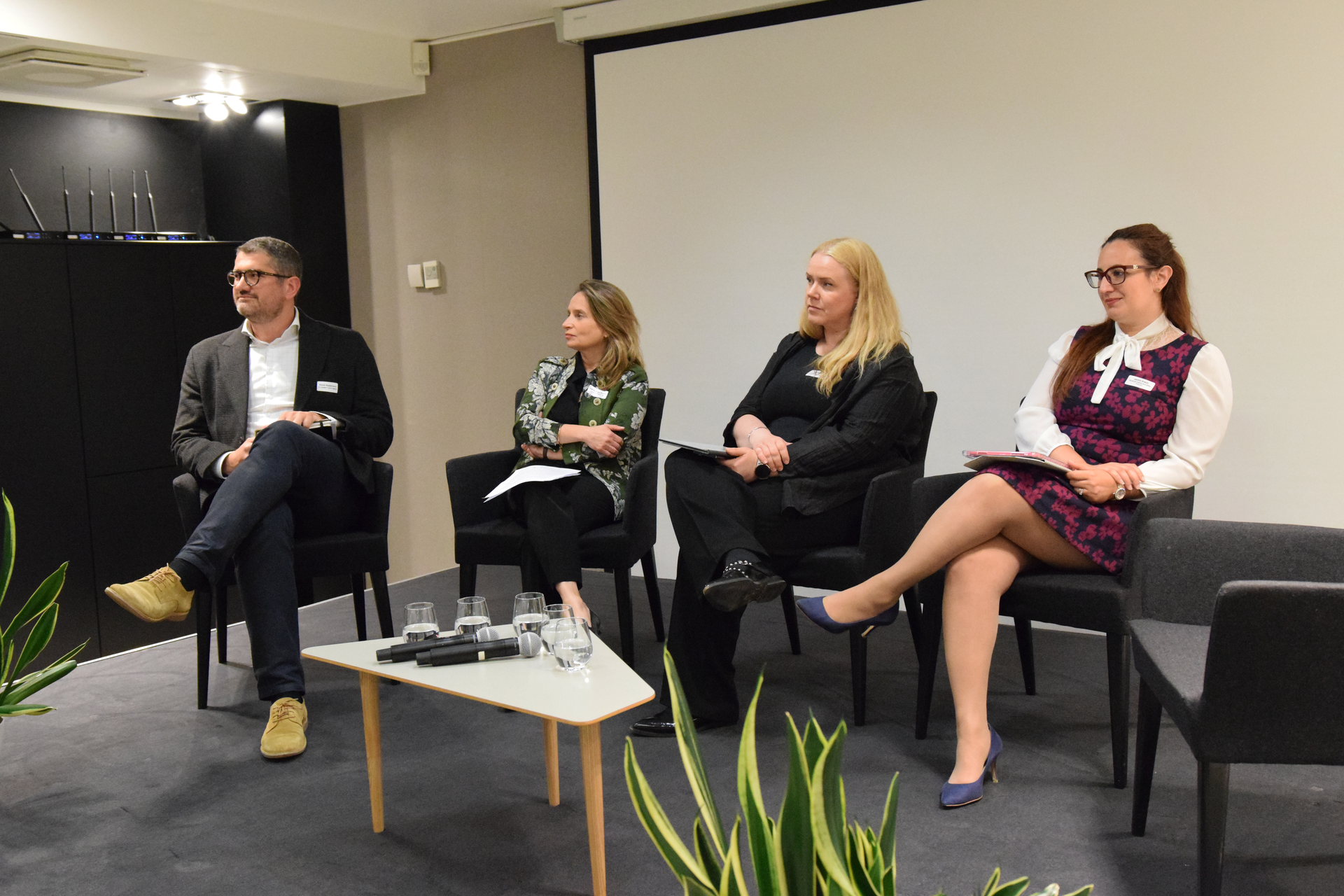
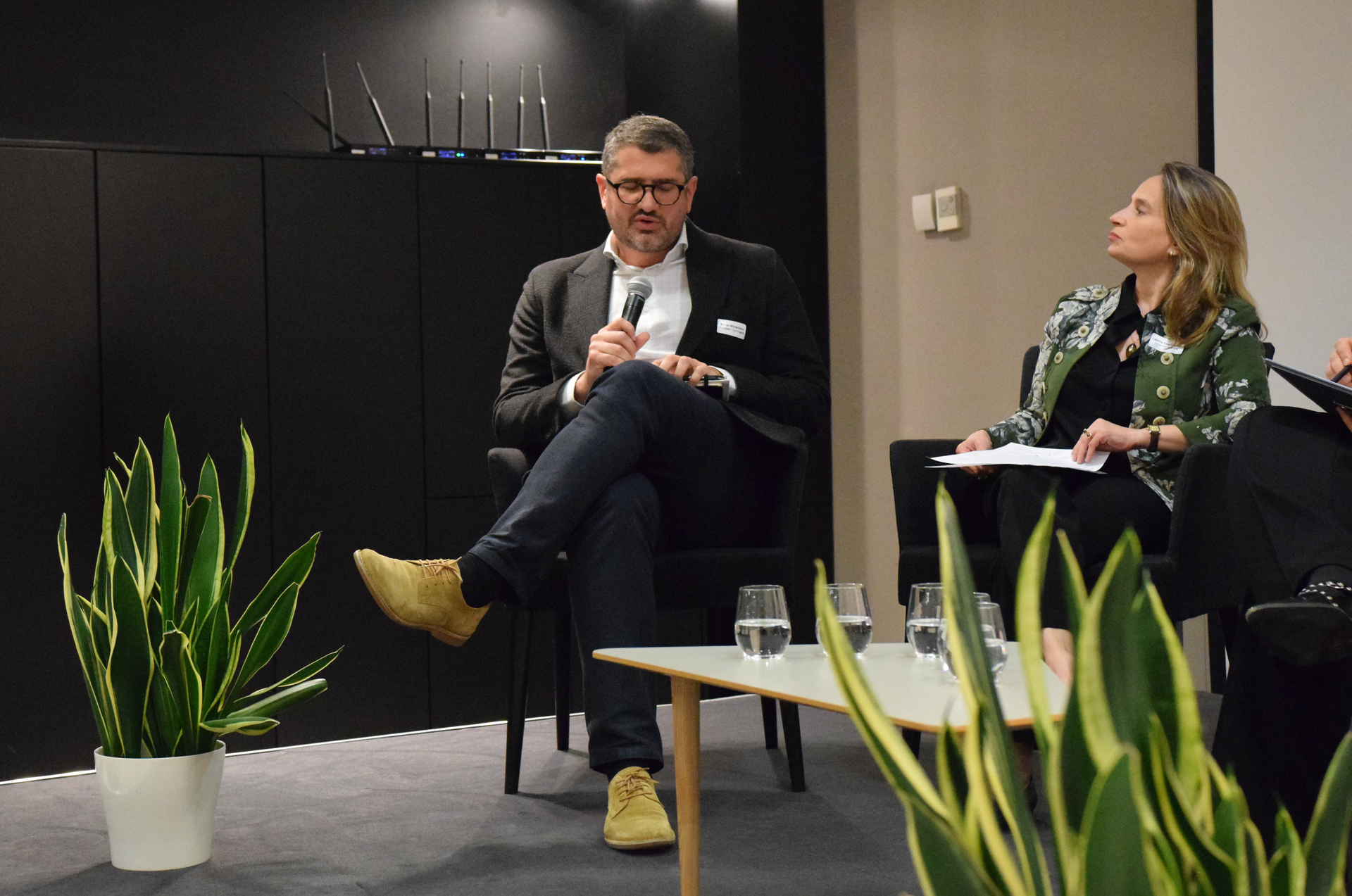
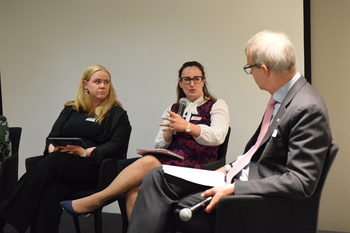
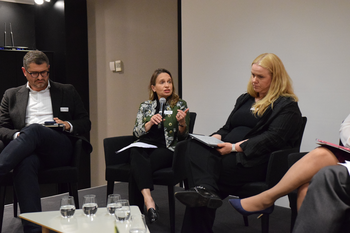
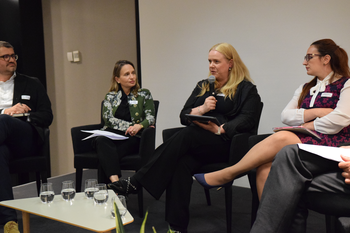
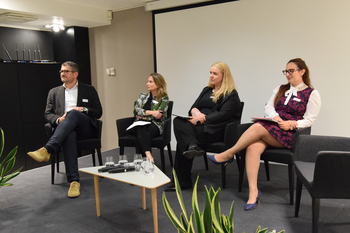
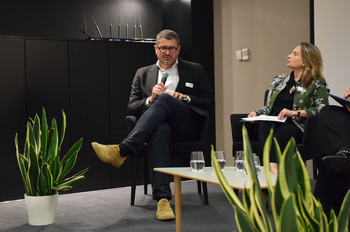
A panel moderated by Secretary-General of The Guild Jan Palmowski featured key voices from academia and EU institutions. Panellists discussed how the upcoming ERA Act should balance academic freedom and research security, highlighting the growing pressures on universities. Slaven Misljencevic (Policy Officer DG RTD, European Commission) explained that the ERA Act aims to establish an EU-level definition of scientific freedom and ‘a minimum baseline for protection’ while also developing enforceability mechanisms. Laëtitia Atlani-Duault (Vice-President, Université Paris Cité) cautioned that ‘good science is not compatible with derisking agendas,’ and stressed that researchers increasingly face personal threats and even weaponised legal actions. Mari Elken (Associate Professor, University of Oslo) underlined universities’ dual role as both protectors and potential violators of academic freedom, adding that uncertainty often leads institutions to over-regulate. Jackie Grech (Deputy Director Strategy and Policy, Xjenza Malta - Science Malta and Co-chair at the ERA Forum) emphasised Member State diversity but reaffirmed that openness must remain the default, with proportional safeguards to promote international cooperation and talent circulation.
Panellists agreed that the ERA Act cannot resolve all tensions but can provide definitions, safeguards, and capacity-building. They also pointed out the need for adequate funding, legal support for threatened academics, and long-term cultural change.
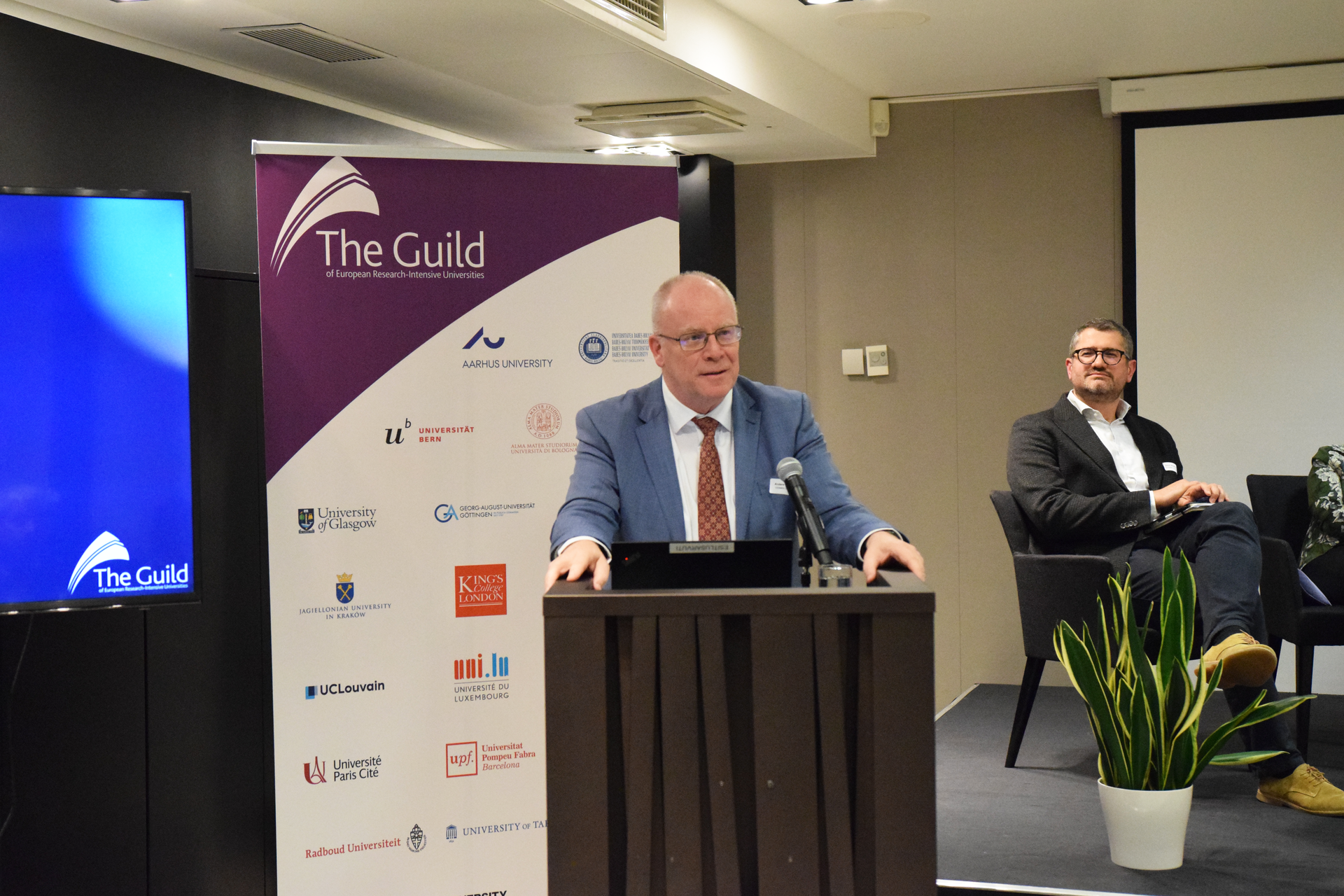
In his concluding remarks Anders Hagfeldt, Vice-Chancellor of Uppsala University, emphasised the importance of academic freedom at this particular moment in Europe and around the world, recognising that on the EU’s borders, institutional autonomy was under attack in Serbia, with academic freedom also under severe pressure in Georgia. He recognised the need for common standards on research security, but underlined that any restrictions should not be disproportionate, as the emphasis had to remain on open collaboration.
© The Guild of European Research-Intensive Universities