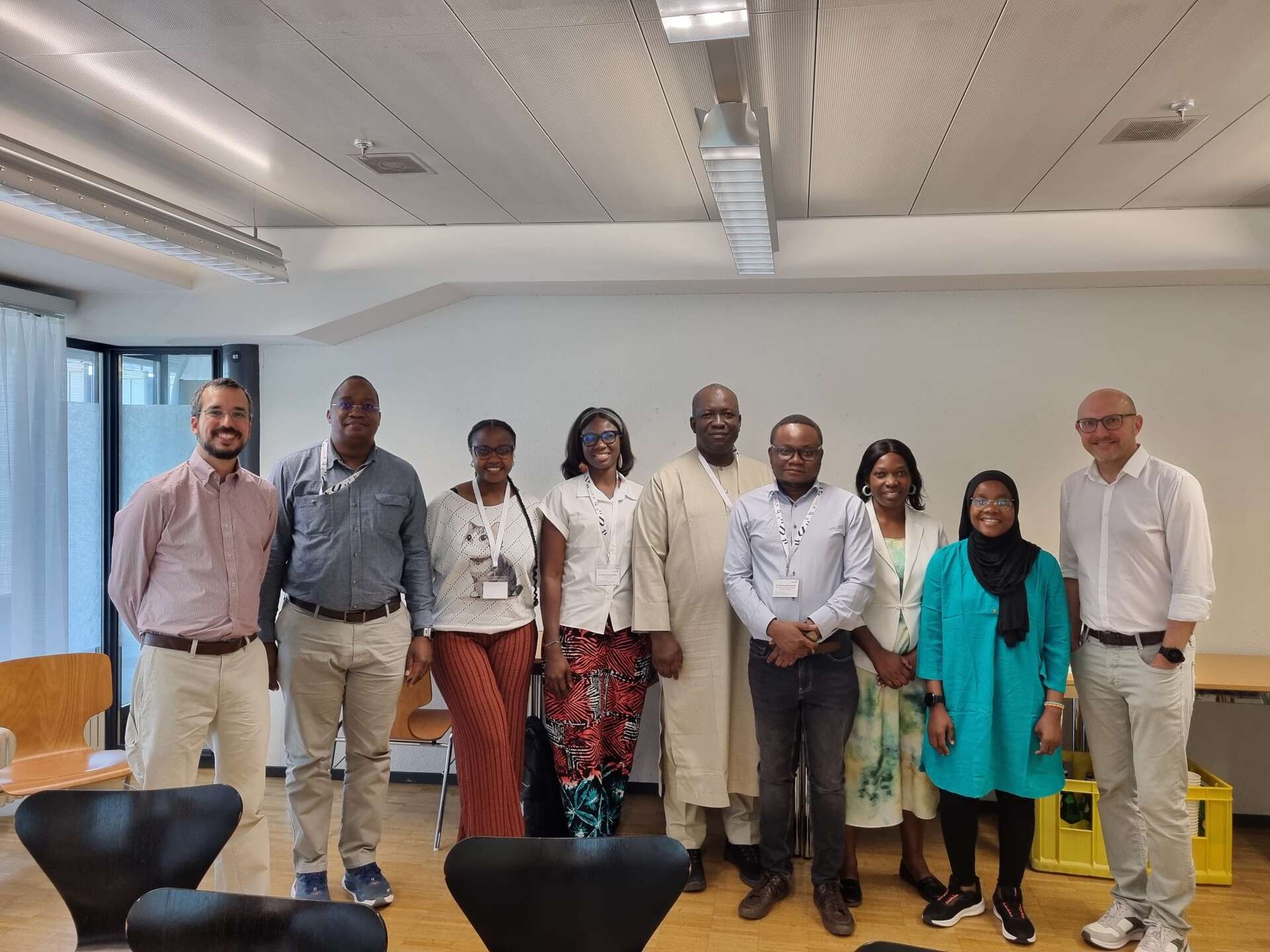
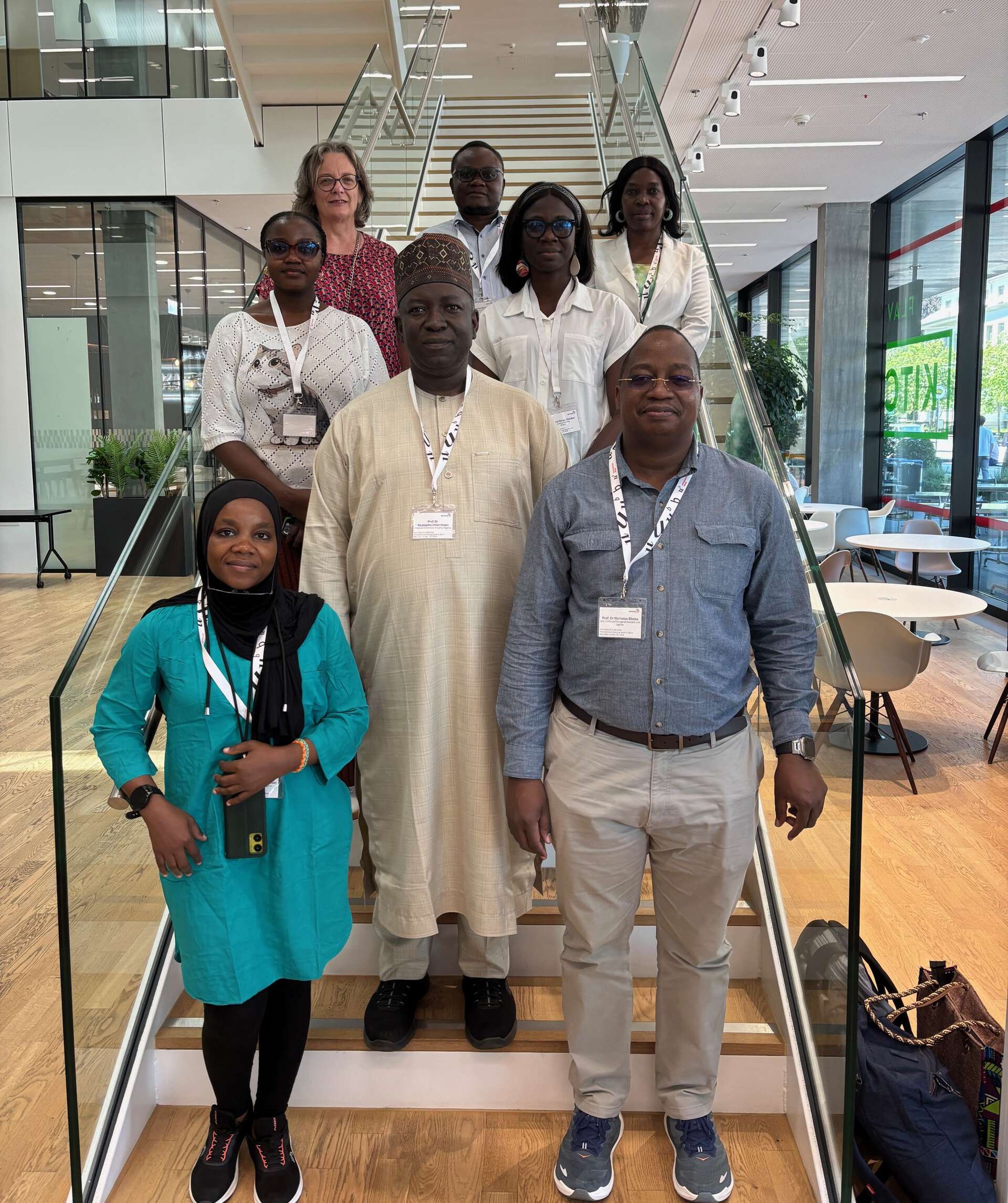
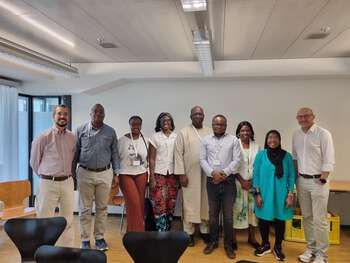
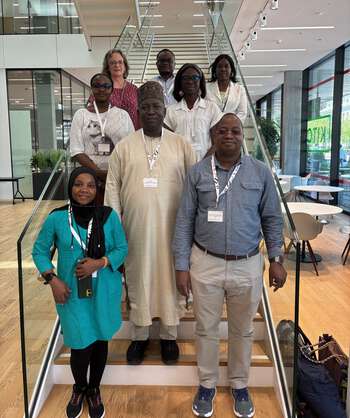
Earlier this year, we announced that these seven researchers had begun their placements as part of a fellowship programme under the Team Europe Initiative on manufacturing and access to vaccines, medicines and health technologies in Africa initiative. The programme is jointly led by The Guild, the African Research Universities Alliance (ARUA) and Enabel, and has received technical support from Africa CDC and is funded by the Belgian government within the broader Team Europe approach.
The fellowship aims to build Africa's capacity in translational research and vaccine development, responding to the urgent need for African-led solutions to emerging and re-emerging infectious diseases.
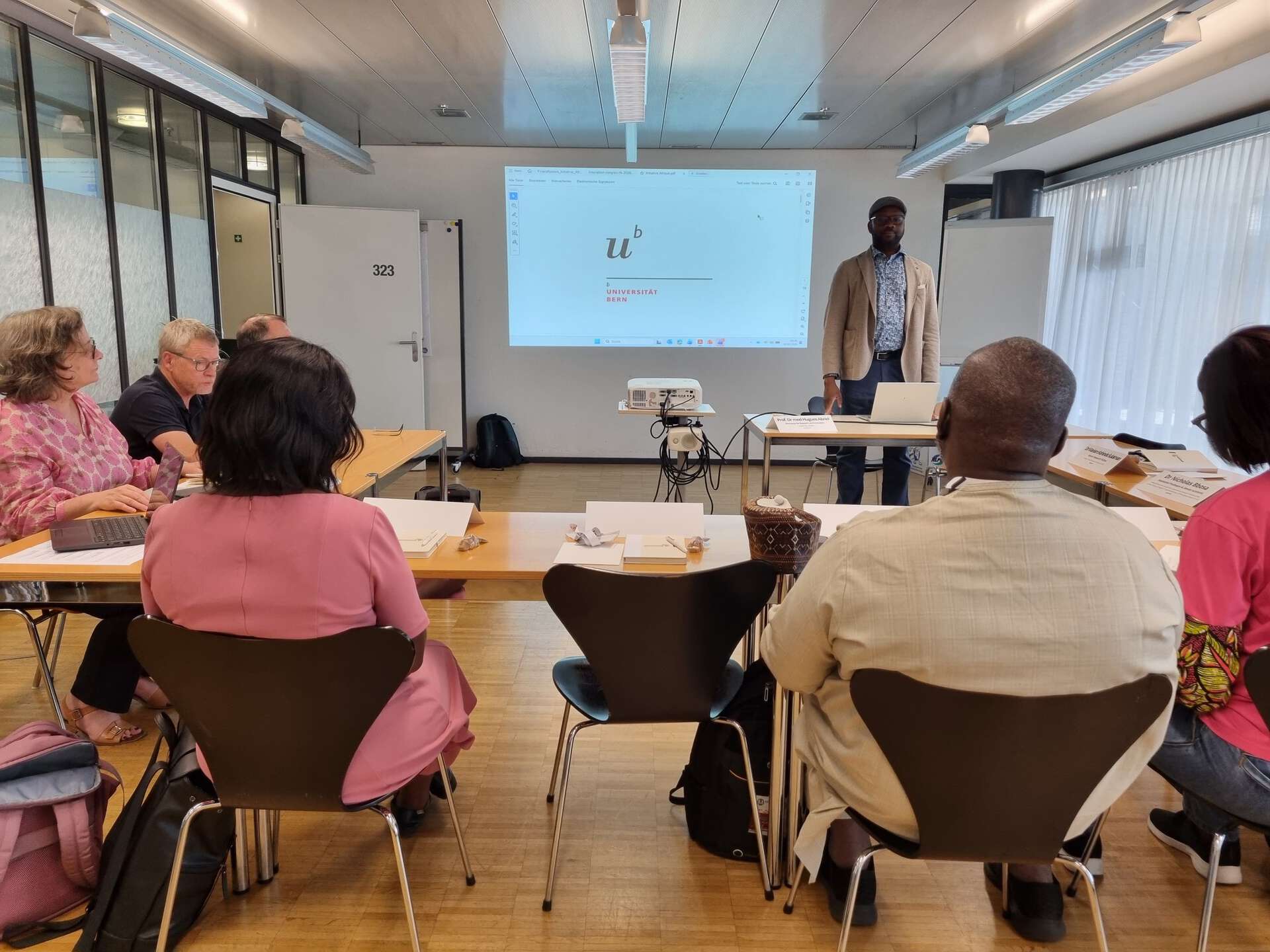
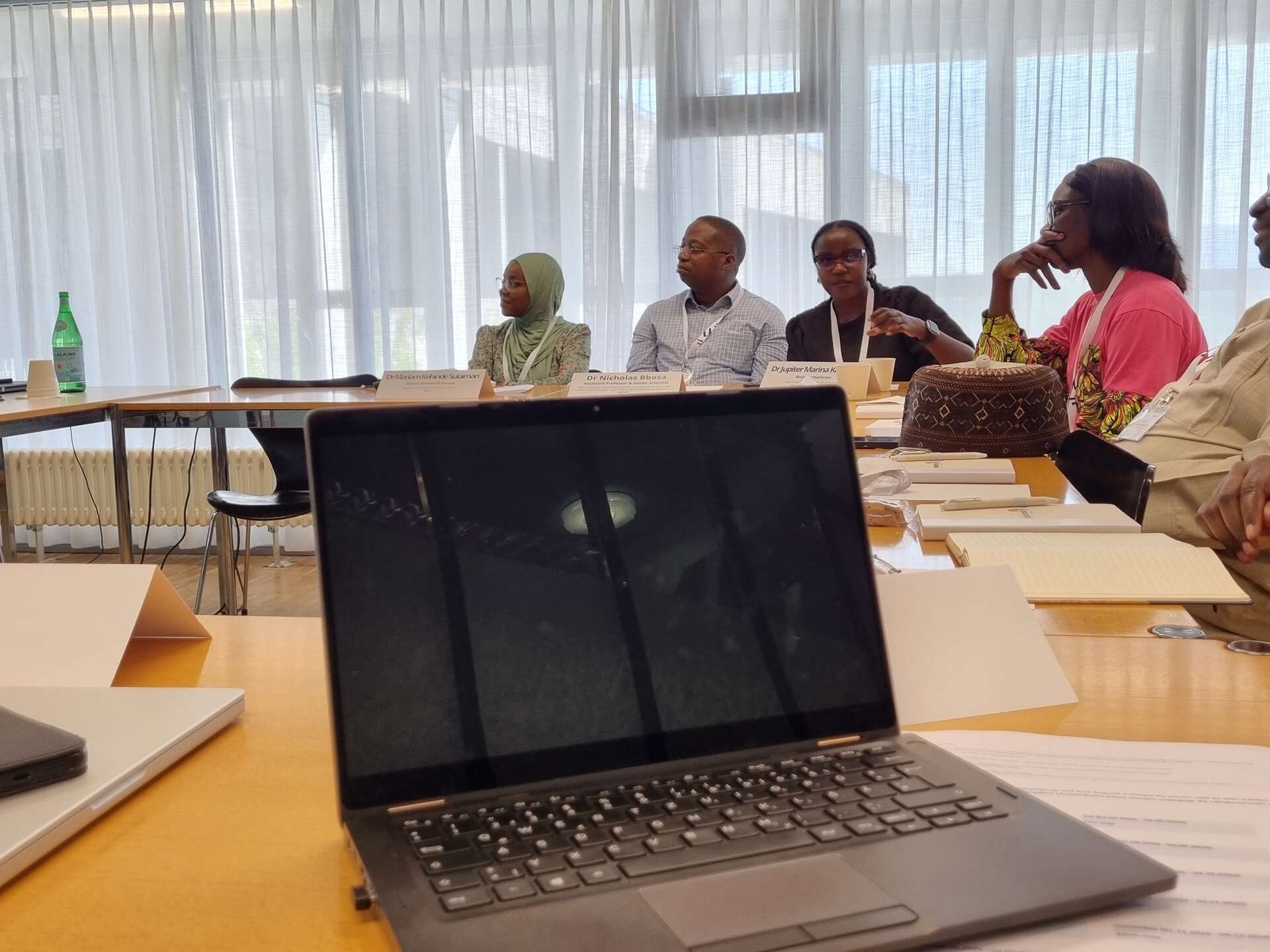
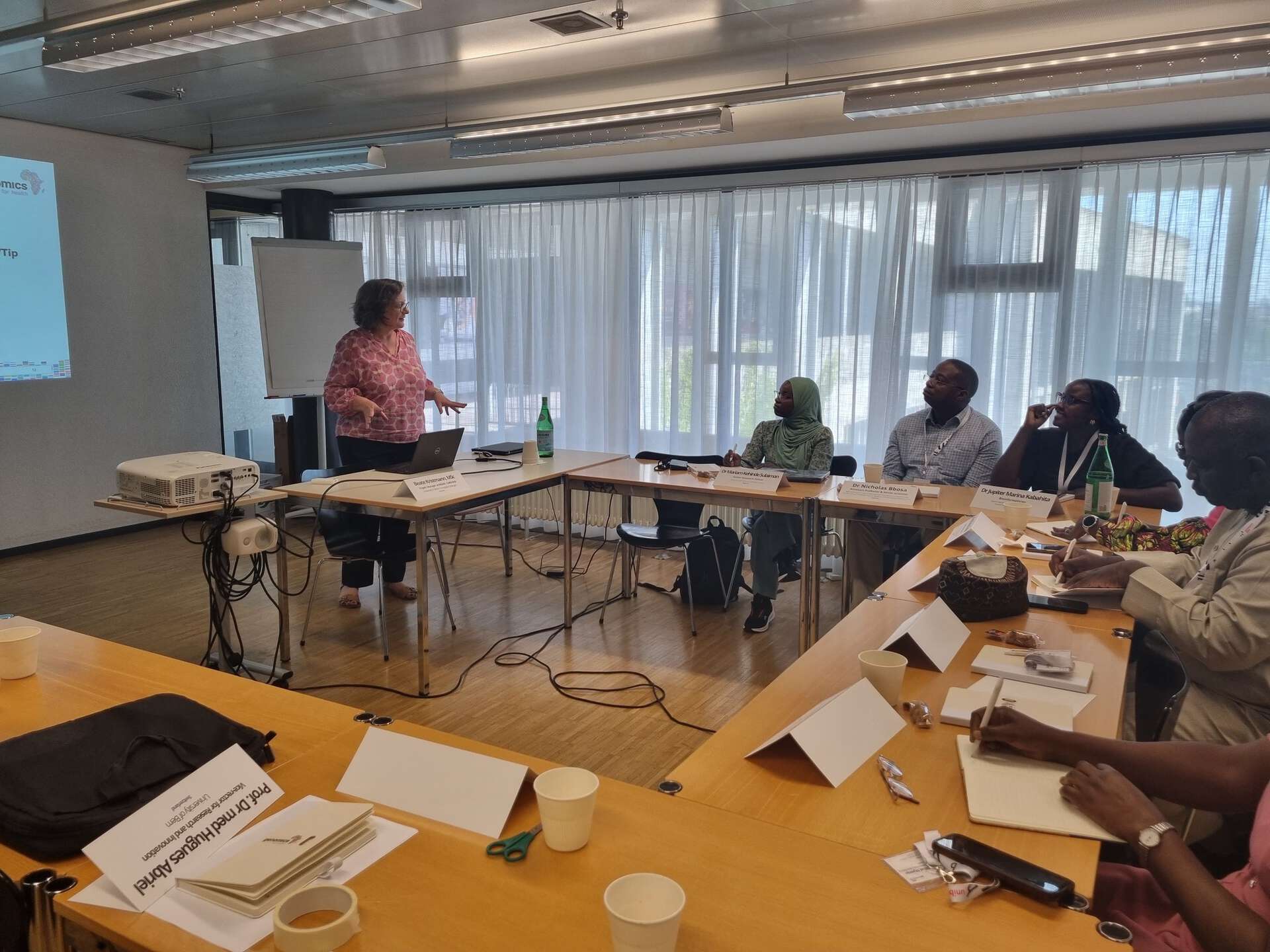
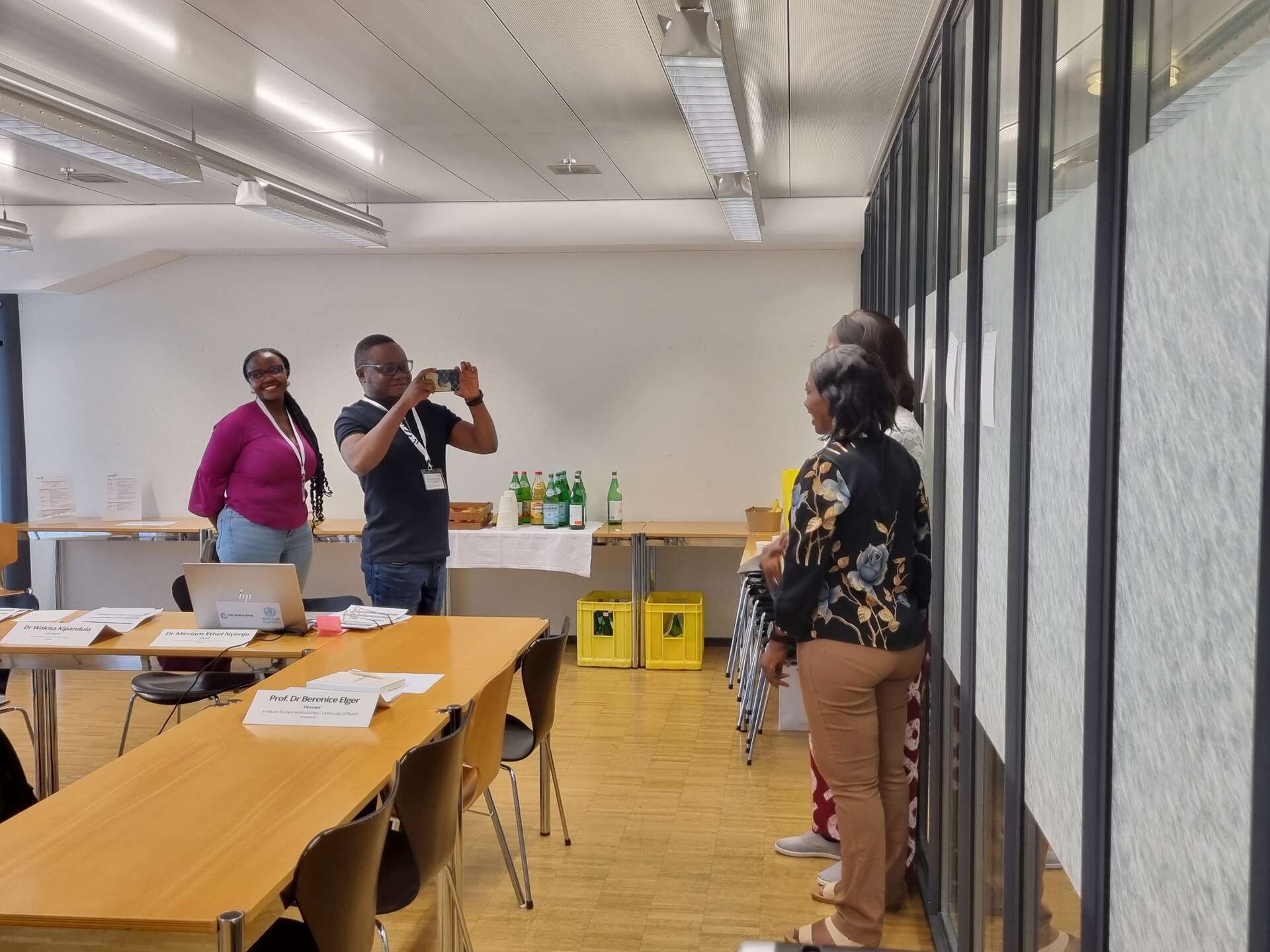
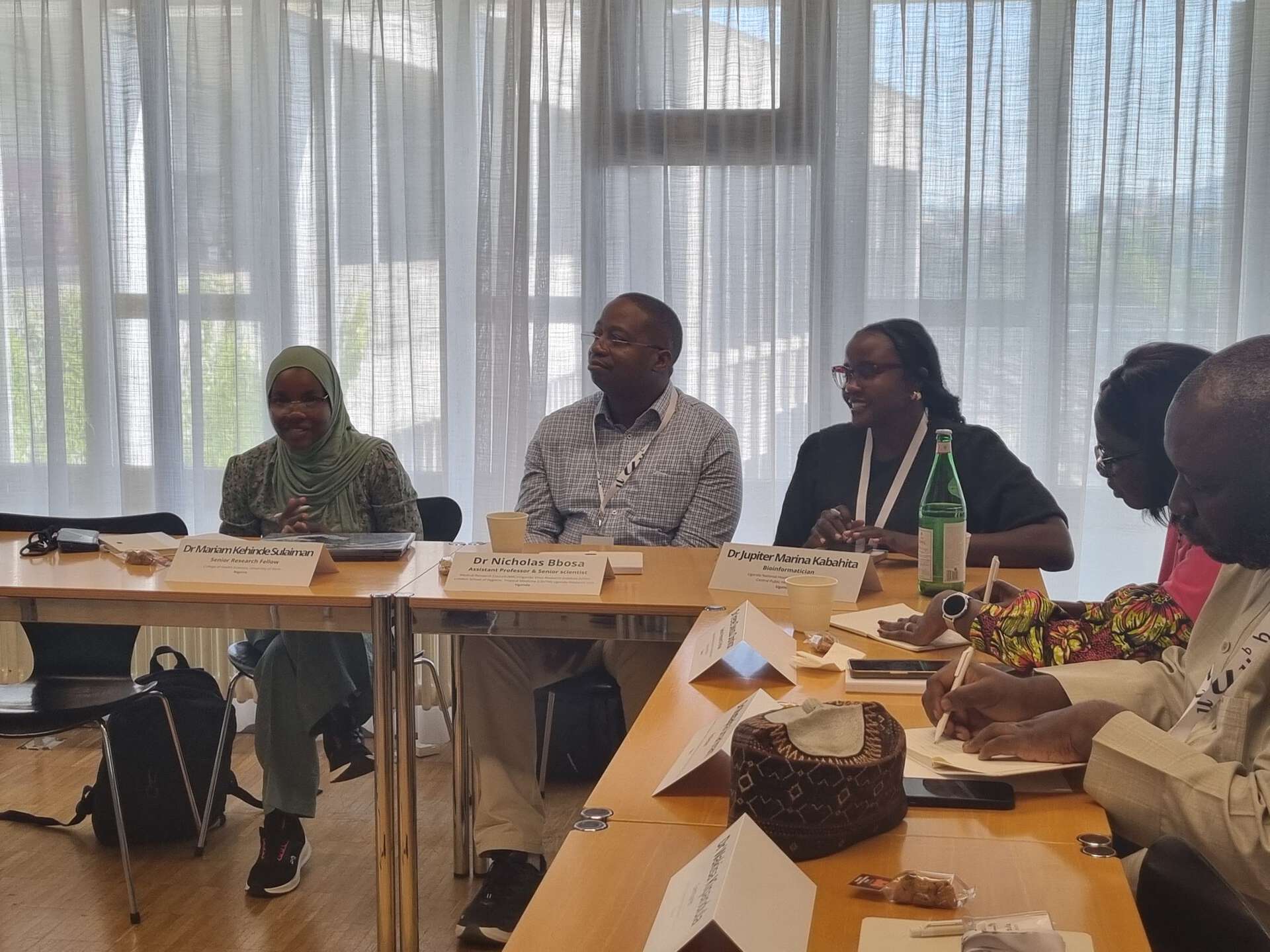
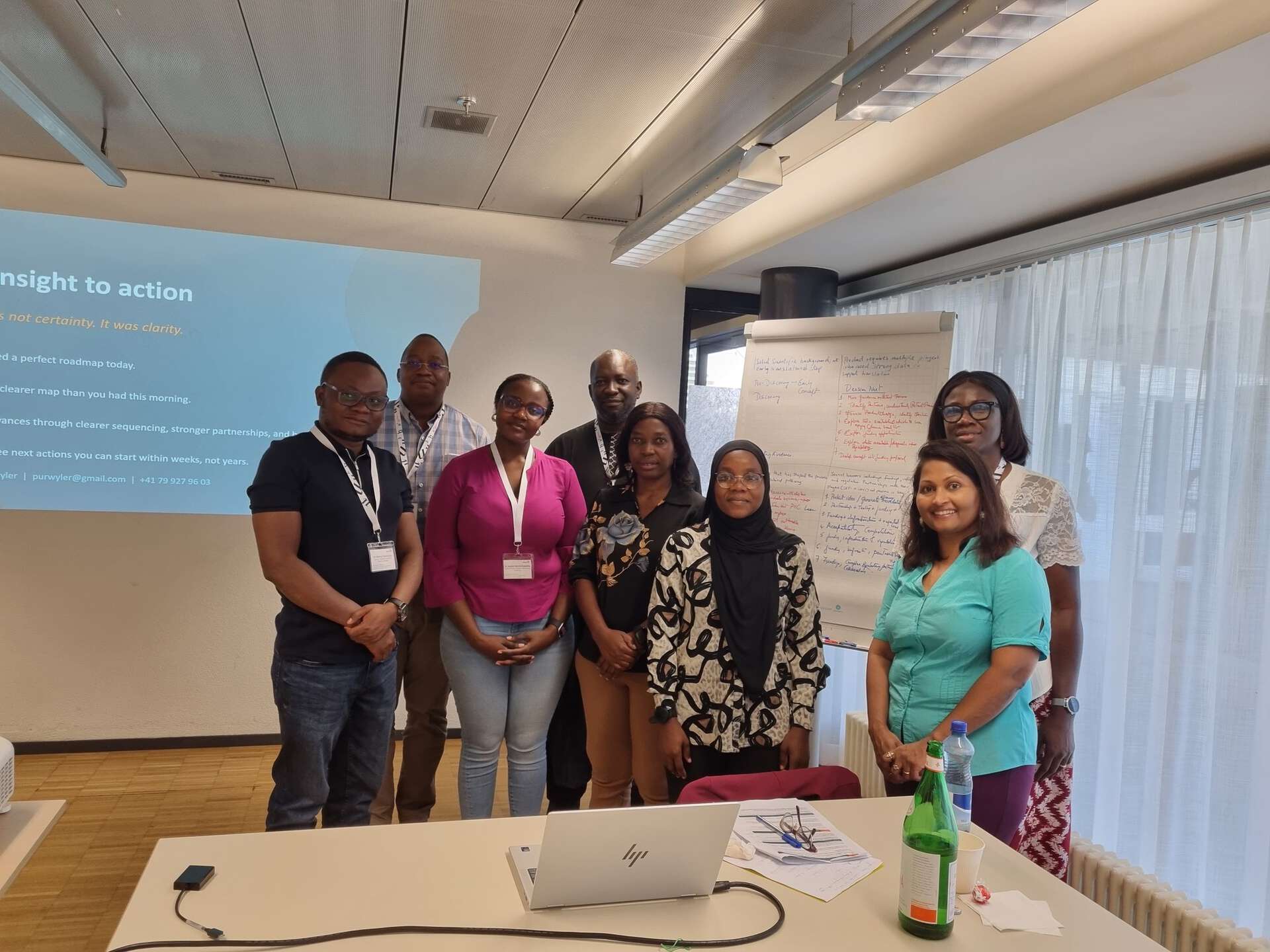
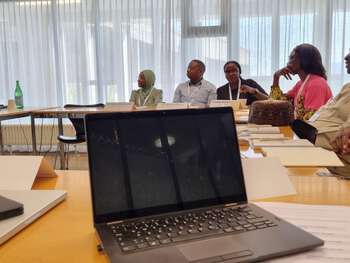
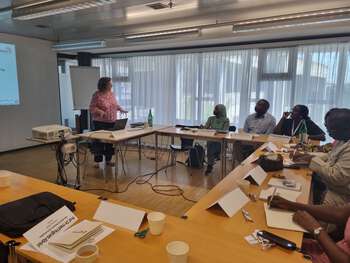
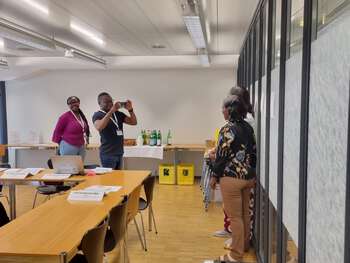
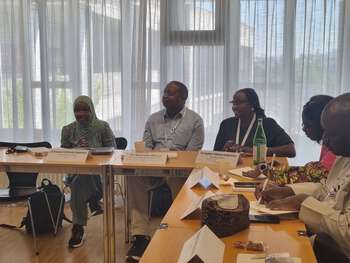
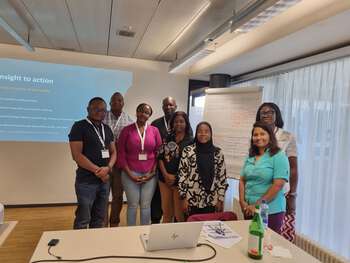
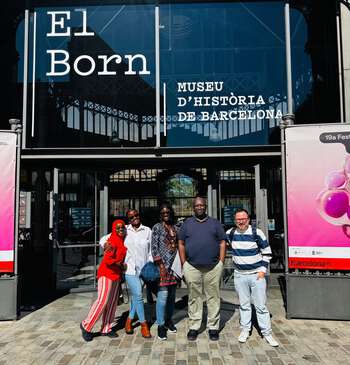
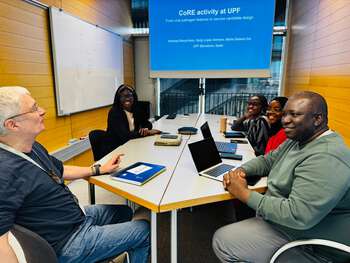
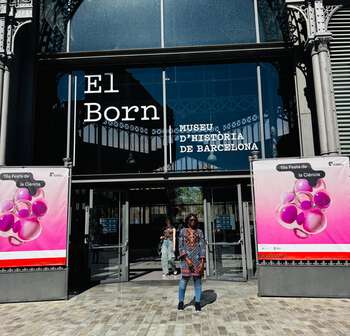
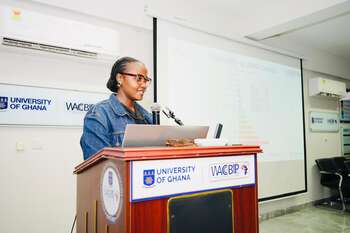
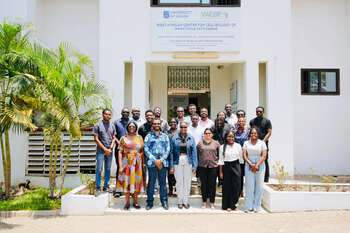
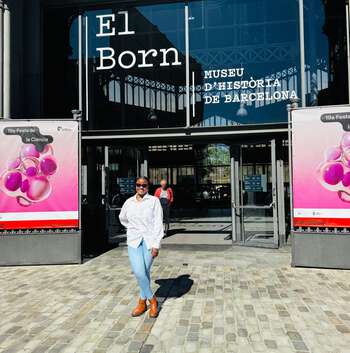
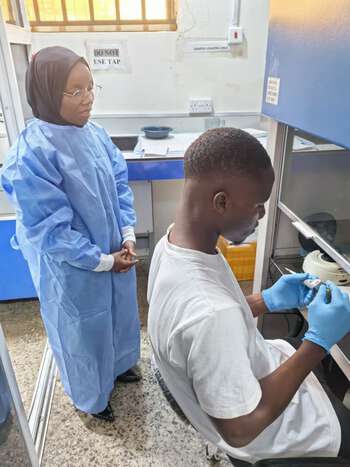
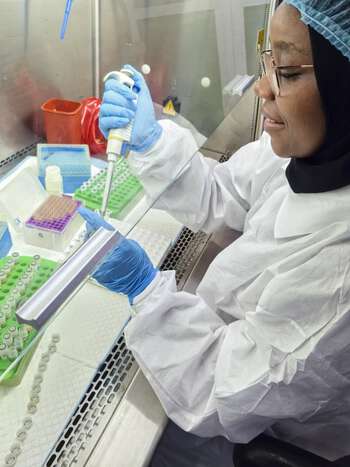
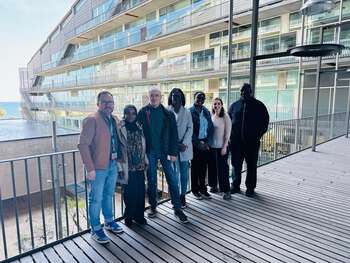
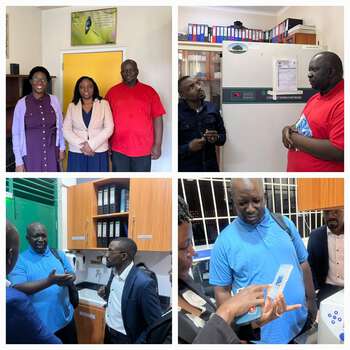
The first cohort took part in a mobility scheme consisting of multiple short research stays, ranging from a week to six weeks at host institutions across Europe and Africa. Each fellow went on a bespoke journey to different universities, including the University of Ghana, the University of Ibadan, Makerere University, University of Bern, Radboud University Medical Centre, University of Glasgow, and Universitat Pompeu Fabra. At the University of Bern, a concluding training week brought the whole cohort together to participate in several workshops on the fundamentals of translational research in diagnostics, surveillance and vaccine development.
We sat down with each fellow to hear about their insights, challenges and benefits. Explore their journeys below:
- Nicholas Bbosa, Uganda Virus Research Institute (UVRI), Uganda
- Research focus: Developing a therapeutic vaccine candidate for mpox
- Irene Owusu Donkor, University of Ghana
- Research focus: Developing an early warning system for mpox outbreaks
- Mustapha Umar Imam, Federal University of Lafia, Nigeria
- Research focus: Developing a preventative mRNA vaccine candidate for Lassa fever
- Jupiter Marina Kabahita, Uganda National Health Laboratory Services
- Research focus: Proteome conservation analysis to identify mpox specific vaccine targets
- Wakisa Kipandula, Kamuzu University of Health Sciences, Malawi
- Research focus: Rapid test suitable for precise diagnosis of mpox in remote settings
- Mirriam Ethel Nyenje, Public Health Institute of Malawi
- Research focus: Developing new public health surveillance tools that can triage infections outside of Malawi’s centralised labs
- Mariam Kehinde Sulaiman, University of Ilorin, Nigeria
- Research focus: Developing a locally producible diagnostic kit for Lassa fever
© University of Bern
© University of Bern
© University of Bern

© University of Bern
© University of Bern
© University of Bern


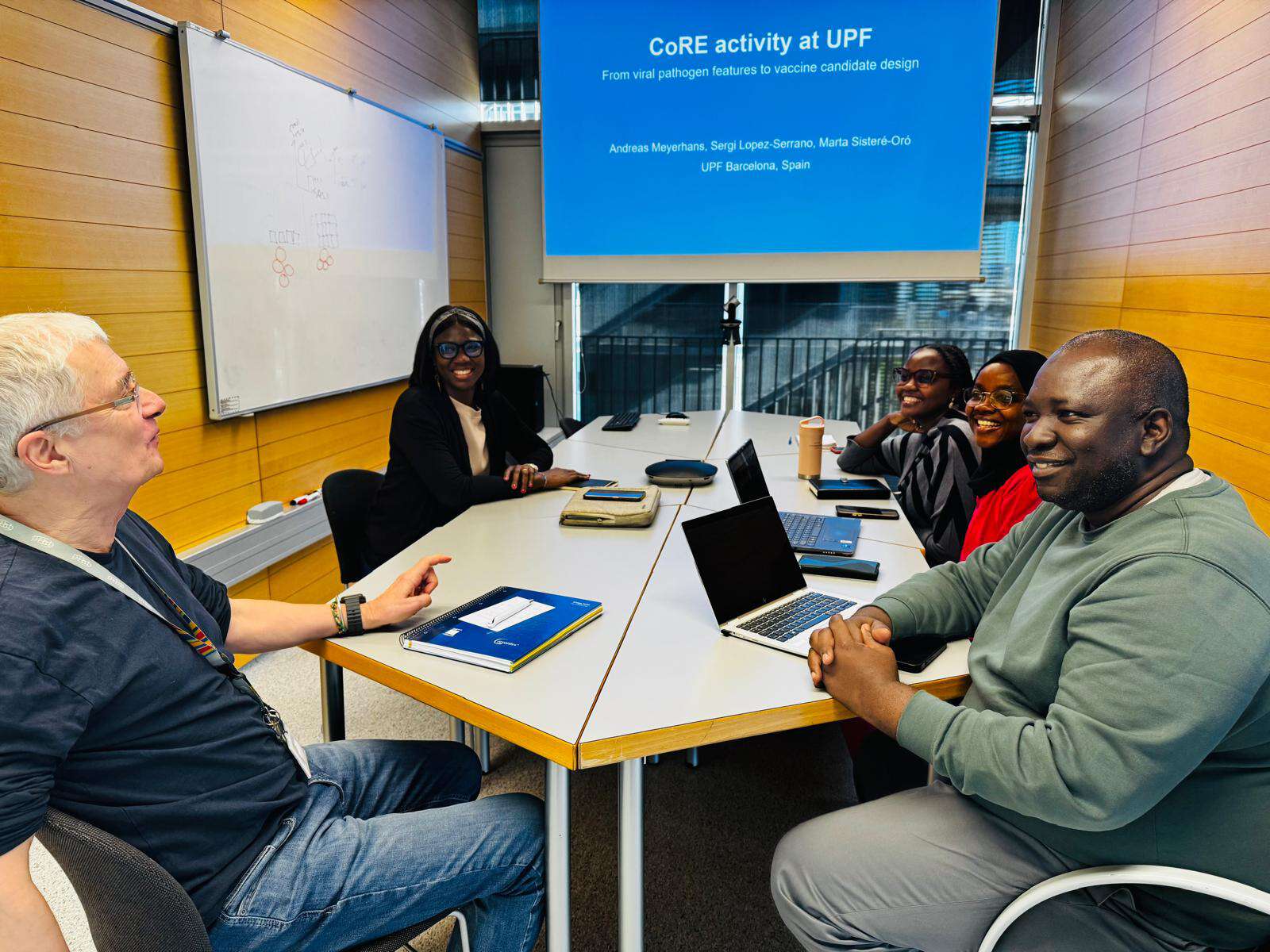
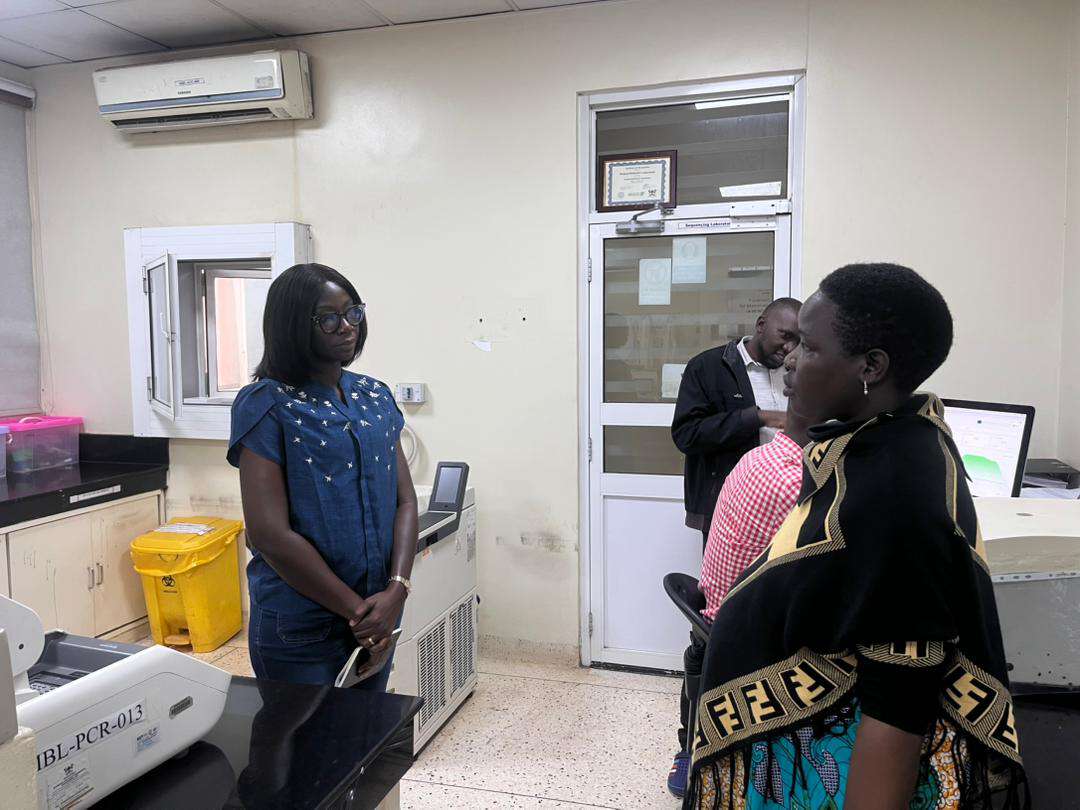
.jpeg)
© Makerere University
.jpeg)
© Makerere University
.jpg)
© Makerere University
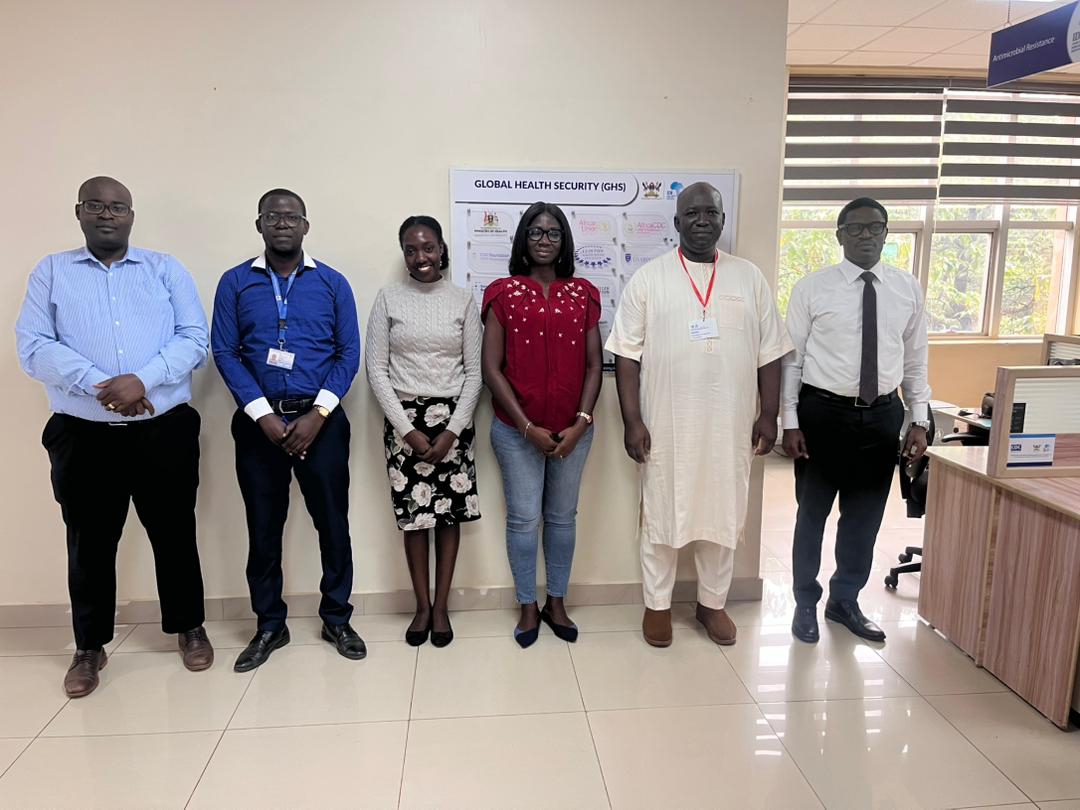
© Makerere University
.jpeg)
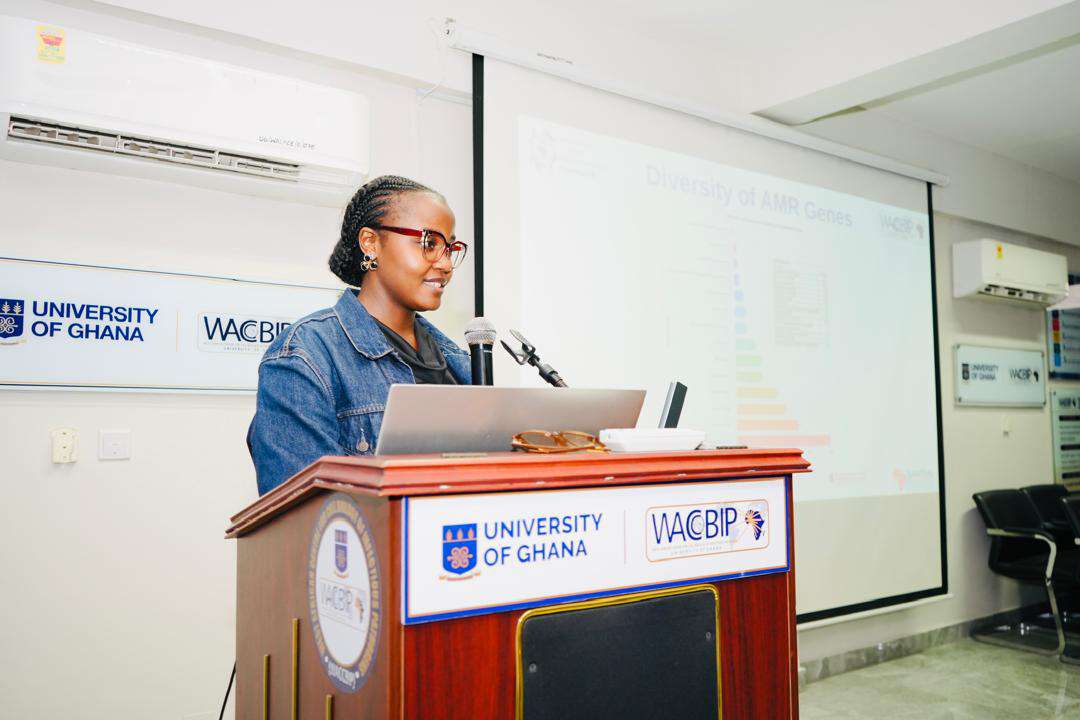
© West African Centre for Cell Biology of Infectious Pathogens (WACCBIP)
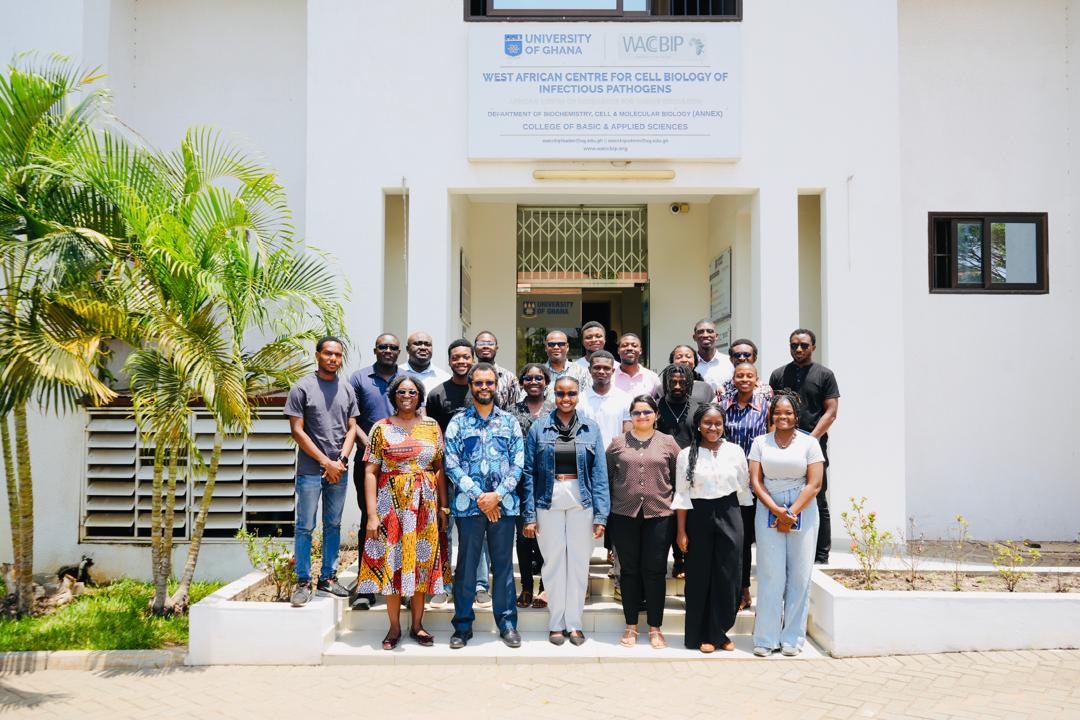
© West African Centre for Cell Biology of Infectious Pathogens (WACCBIP)
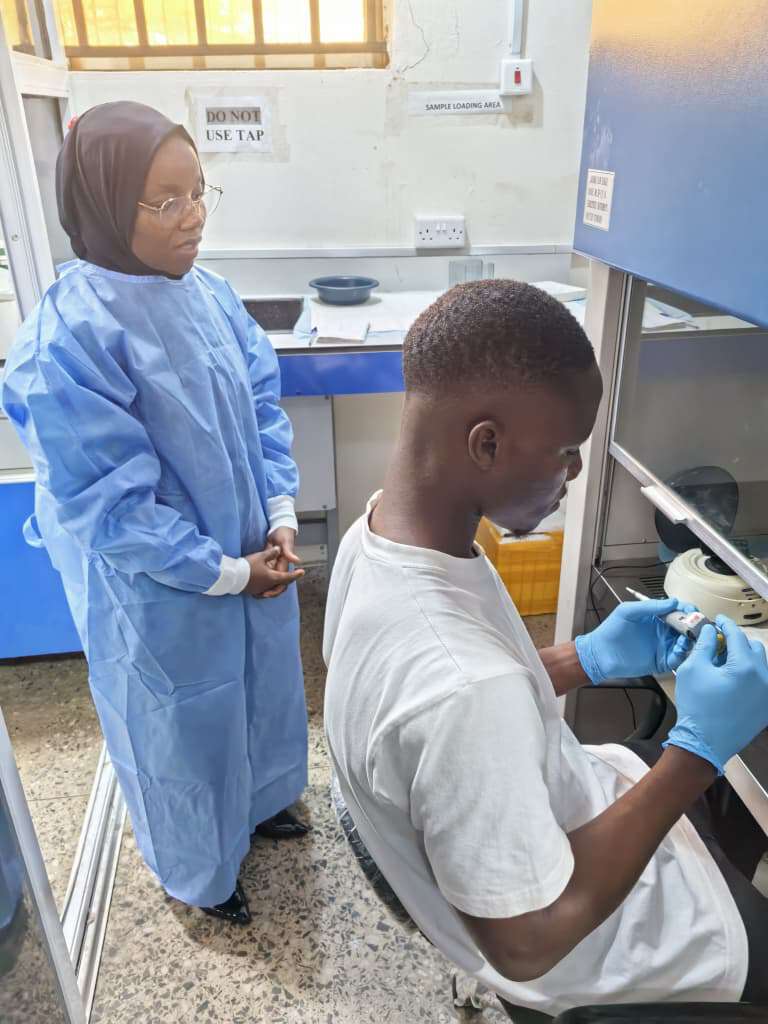
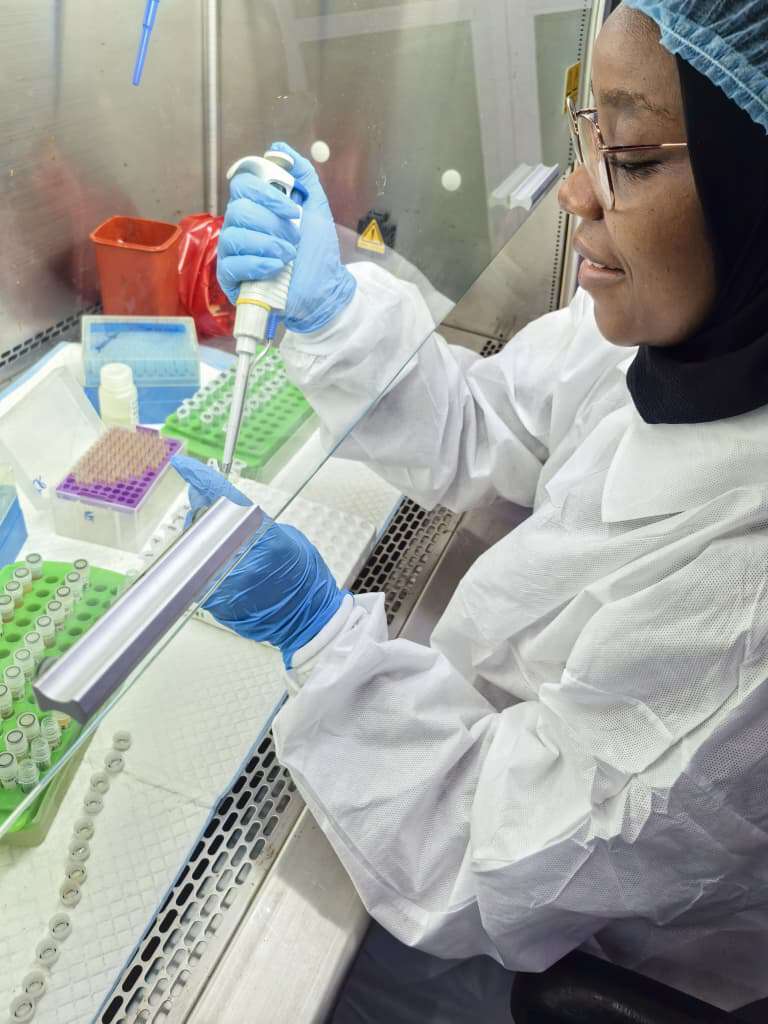
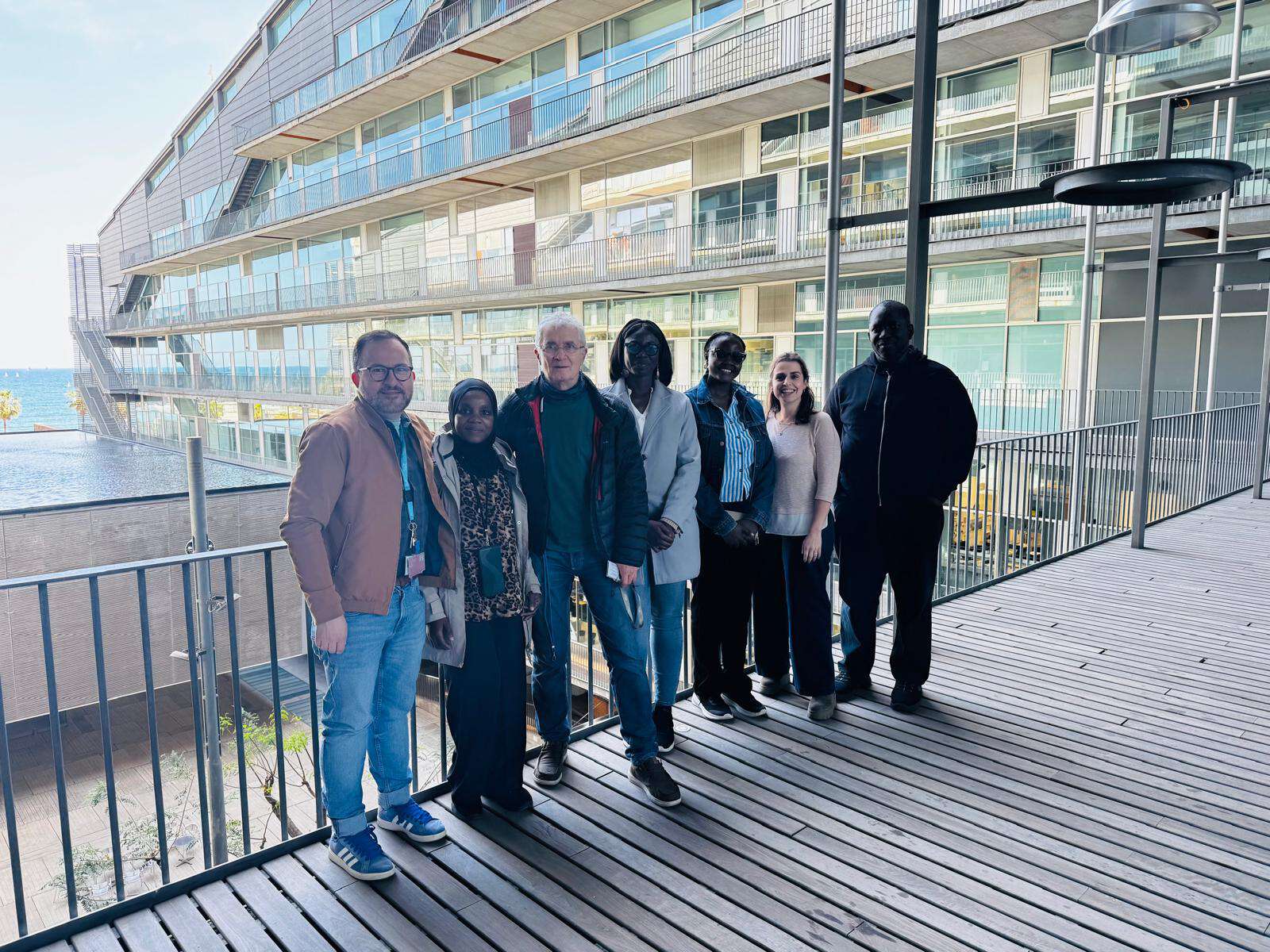
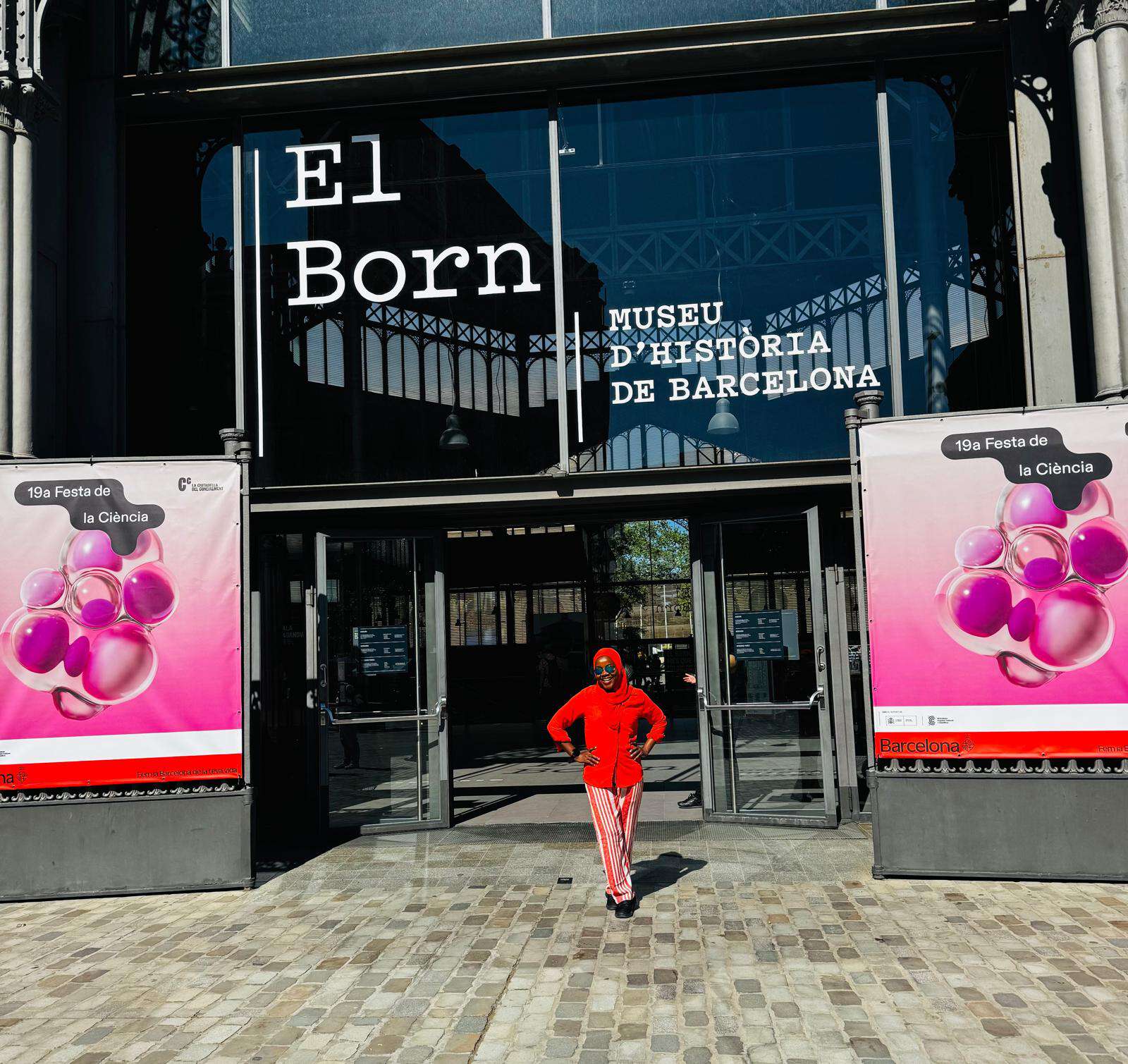
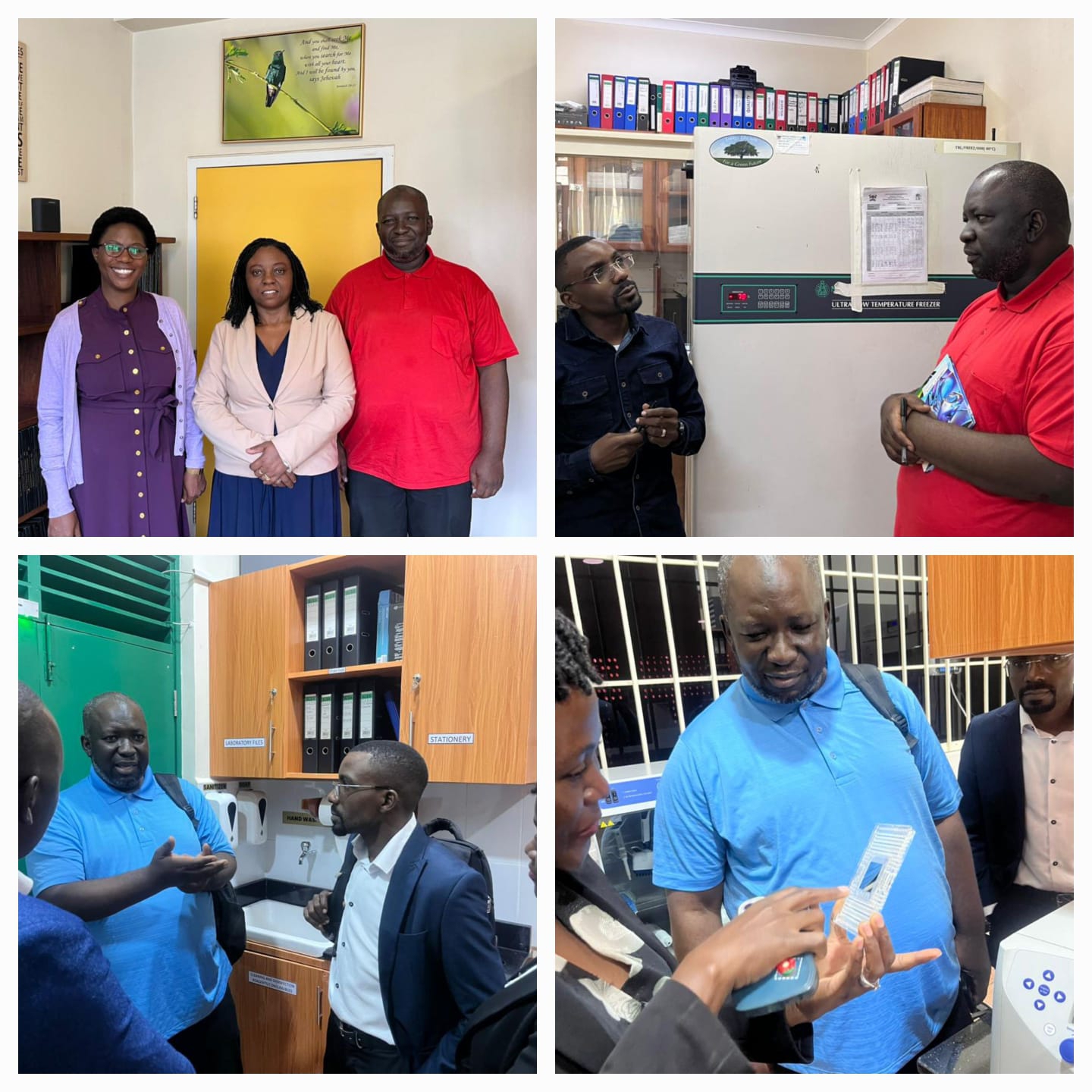
© Makerere University
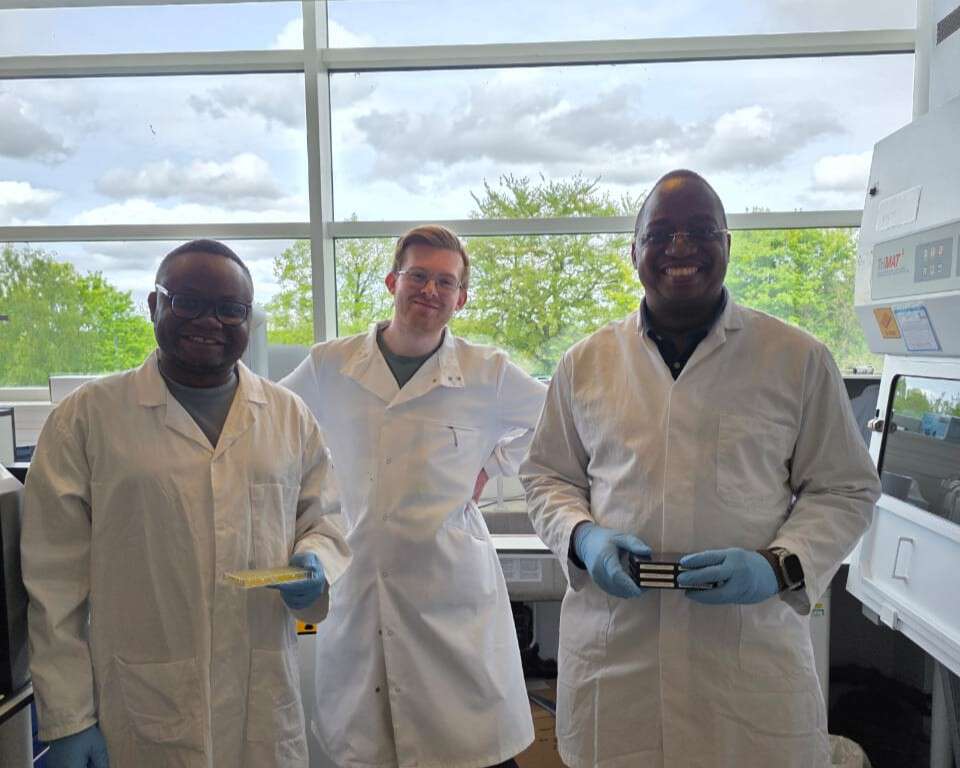
-edit.jpeg)

.jpeg?alt=thumbnail)
.jpeg?alt=thumbnail)
.jpg?alt=thumbnail)
.jpeg?alt=thumbnail)

-edit.jpeg?alt=thumbnail)
About the Africa-Europe Clusters of Research Excellence (CoRE)
Africa Europe CoREs are a new form of collaboration between some of the best researchers from both continents, striving for equitable partnerships in an unequal world. The launch of these scientific networks has been enabled by resources committed by our institutions to address UN Sustainable Development Goals through excellent research, education, capacity building, mobility, and innovation. The CoREs were proposed by academics and selected according to the excellence of their 10-year collaborative plans which contribute to the four priority areas of the AU-EU Innovation Agenda.
Whilst the CoRE initiative is led by ARUA and The Guild, participation is open to organisations beyond our networks, bringing together partners from more than 120 institutions across 44 countries.
About the AU-EU Health Partnership
The AU-EU Health Partnership is a broad coalition from Africa and Europe working together to strengthen health systems, improve health security, and increase access to pharmaceuticals in Africa. Encompassing myriad projects and partners at the continental, regional, and country levels, the initiative is making critical contributions to ensuring healthy lives and promoting well-being for all at all ages (SDG 3). Health is also one of the pillars of the European Union’s Global Gateway strategy, which aims to boost smart, clean and secure connections in digital, energy and transport sectors, and to strengthen health, education and research systems across the world.
The partnership benefits from coordinated implementation and focuses on five interconnected themes:
- Manufacturing and access to vaccines, medicines, and health technologies (MAV+)
- Sexual and reproductive health and rights (SRHR)
- Sustainable health security using a "One Health" approach (HSOH)
- Digital health for health systems strengthening and universal health coverage (DH)
- Support for public health institutes (PHI)
Team Europe actors include the European Commission, the European Investment Bank, the European Centre for Disease Prevention and Control as well as EU Member States including Belgium, Czech Republic, Denmark, Finland, France, Germany, Ireland, Italy, Luxembourg, Malta, the Netherlands, Portugal, Spain, and Sweden.
About DGD
The Directorate-General for Development Cooperation and Humanitarian Aid (DGD) looks after the various aspects of Belgian Development Cooperation. DGD falls under the jurisdiction of the Minister of Foreign Affairs since 2025. The DGD is integrated into the Federal Public Service (FPS) Foreign Affairs, Foreign Trade and Development Cooperation which is organising and elaborating development cooperation in accordance with the legal and regulatory framework. More info.
Through this Fellowship Programme, our Africa-Europe Clusters of Research Excellence are making an important contribution to the EU’s flagship MAV+ initiative, designed to reduce vaccine inequality between Europe and Africa. Our Clusters have unique capacities in helping to create a vibrant ecosystem around the development and production of vaccines in Africa. They have a unique capacity to bring together research, education, and knowledge valorisation across Africa at scale, across disciplines, to respond to the diversity of health challenges faced by Africa and Europe. I am delighted that through this initiative, the role of universities in the important ambitions of the MAV+ initiative are strengthened.
Secretary-General Jan Palmowski