At the forefront of digital transformation
This past year saw an increase in the adoption of artificial intelligence (AI) within universities, particularly in advancing research in areas not traditionally associated with emerging technologies.
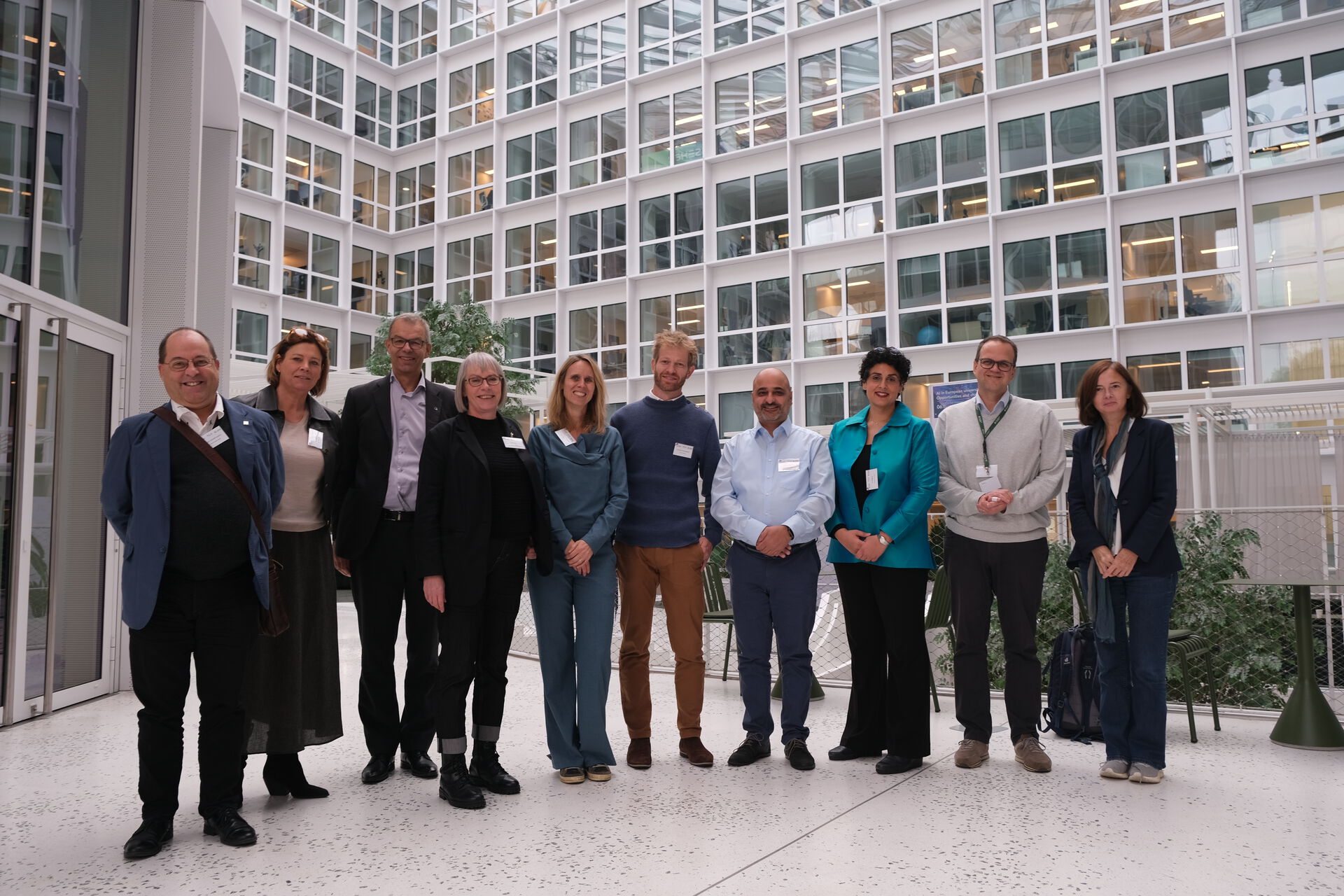
Our members also expressed the necessity of enhancing research on AI. In response, our network organised a hybrid event ‘AI in European universities: Opportunities and challenges’, together with Université Paris Sciences et Lettres (PSL) and Université Paris Cité, published a position paper on AI in research and supported the organisation of an in-person meeting of the Digital Transformation working group, kindly hosted by the University of Bern.
Unlocking AI’s potential in research
In the position paper, The Guild’s AI in Research task force acknowledges that substantial investments are necessary to advance AI for research purposes due to the limitations of existing AI tools. This involves modifying available AI solutions or developing new tools tailored to specific requirements. Many AI tools are developed outside Europe, which presents challenges regarding compliance with European Union legal frameworks. Moreover, fostering collaboration across diverse fields is imperative for the responsible development and use of AI technologies. Additionally, it is essential to recognise and value the contributions of AI researchers, engineers, and research assistants, as this recognition is vital for promoting collaboration and innovation within the field. Researchers are encouraged to develop AI competences at both basic and advanced levels, as appropriate, which include computational thinking and data science. Europe must strive to attract and retain talented individuals in the sector while nurturing partnerships with the Global South.
Furthermore, enhancing access to computational resources and data is critical for advancing AI research. There is a pressing need for new digital infrastructures and improved computing capacities, with a particular emphasis on cybersecurity and energy efficiency. Moreover, improved access to data for research purposes is necessary, all the while ensuring privacy protection. Investments should prioritise the development of energy-efficient algorithms alongside robust digital infrastructures.
The Guild’s position was widely reported in the media, and Senior Policy Officer Simone Mohrs presented the AI position paper at the AI in Science event in March 2025 in Kraków, organised by the Polish Presidency of the Council of the European Union and the European Commission.
AI in European universities: opportunities and challenges
Organised jointly with Université PSL and Université Paris Cité, this members-only hybrid event hosted at the PariSanté Campus took place on 6 November 2024. Over 140 participants discussed the opportunities and challenges universities encounter when implementing AI in teaching and research, drawing on practical experiences. Among experts from The Guild universities, participants engaged with two representatives from the European Commission on the EU’s plans for AI in research and the application of AI in health research.
During the full-day event, participants expressed their concerns, not only about equitable access to AI tools for researchers, academic staff, and students, but also about the rapid development of AI and its implications for curriculum relevance. They emphasised the need for collaboration with industry to cultivate talent and establish competitive research career structures. Furthermore, participants deliberated on optimising AI’s capabilities in research through interdisciplinary collaboration, underscoring the importance of access to computational resources and infrastructure, as well as the relevance of European initiatives, such as the AI Factories. Another focal point of debate centred on reimagining the learning process to enhance critical thinking skills, as participants considered adapting learning outcomes and a redefinition of assessment practices. The necessity of a shift in mindset in teaching innovation and a commitment from leadership to confront risk aversion was highlighted, alongside the importance of bottom-up initiatives spearheaded by students and academics and the need for clear university guidelines for the responsible use of generative AI tools in writing tasks.
Enhancing digital transformation in universities
The Guild’s Digital Transformation working group convened in Bern, Switzerland in November 2024. The meeting of the member-led working group was hosted by its Chair, Sascha Tayefeh, Chief Digital Officer at the University of Bern. Members discussed the strategic importance of digital transformation and shared best practices related to effective portfolio management and university collaboration on IT security, particularly in times of conflict. During the discussion on AI and research data handling, participants looked at ongoing policy initiatives, including the European Open Science Cloud (EOSC) and the Open Research Europe publishing platform. Group members also shared case studies of successful collaborations on cybersecurity with national and regional authorities, highlighting the importance of stakeholder engagement. Looking ahead, participants shared ideas and suggestions for future focus areas and activities of the group to further exchange best practices and challenges in developing and implementing digital transformation strategies, ensuring that member universities remain at the forefront of the digital transformation.
Other articles
- A new Commission, new priorities: Europe’s global competitiveness
- Advocating for a standalone Framework Programme for R&I
- Empowering higher education in the EU
- Africa-Europe Clusters of Research Excellence
- A renewed impetus for the European Research Area
- Universities and the Green Deal objectives
- Transforming health research in Europe
- Interviews with The Guild interns