Africa-Europe Clusters of Research Excellence
The Africa–Europe Clusters of Research Excellence (CoRE) initiative celebrated its first anniversary in 2024 by launching its official logo and holding an inaugural conference hosted by Stellenbosch University at the Stellenbosch Institute for Advanced Study (STIAS) in South Africa in October 2024. The 21 CoREs are up and running and involve 120 institutions in 42 countries. Its early achievements were largely academic-led with the support of institutional seed-funding.
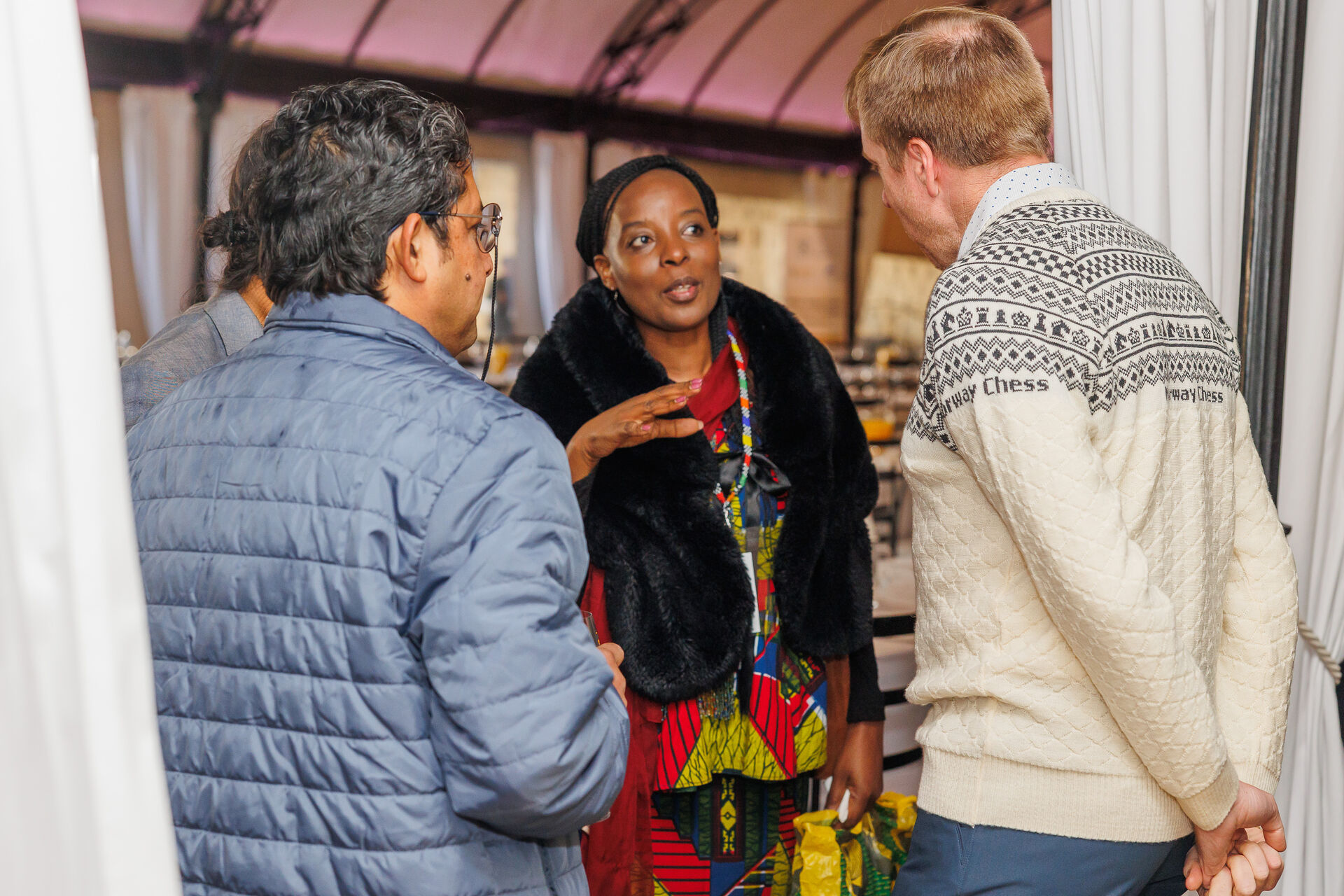
First year of CoRE activities
Representatives of national governments, the European Union and the African Union officially recognised the CoRE initiative as a contributor to the AU–EU Innovation Agenda. At least EUR 19 million of resources have been committed by institutions to establish and maintain the collaborative capacity of the CoREs over the long term and are listed on the AU–EU Dashboard of Initiatives. The initiative stands out on this dashboard as a unique example of a bottom-up, academic-led initiative that has been initially funded by participating universities themselves.
The CoREs have contributed insightful case studies and recommendations to our networks’ policy advocacy, drawn from their expertise, perspective and talent. Regular governance discussions and decisions facilitated by the African Research Universities Alliance (ARUA) and The Guild during this first year of implementation culminated in the publication of the first collated version of the CoRE initiative’s guidelines.
In July 2024, the CoRE Annual Report survey responses were submitted for the 2023/2024 period by academics, institutional representatives and research support staff. The data gathered by this survey records the approach, experiences and concrete actions that these collaborative teams have undertaken across the CoRE initiative. There were 69 responses submitted, with at least one response per CoRE, marking the beginning of a detailed and systematic database on the implementation of this initiative which will record activities on a regular basis over the long term. This early data indicates varied and intensive activity across the initiative.
- Funding: 65 funding applications submitted for projects requesting approximately EUR65 million for activities related to a CoRE; 24 applications for projects worth approximately EUR8.8 million were flagged as successful, the results from other applications were still pending under evaluation.
- Events: 48 public events or event series organised by CoREs or with participation of CoRE team members. A slight majority were in-person events, of which nearly two thirds were hosted in Africa.
- Research outputs: 37 peer-reviewed articles and commentary pieces were published in academic journals, underpinned by the activities of seven CoREs.
CoREs as case studies of good practice and potential
The predominant vehicle for CoRE advocacy in 2023–2024 has been events in which CoRE academics, research support staff and institutional leaders have represented the specific aims of a particular CoRE and the added value of the CoRE initiative as a model for better Africa–Europe collaboration.
Academics from institutions co-leading the Advanced Infectious Diseases CoRE participated in a panel of the Sustainable Development Higher Education Group (S-DHG) forum in Brussels in November 2024; it gathered major funders from around Europe to think through Team Europe in practice and European funding for Higher Education and Research with development goals. Our CoRE co-leads presented concrete examples of how the University of Tübingen and the University of Ghana are integrating cutting-edge research and large-scale international training programmes in an international action plan that is grouped together in their CoRE and aligned with the AU–EU Innovation Agenda’s public health priorities. They echoed calls by Professor Peter Maassen in the previous panel for European funders at the national and regional levels to recognise the potential to make more impact by better incentivising the collaborative dynamics that universities and academics are demonstrating in their collaboration across continents. The Guild later joined with funders and other participants in this forum in a joint statement calling for global partnerships in higher education and research to be strengthened.
The University of Bern co-organised an event with The Guild and Swisscore to showcase its Genomics for Health in Africa CoRE and Sustainable Water and Land Resource Management for Human Well-Being CoRE as cornerstones of their wider Initiative Afrique programme, which seeks to maintain and establish international research collaboration with African partners while also taking a broader view of the institution’s connections to Africa through outreach activities with its students and research staff.
Advocacy for better Africa–Europe collaboration
The first year of the initiative has demonstrated the value of the CoRE initiative for advocacy. Each CoRE is focused on its R&I activities to push forward the frontier of knowledge, improving ways of collaborating equitably and addressing shared challenges. They also generate concrete examples of practices and specific proposals that can be illustrative and persuasive for policymakers and funders. This has been a key aim of The Guild for this initiative, to build on the insights and expertise of the North–South working group with advocacy that shows by doing.
The Guild has influenced policy by contributing insights from the example of the CoRE initiative to the drafting of UNESCO recommendations on equitable scientific cooperation; the Swiss Academy of Science’s revision of their guide for transboundary research partnerships; and the monitoring and evaluating the AU–EU Innovation Agenda to generate “opportunities to correct or redirect the implementation on a solid evidence base”.
Other articles
- A new Commission, new priorities: Europe’s global competitiveness
- Advocating for a standalone Framework Programme for R&I
- Empowering higher education in the EU
- A renewed impetus for the European Research Area
- At the forefront of digital transformation
- Universities and the Green Deal objectives
- Transforming health research in Europe
- Interviews with The Guild interns