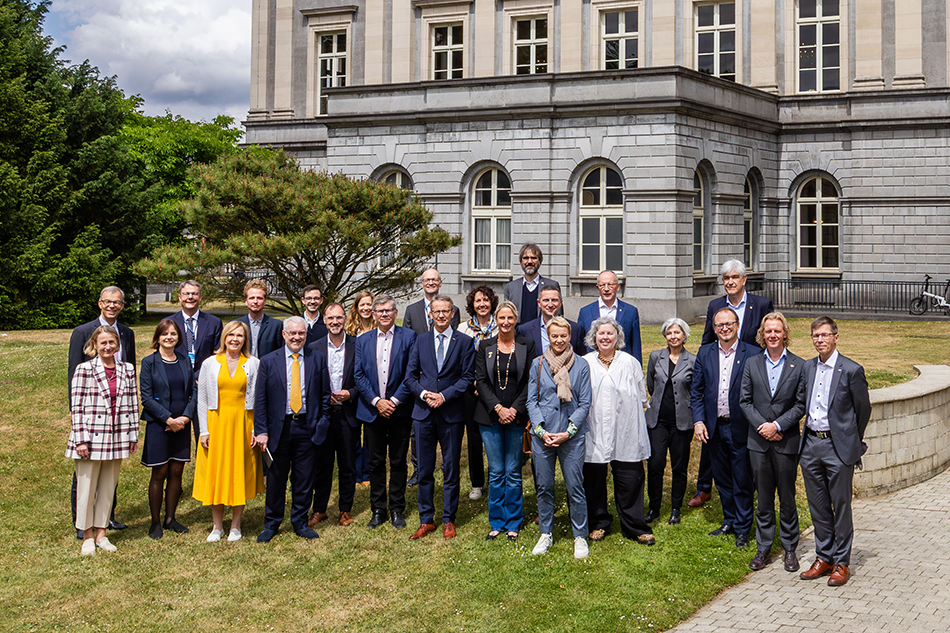
Key questions they considered were how universities can support each other against attacks on science, how they can best support Europe’s strategic needs, and how the EU’s funding programmes can be optimised. These issues were particularly poignant weeks before the European Commission publishes its draft Multiannual Financial Framework, which will provide a key frame for how universities are enabled to contribute to the continent’s future.
Key takeaways from the discussions include:
1. Universities must be bold
In his address, MEP Christian Ehler encouraged universities to engage with the Competitiveness Agenda of the EU with confidence and purpose. Universities are integral to the EU’s ambitions with their research power, their innovative capacity, and their educational mission, and he urged them to rise to the challenge and ensure they contribute to the EU’s goals on this basis.
2. Universities must stay ahead of the game
Ehler’s words were echoed by Robert-Jan Smits, President Emeritus of TU Eindhoven, and former Director-General of DG RTD. Noting that Europe had fallen behind in key technologies, he urged the sector, policymakers and industrial leaders to work with each other in new ways to ensure that this would not happen again.
3. Europe must be attractive for researchers
In her contribution, Maria Leptin, President of the ERC, emphasised that Europe must be the most attractive place for researchers, offering the best conditions to foster world-leading breakthrough science. She urged the completion of the European Research Area (ERA), enabling Europe to do better to strengthen the EU’s competitiveness.
4. Excellent ideas for the future of European R&I are on the table
In his comments on Danish Minister Christina Egelund’s remarks, The Guild Chair Anders Hagfeldt, Vice-Chancellor of Uppsala University, welcomed the Council’s Warsaw Declaration on the next Framework Programme (FP10), and the European Parliament’s resolution on FP10. Following the welcome announcement by Commission President von der Leyen that FP10 would be a self-standing programme, he emphasised the willingness of universities to work with the Council, the European Parliament and the Commission to make FP10 as effective as possible.
5. Universities are international
Building on Robert-Jan Smits’s remarks, who underscored that universities’ impact in Europe begins with their regional engagement, speakers highlighted the essential role of international collaboration and international staff, students, and outlook. It is crucial to find ways to support each other in times when academic freedom is under attack – not just globally, but also in the EU itself.
6. Freedom of scientific research in Europe requires stronger legal protection
In her contribution, Deputy Director-General Signe Ratso stressed the importance of strengthening the legal protection of academic freedom as part of the forthcoming ERA Act. This contrasted with the approach urged by MEP Ehler at a separate The Guild event on Academic Freedom, where he advocated a self-standing Act to protect the freedom of scientific research, developed with strong involvement of the scientific community. These contributions drew up the lines of debate in the coming year, based on a strong point of convergence about the need to finally act on putting stronger safeguards in place for the protection of the freedom of scientific research.
“Research-intensive universities must be at the heart of the drive towards competitiveness and inclusive growth in Europe. Our institutions are the foundations of European Research and Development, and through the Union of Skills we can develop the high-level skills and competencies to overcome the many complex challenges our societies face. At this pivotal time for European universities, it is crucial that the EU invests appropriately in the self-standing FP10 programme, in partnership with associated countries which share our European aims and values. Discovery research in all our disciplines will provide the strongest foundations for growth, prosperity, and security in Europe.”
- Anton Muscatelli, Principal and Vice-Chancellor of the University of Glasgow
“Universities at the forefront of academic excellence are of outmost importance to the sustainable prosperity of Europe and even more so in this time of uncertainty. The high level seminar that allowed the 47 leading European universities to engage in dialogue with central policy makers and international peers showed a long-reaching mutual understanding of the different parts of the european ecosystem for research, education and innovation; both the prerequities for academic excellence and the need for universities to be bold and impatience.”
- Svein Stølen, Rector of the University of Oslo

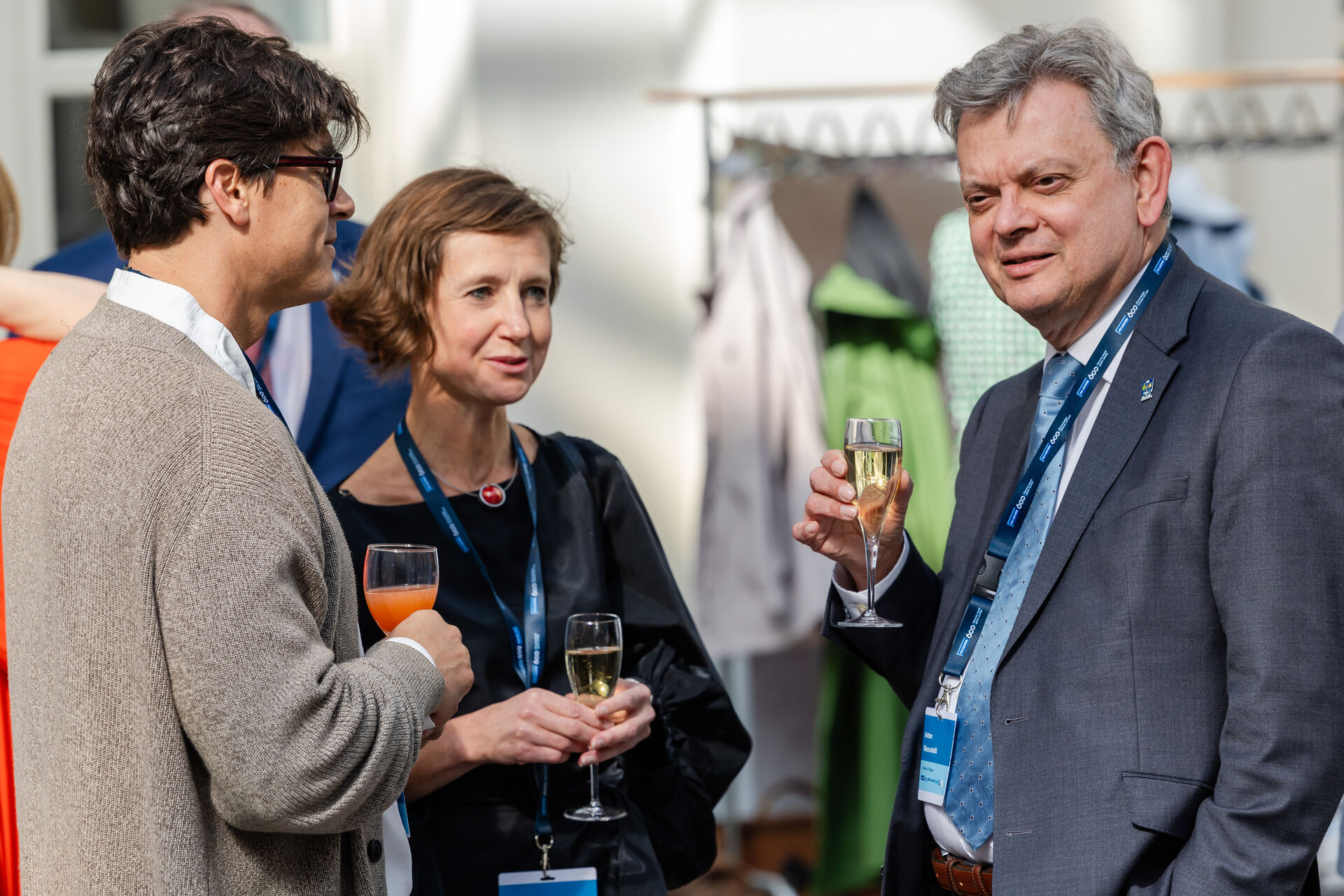
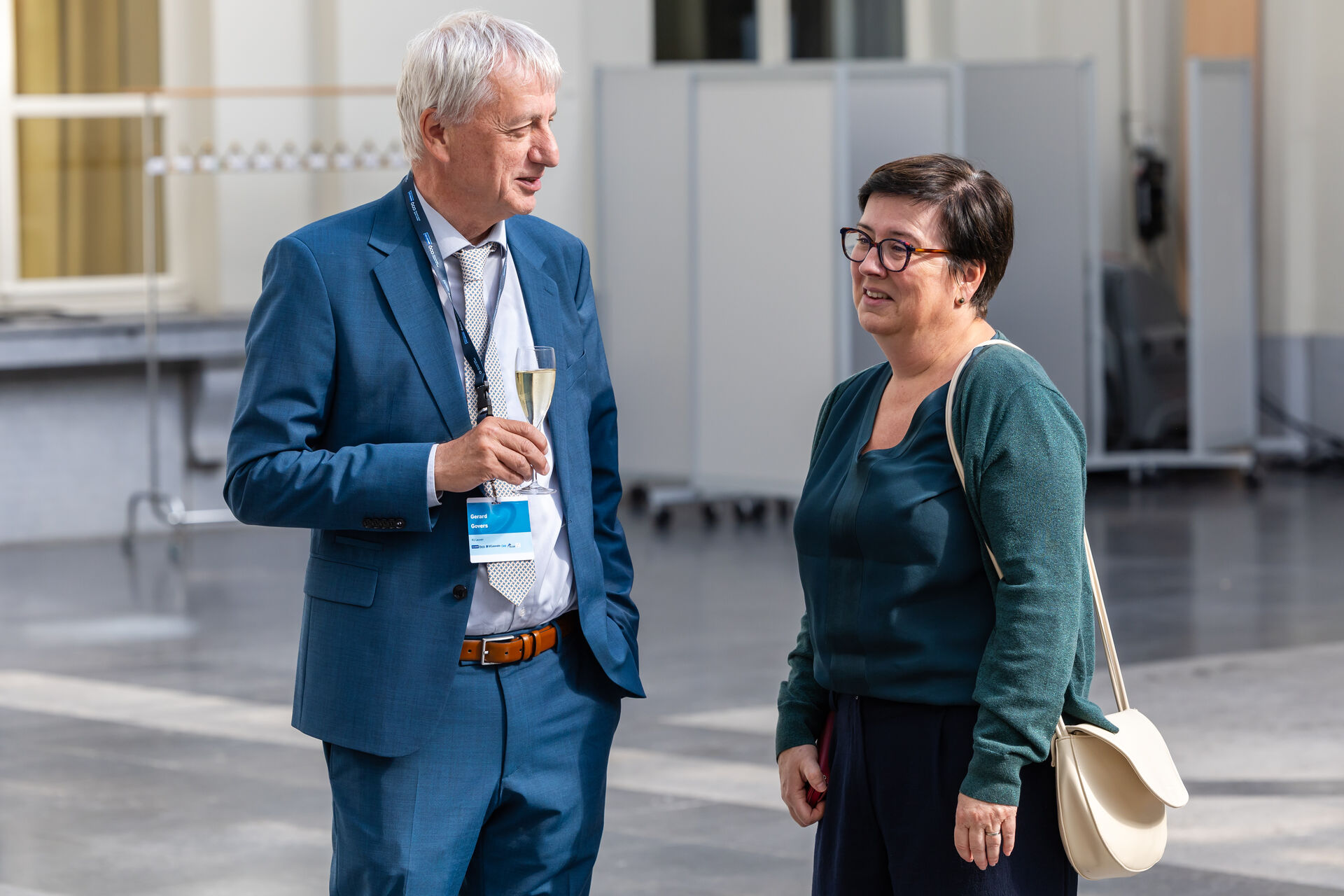
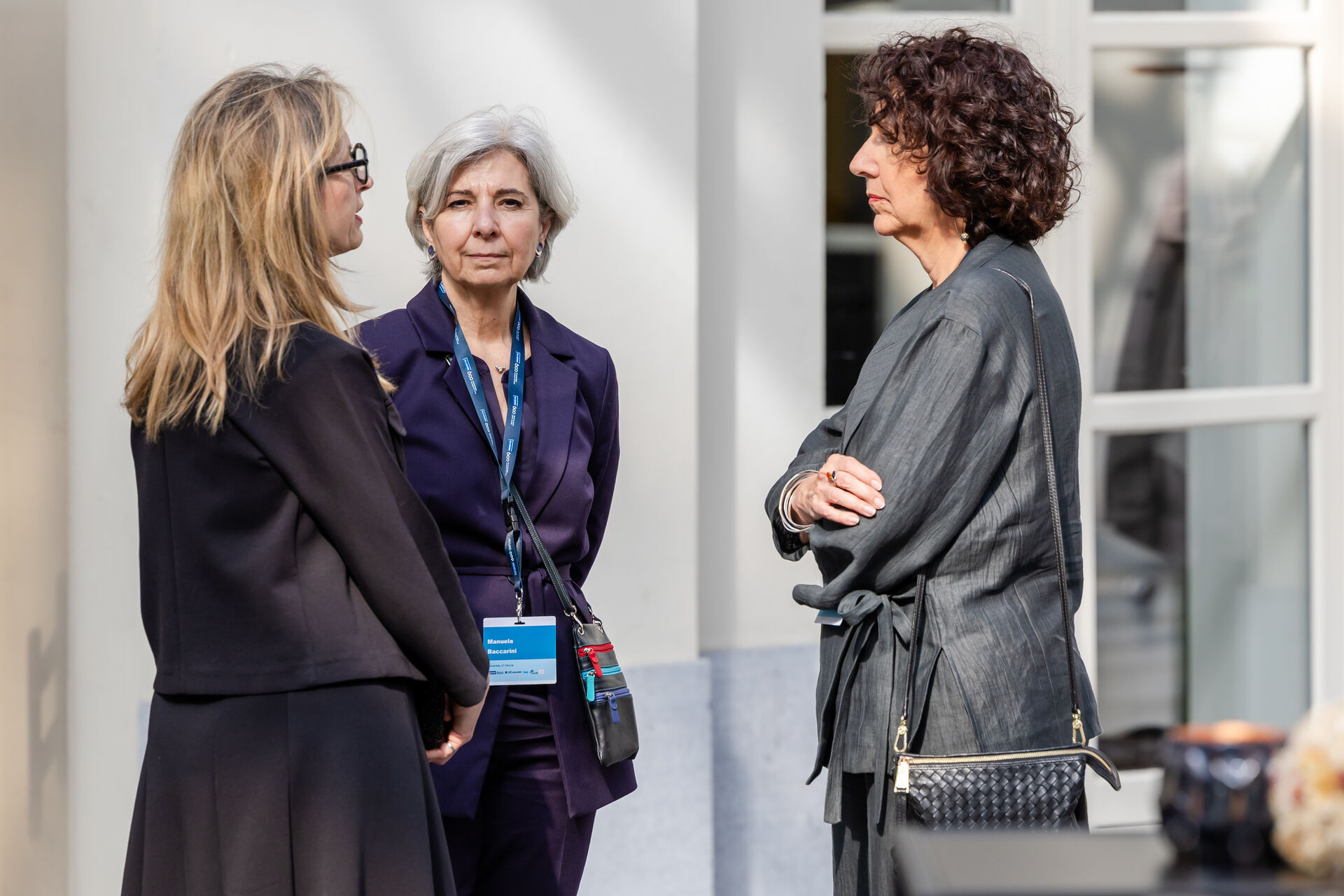
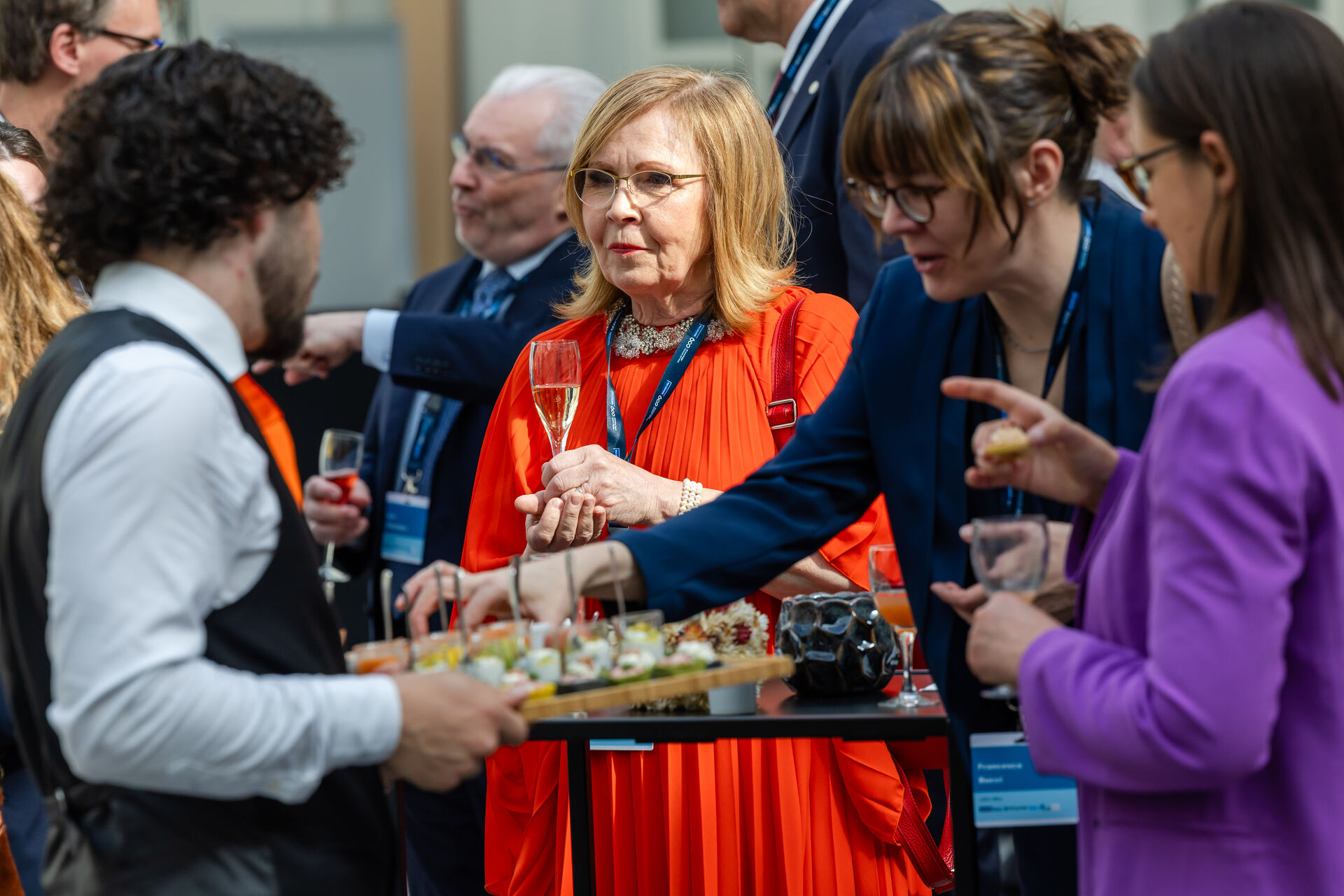
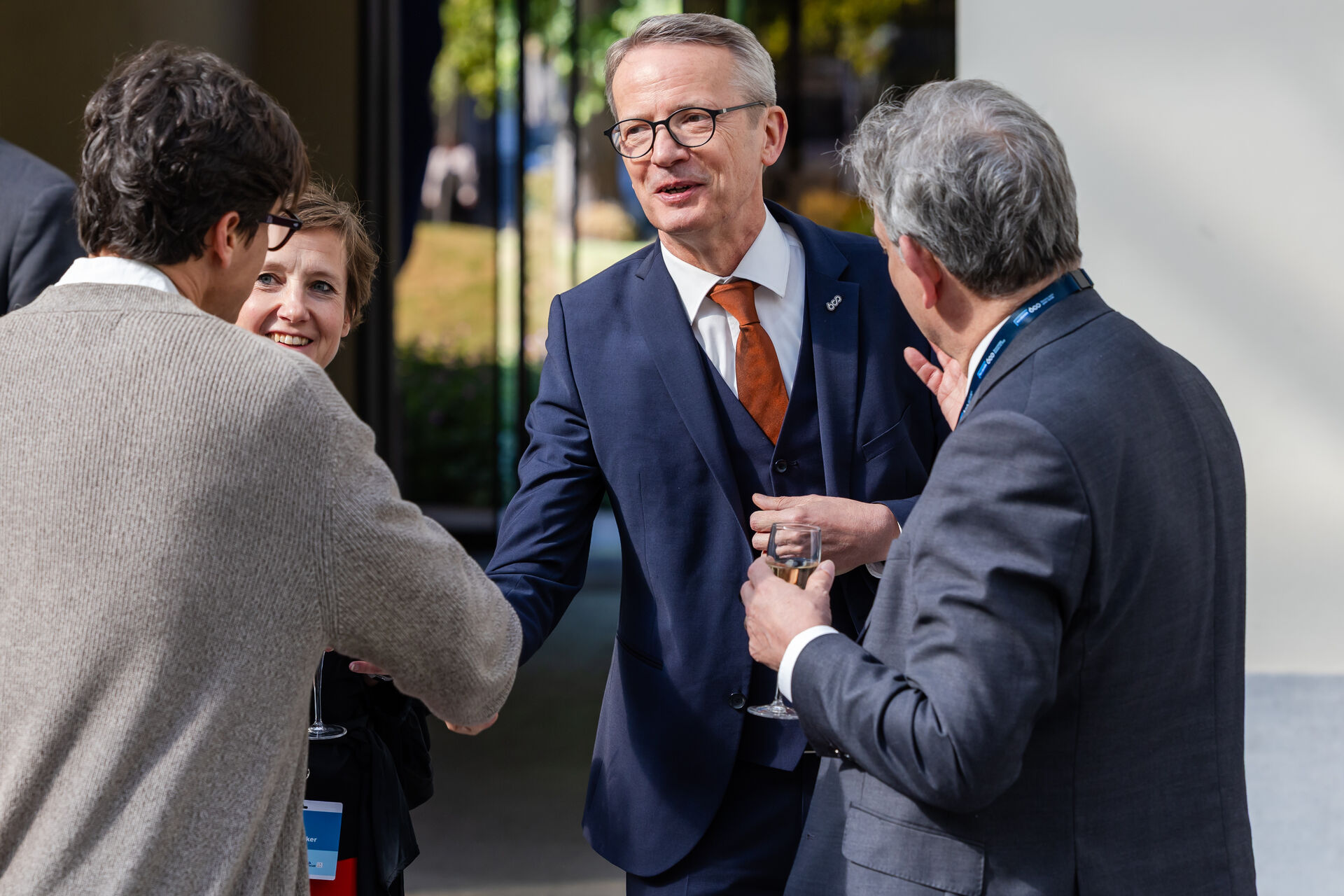



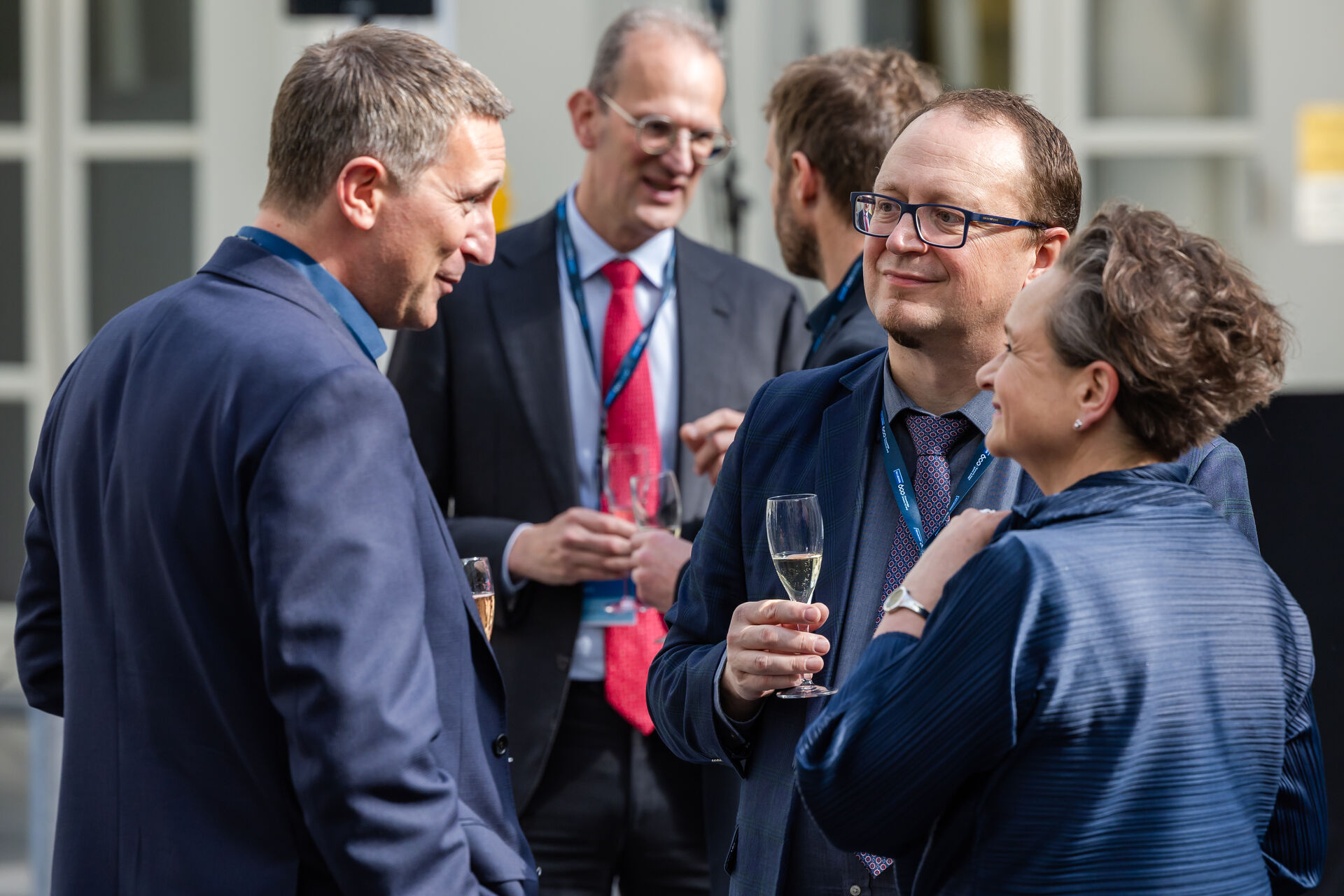
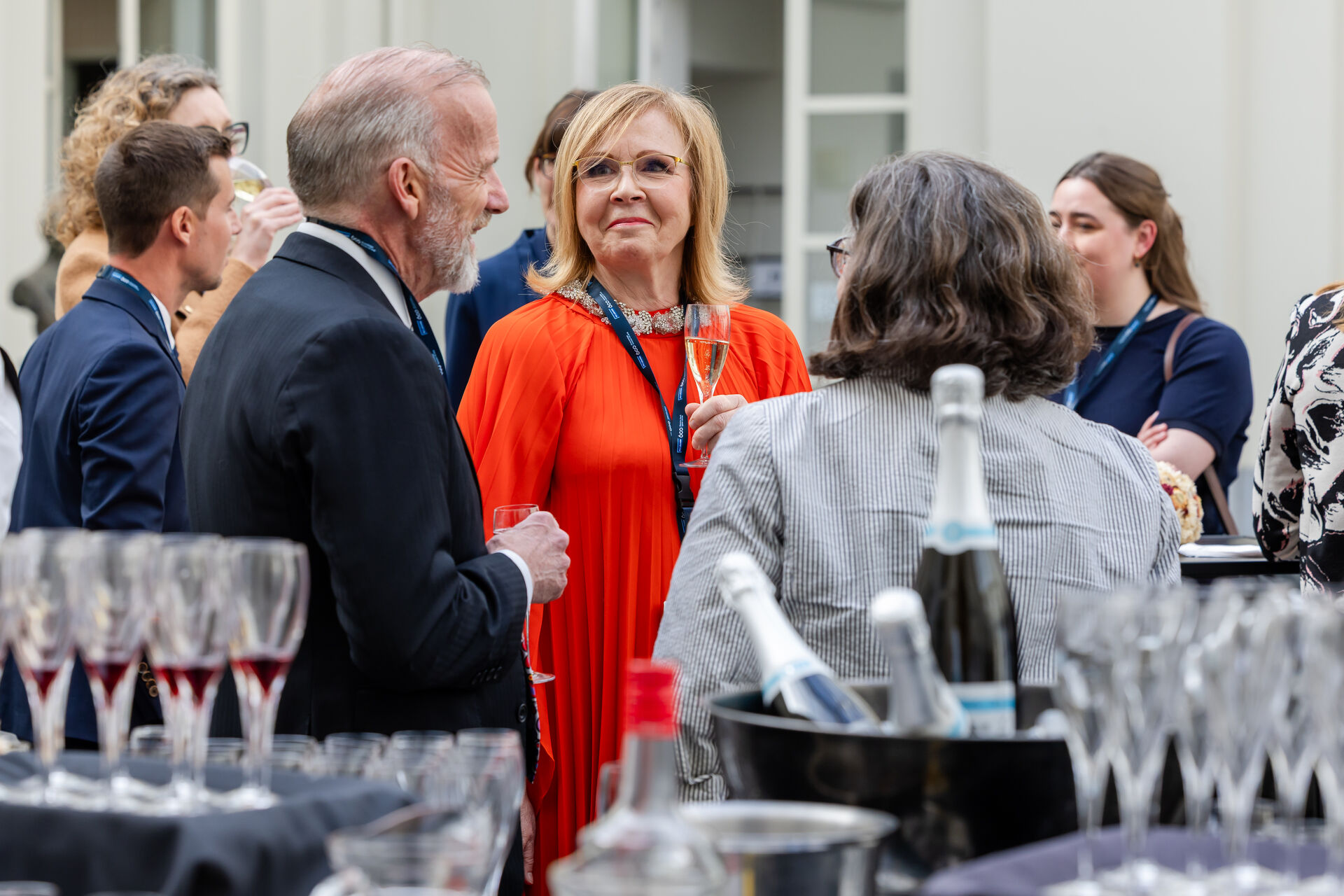
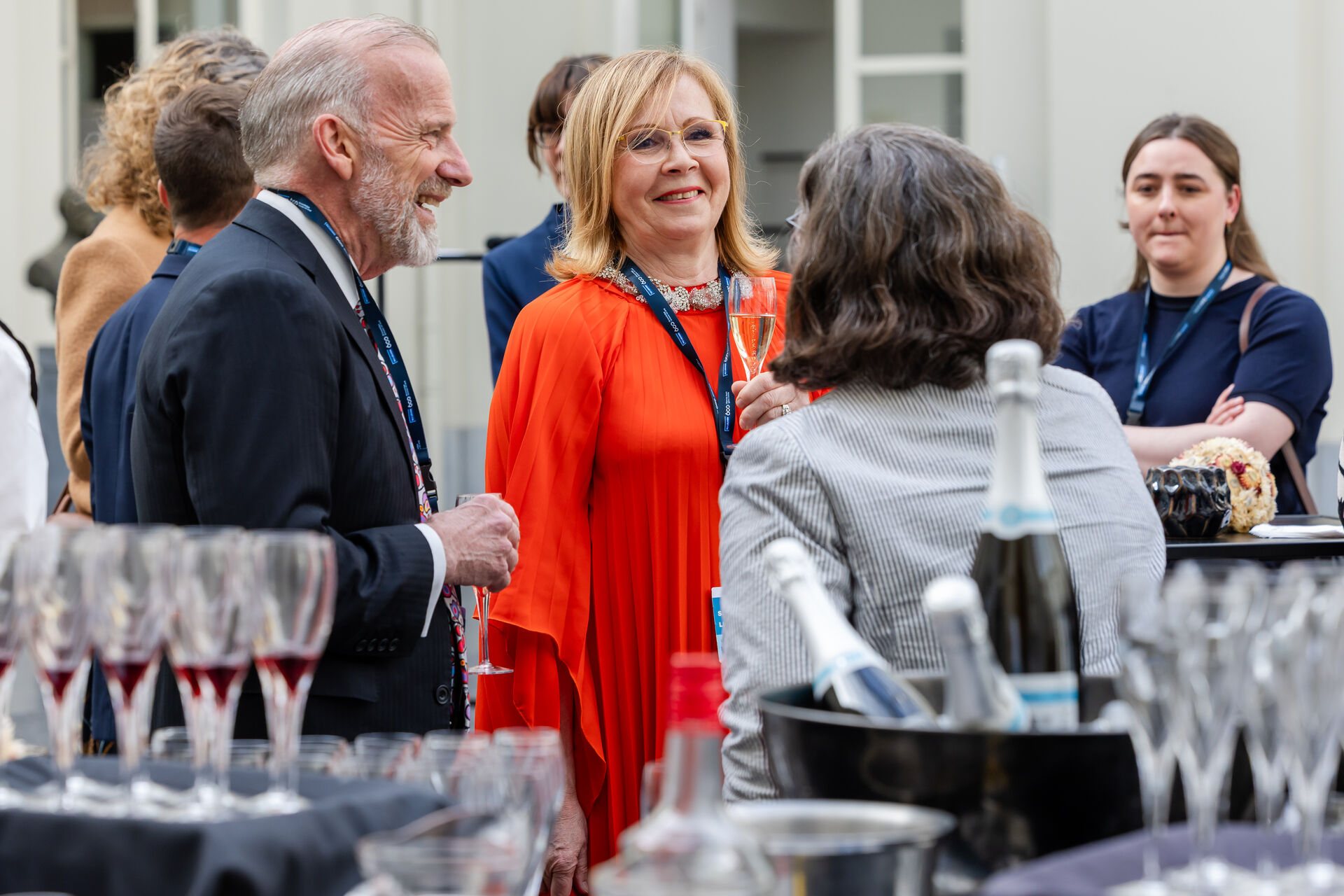
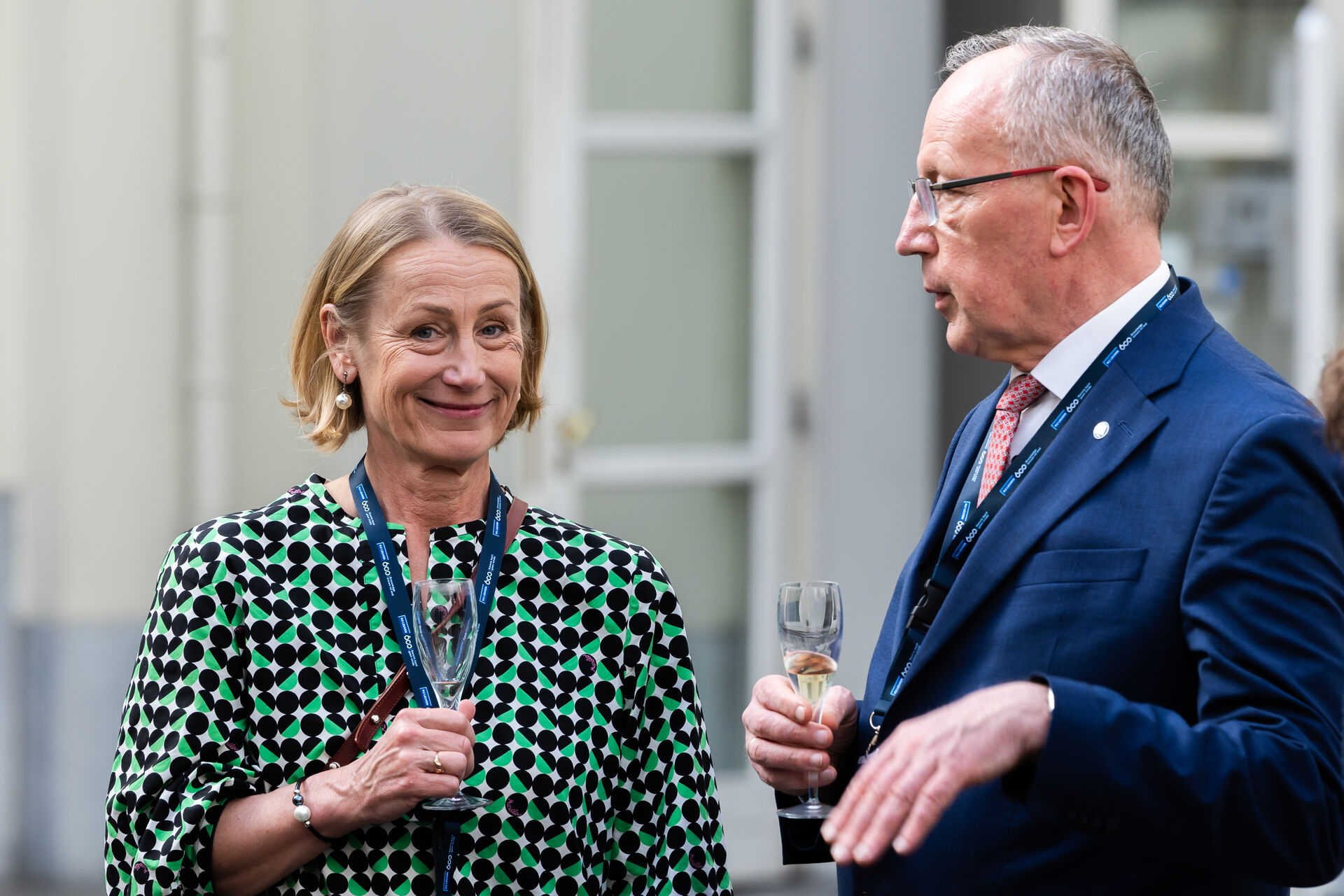
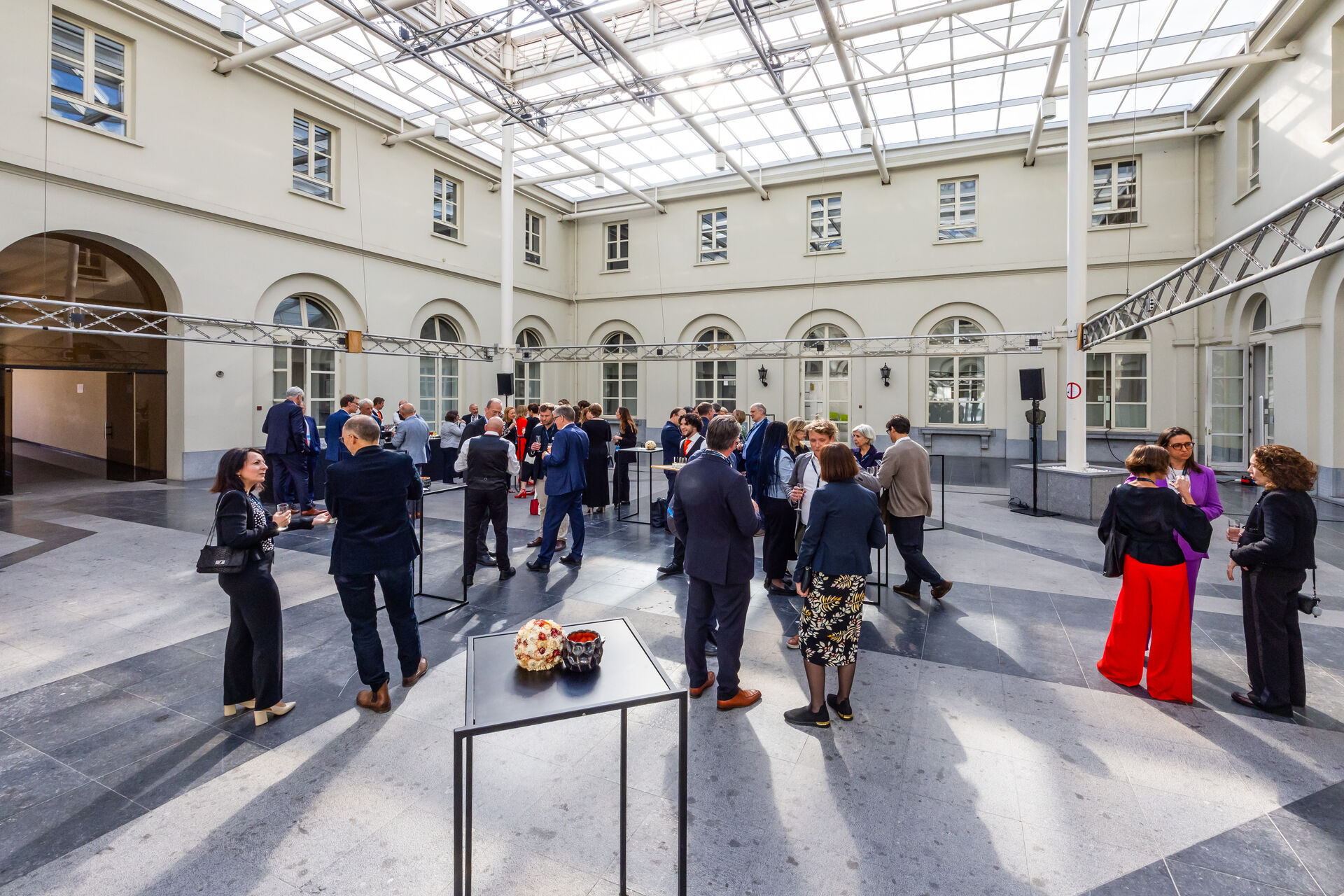
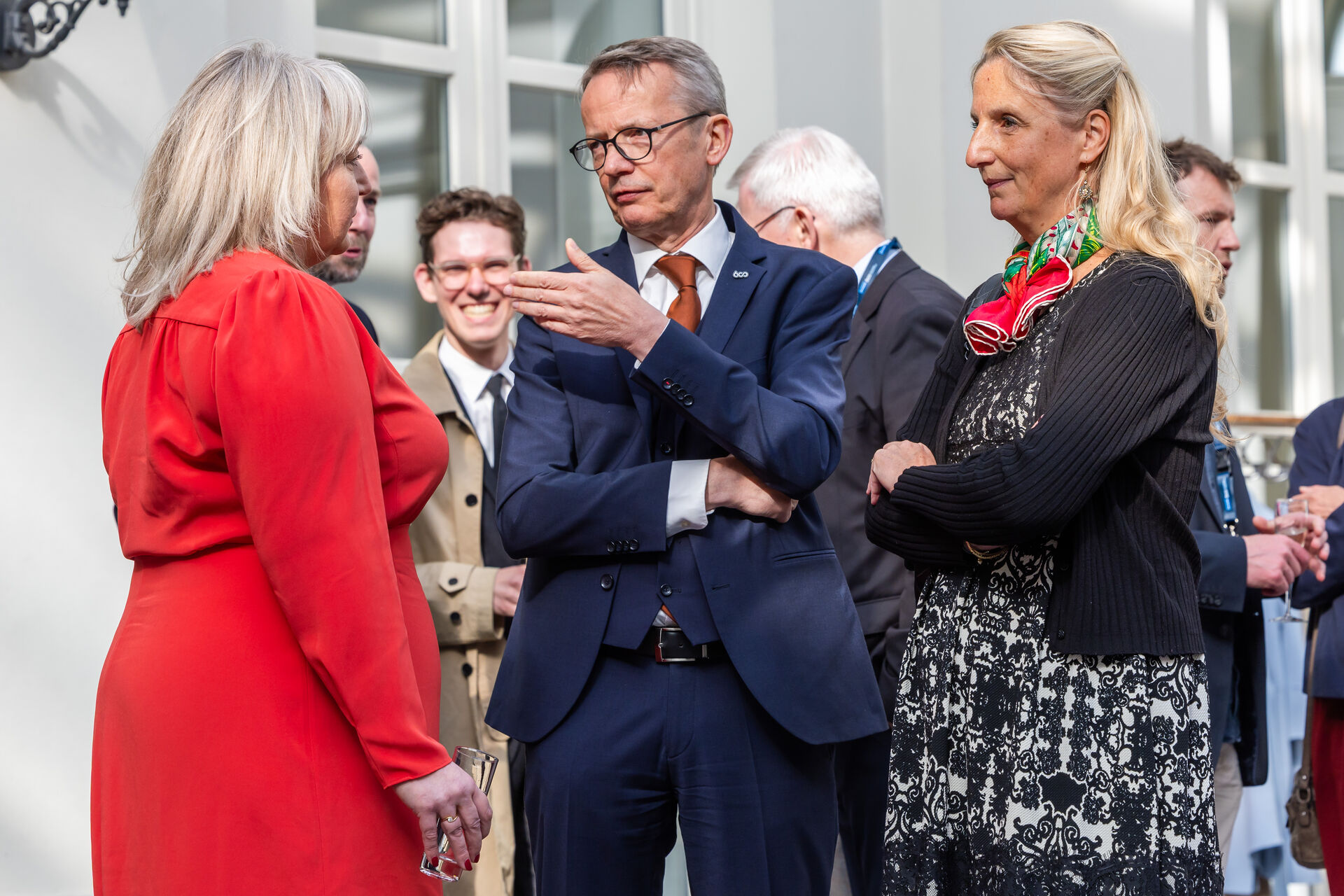

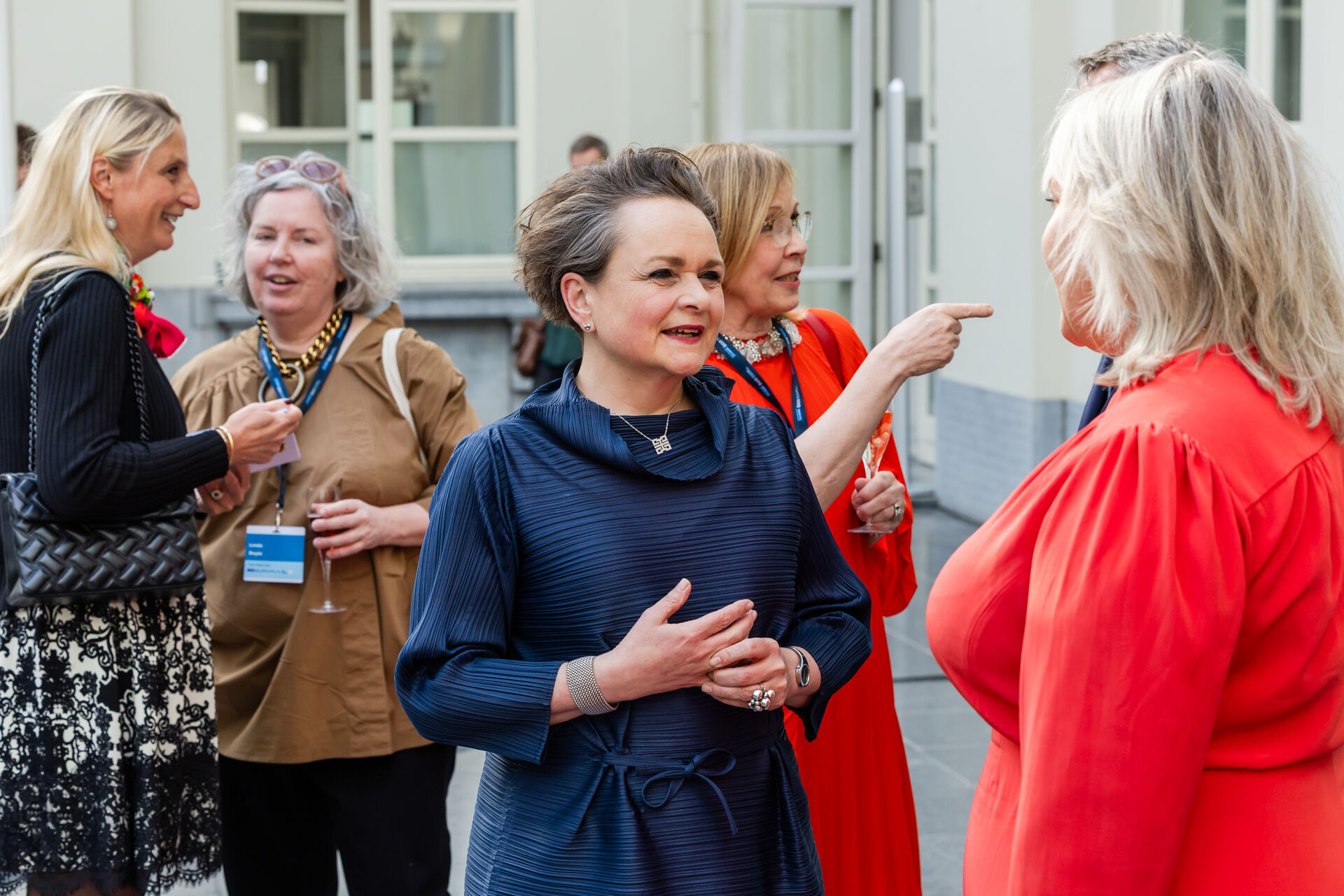
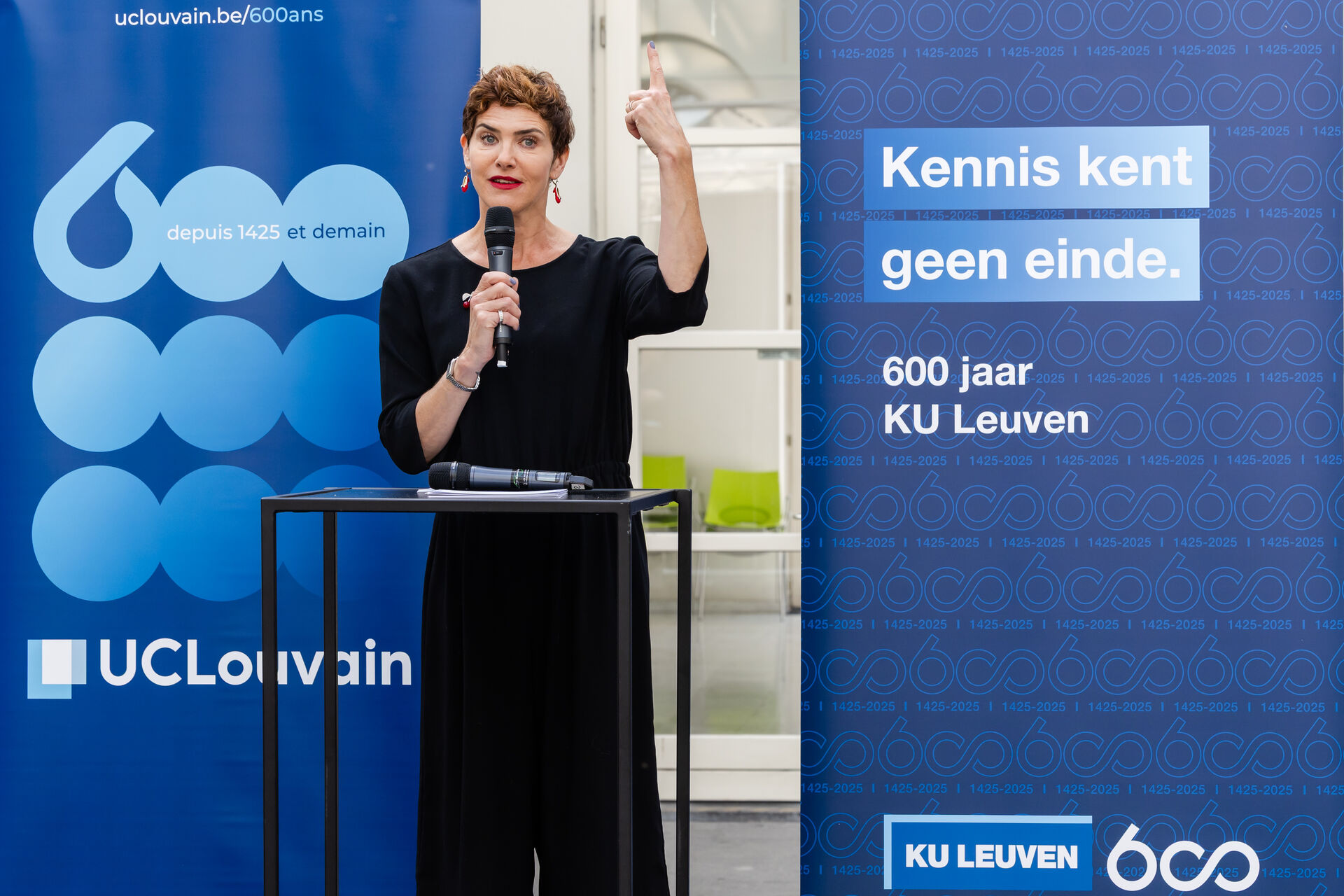
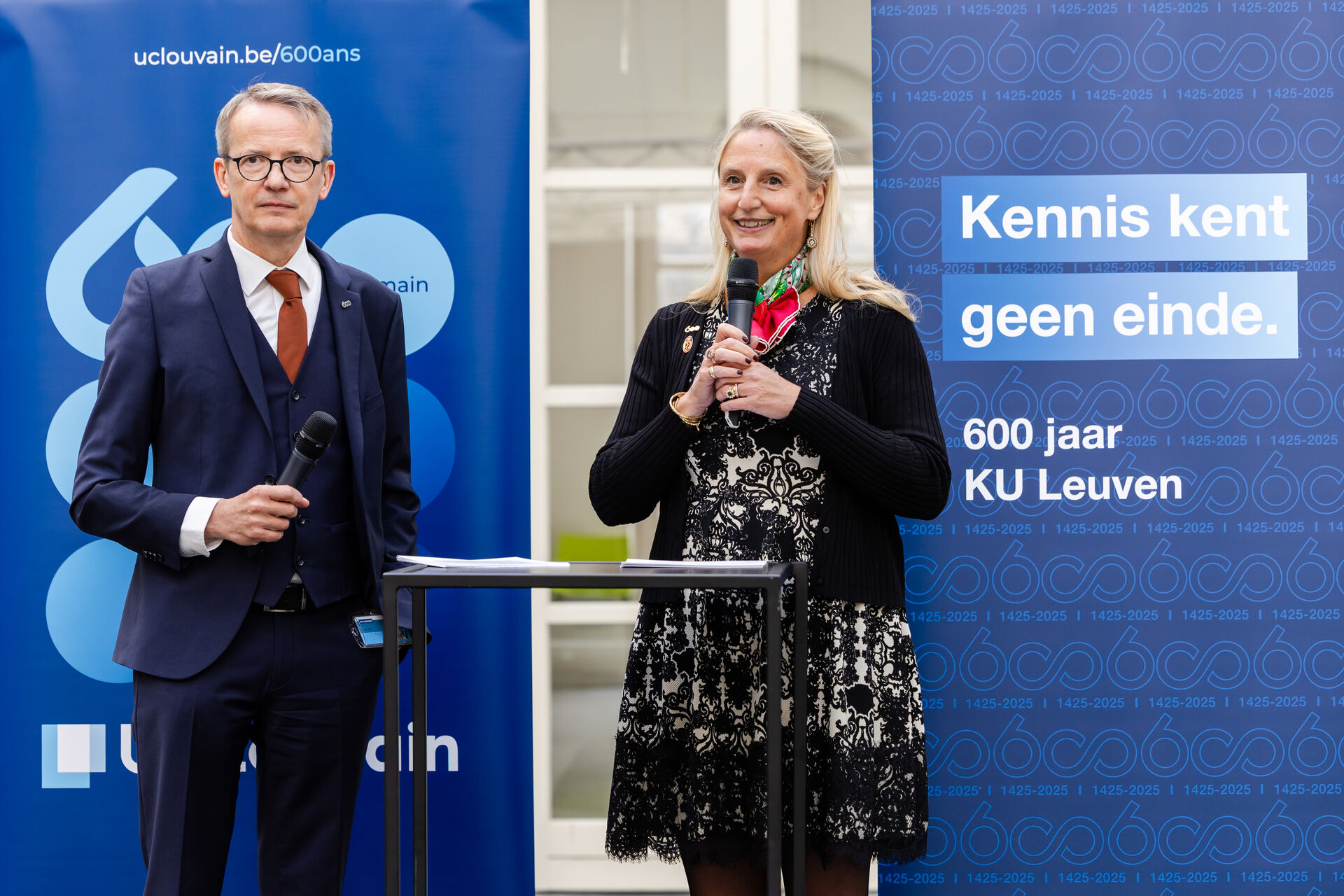
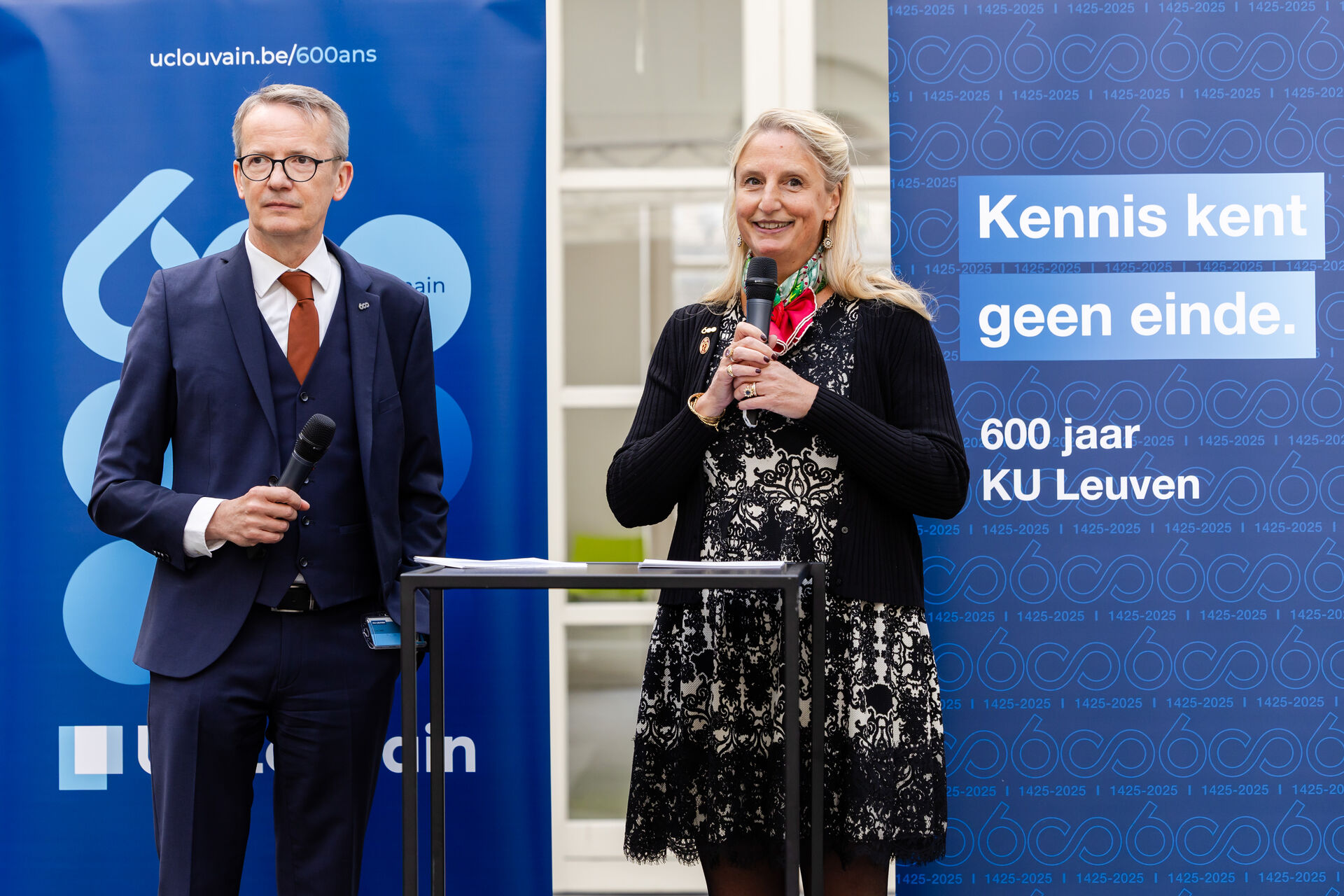
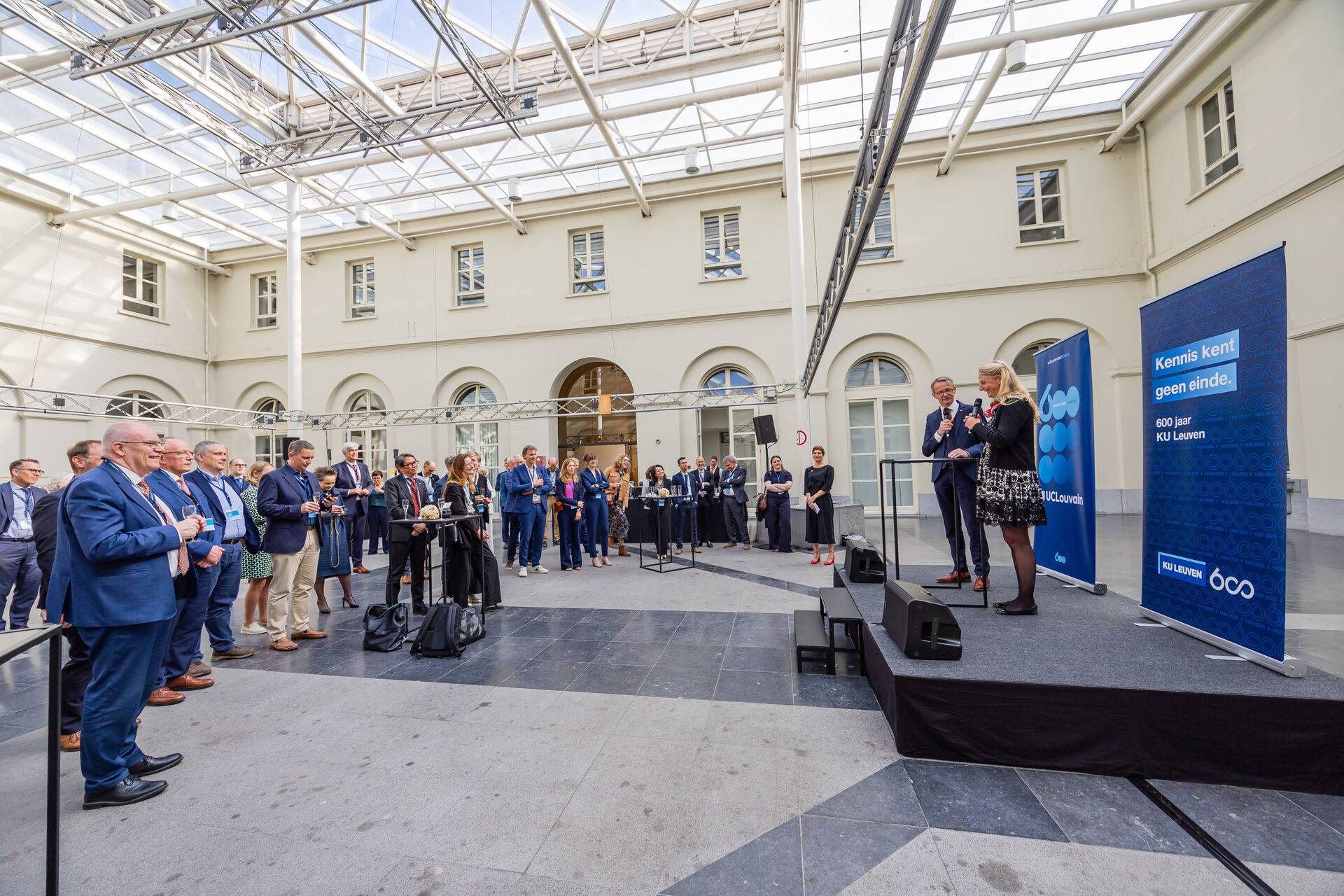
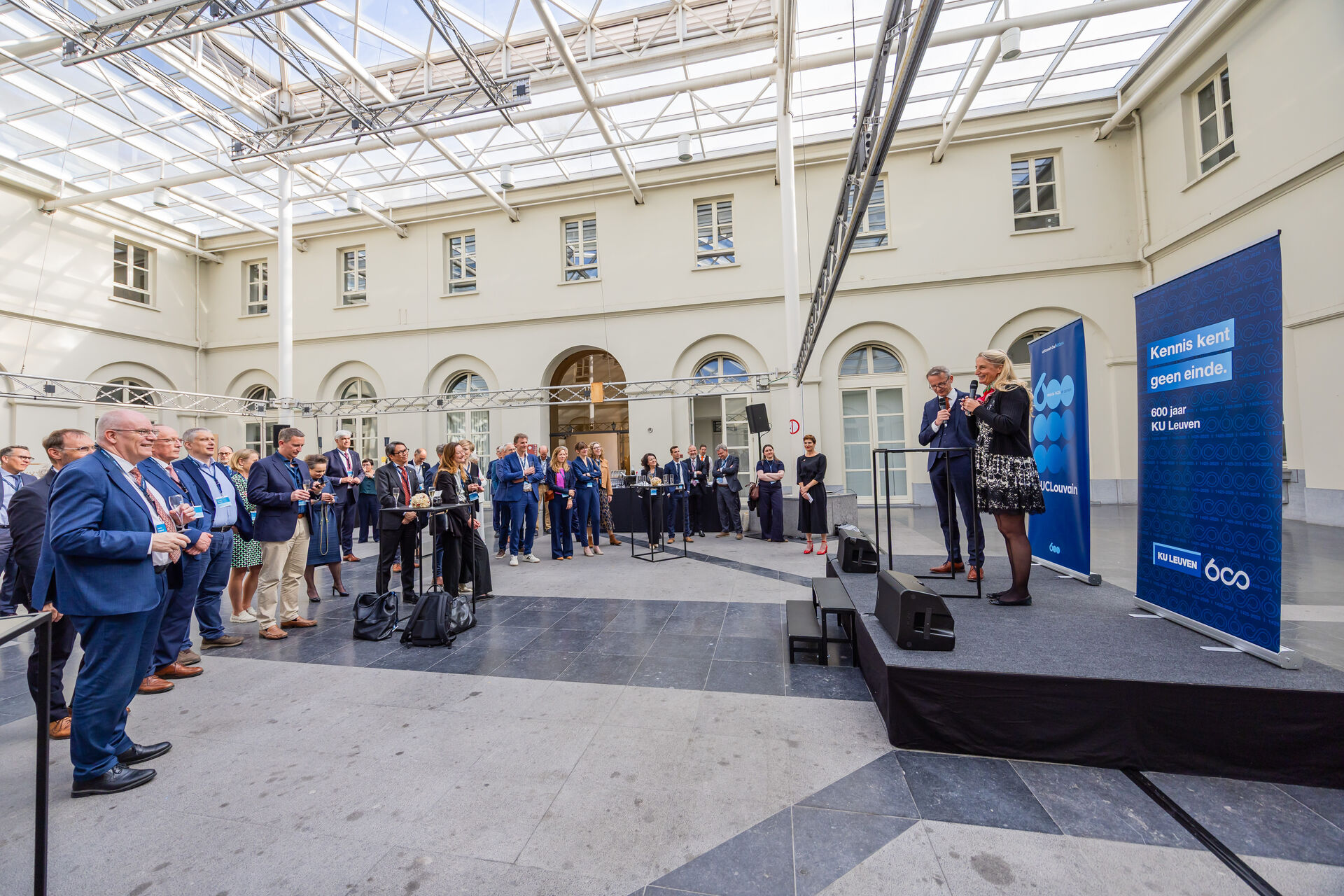
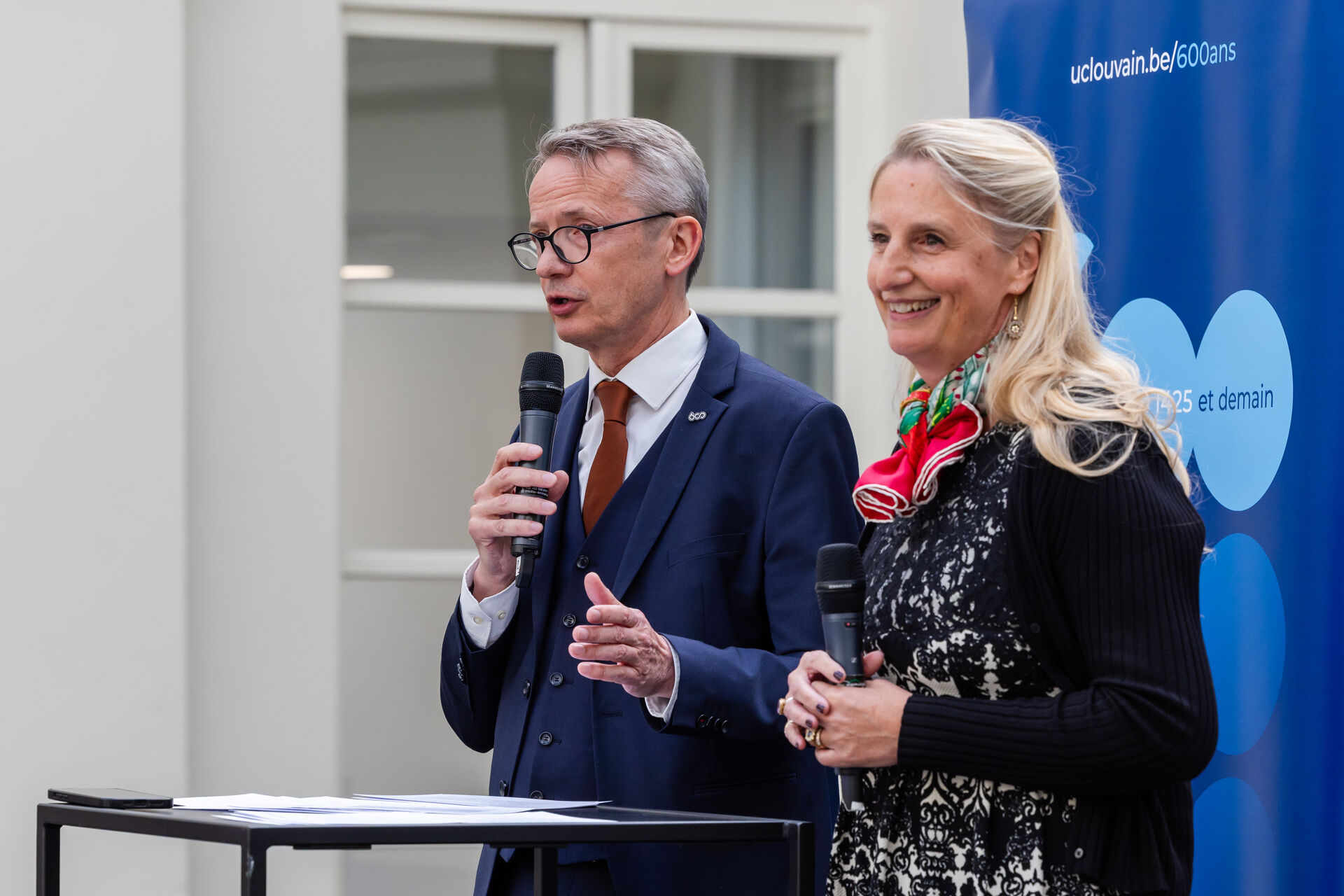
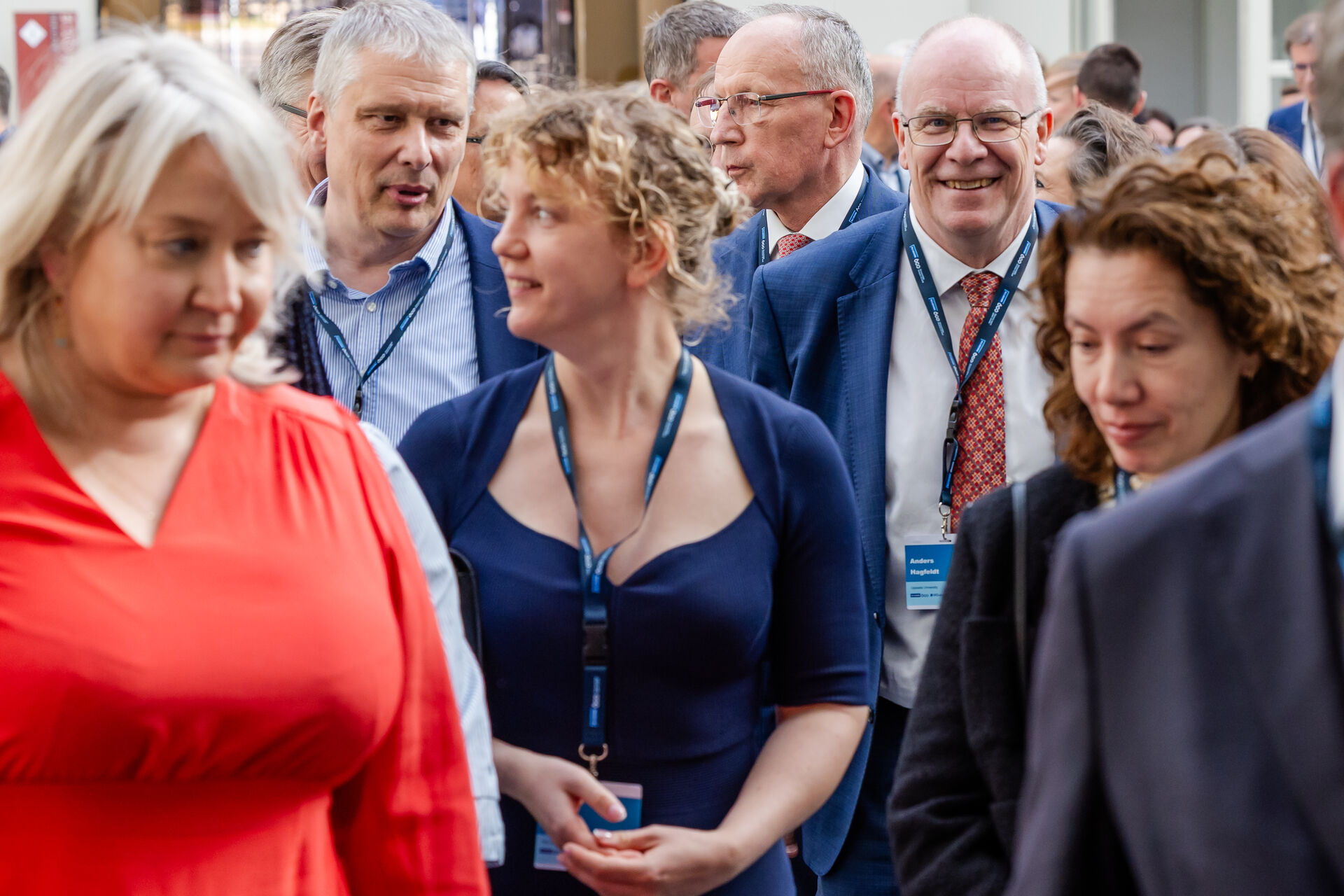
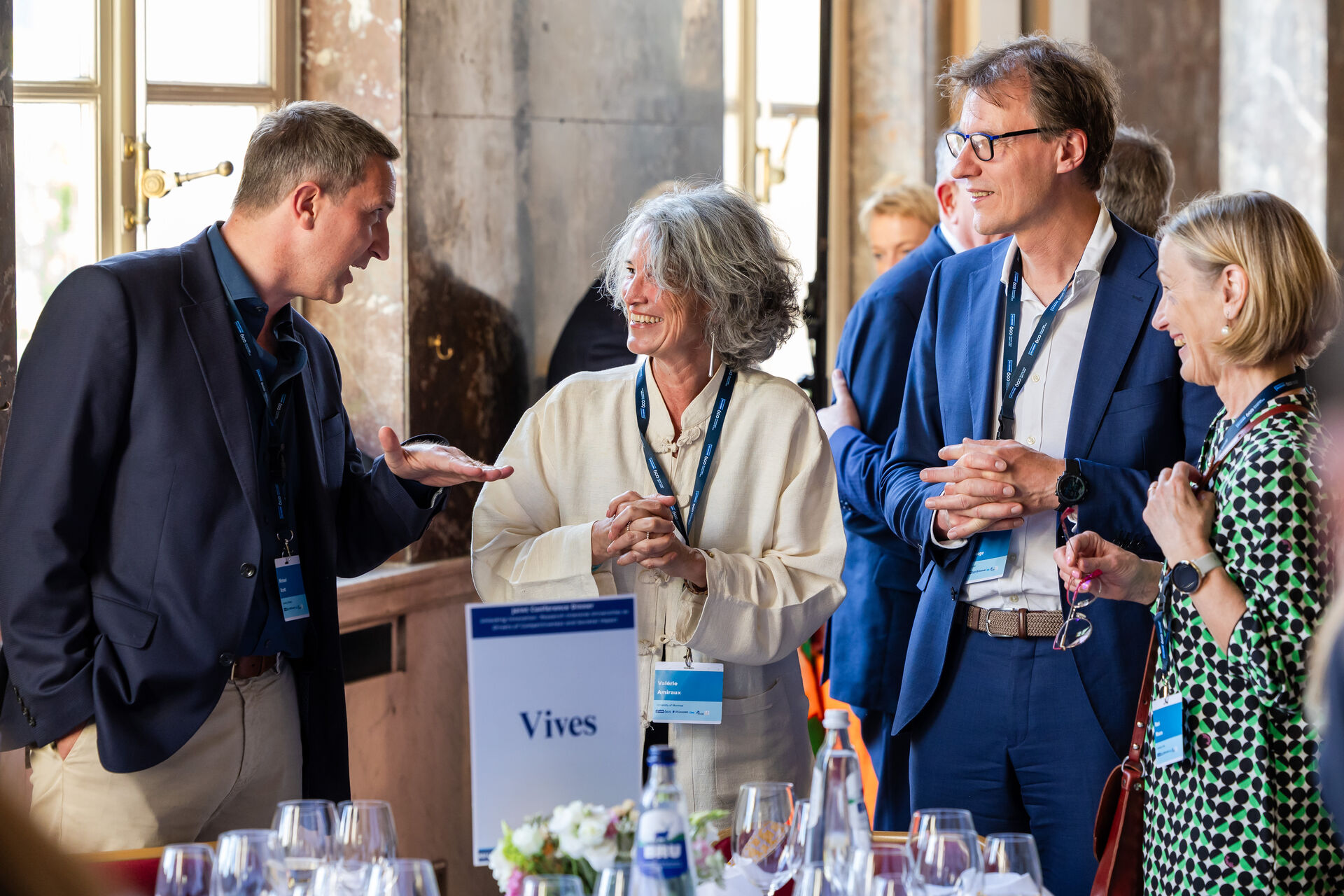
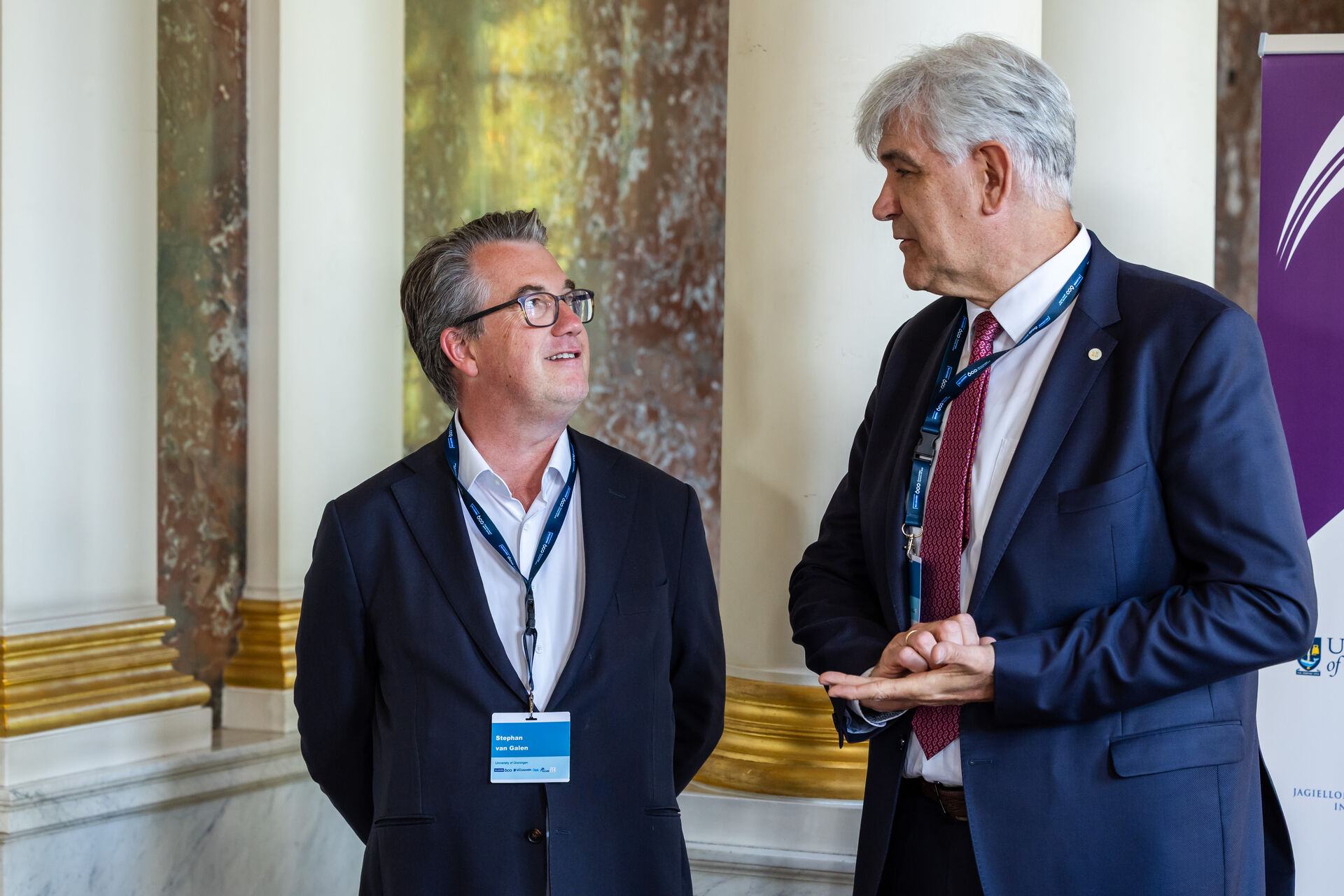
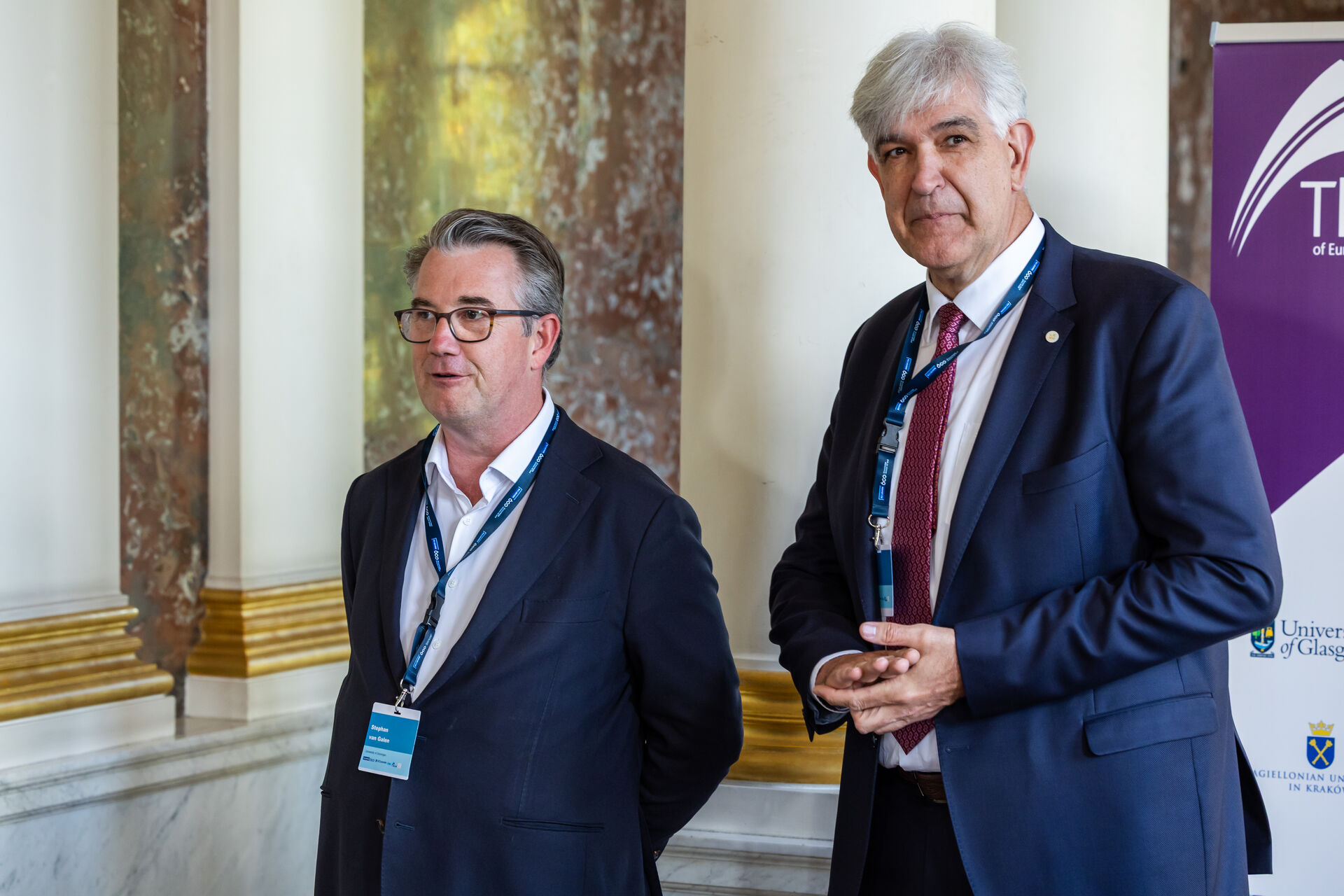
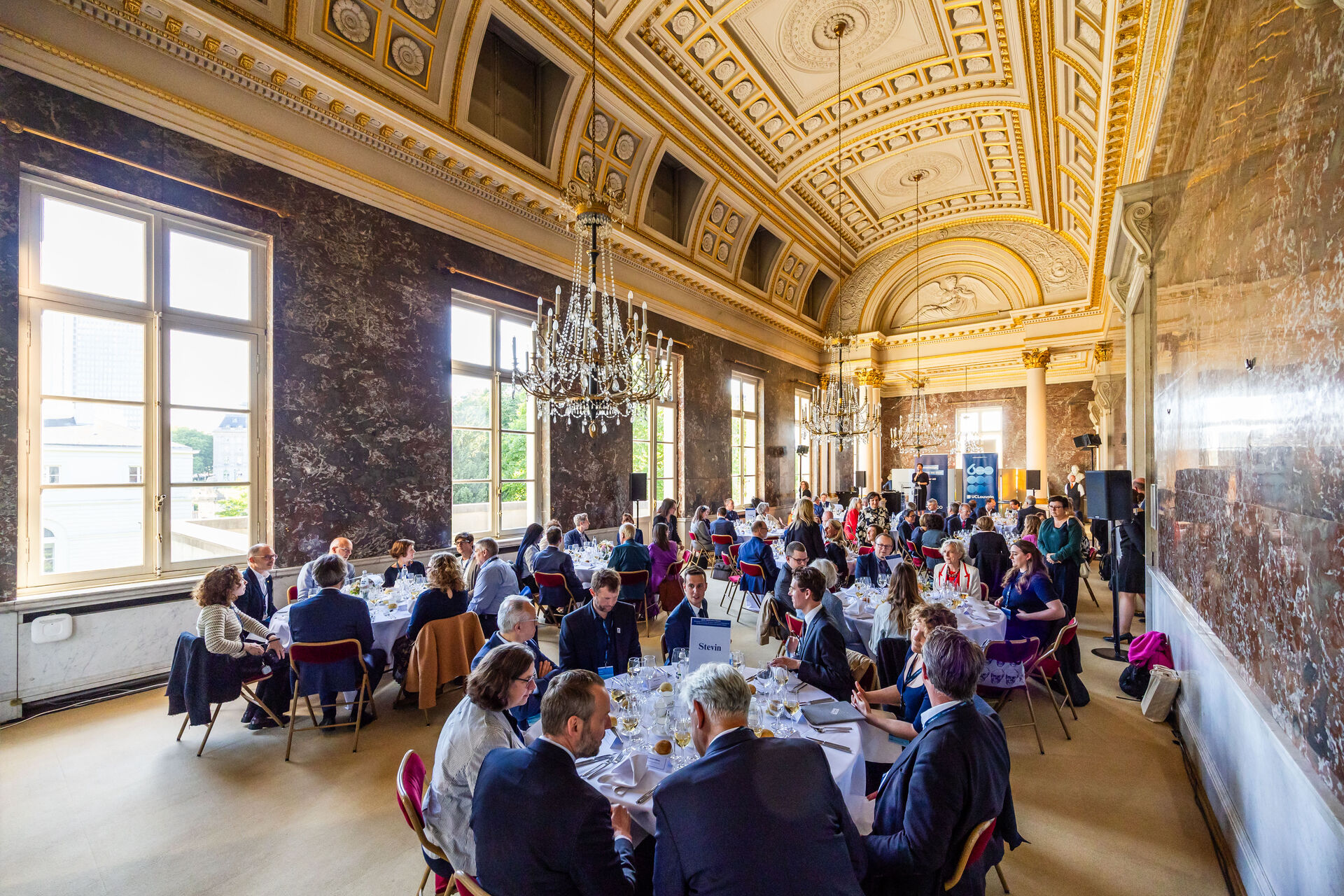

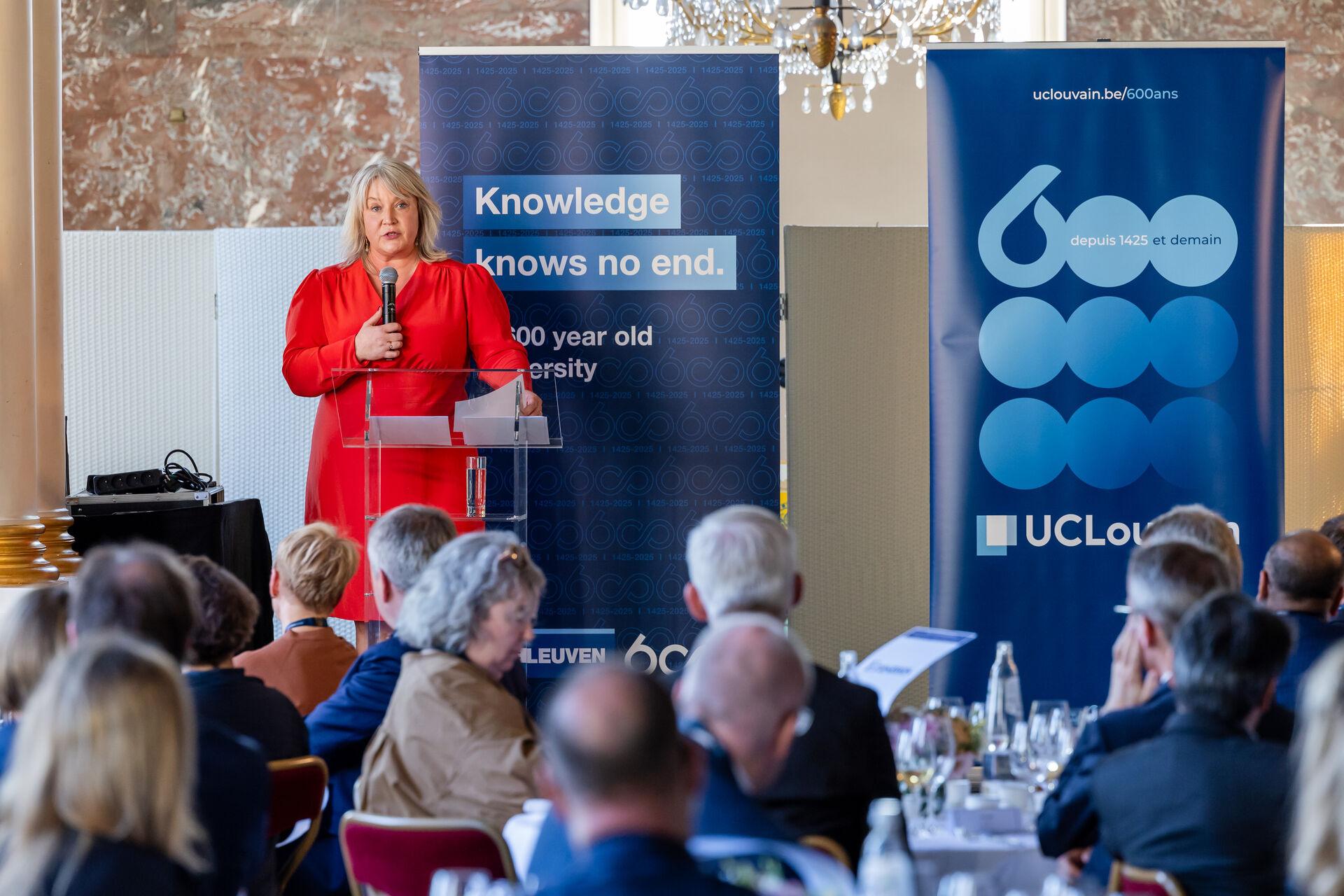
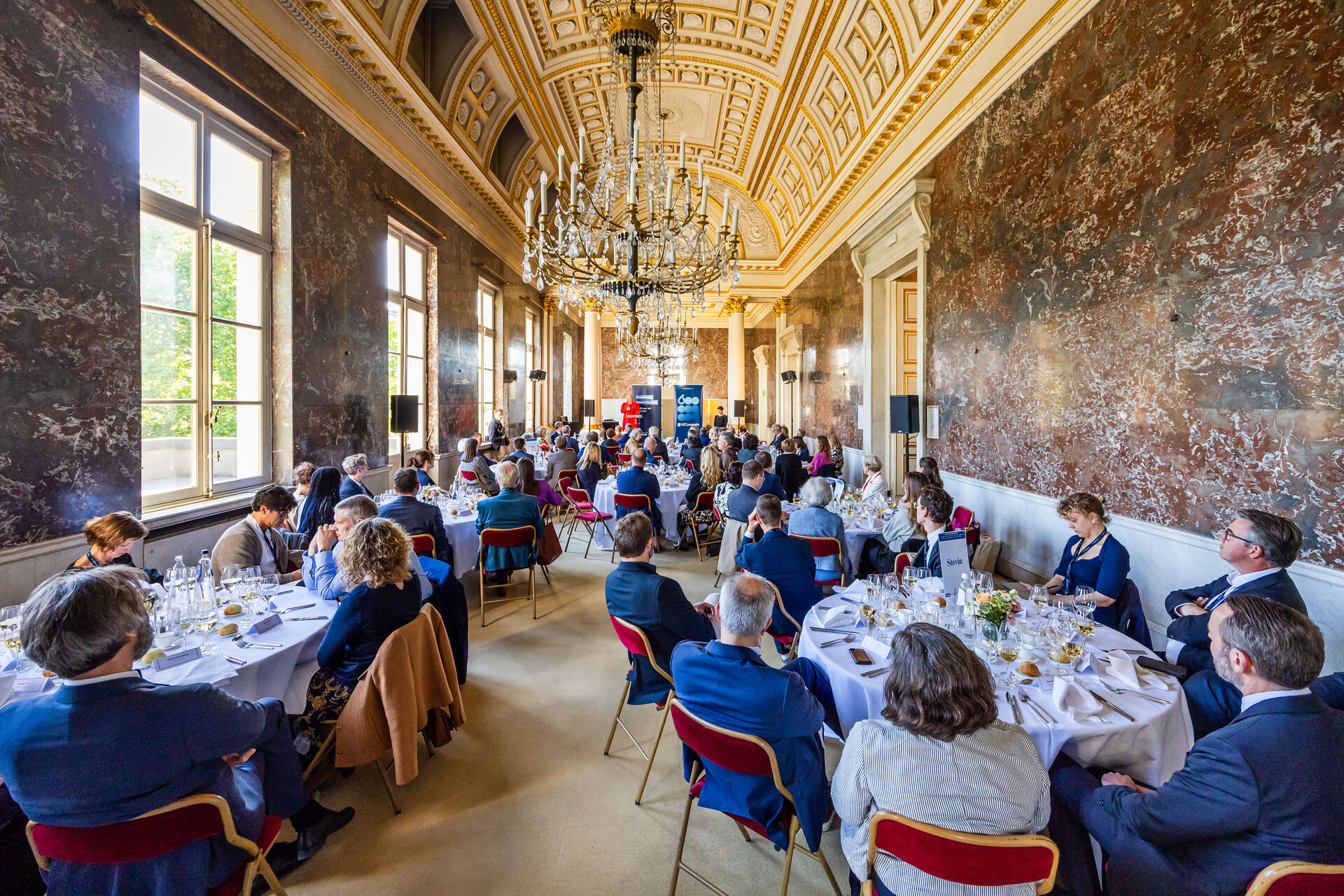
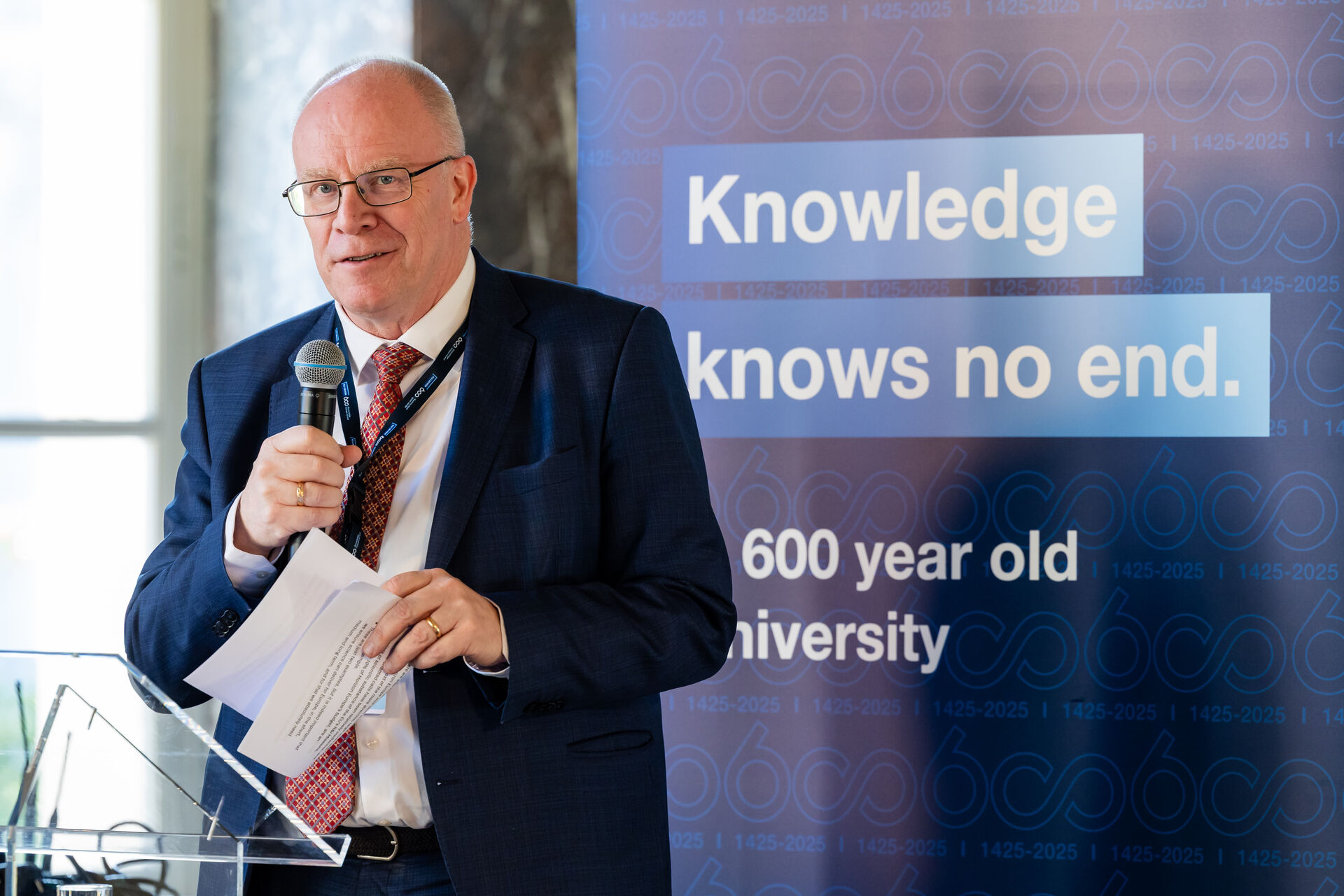
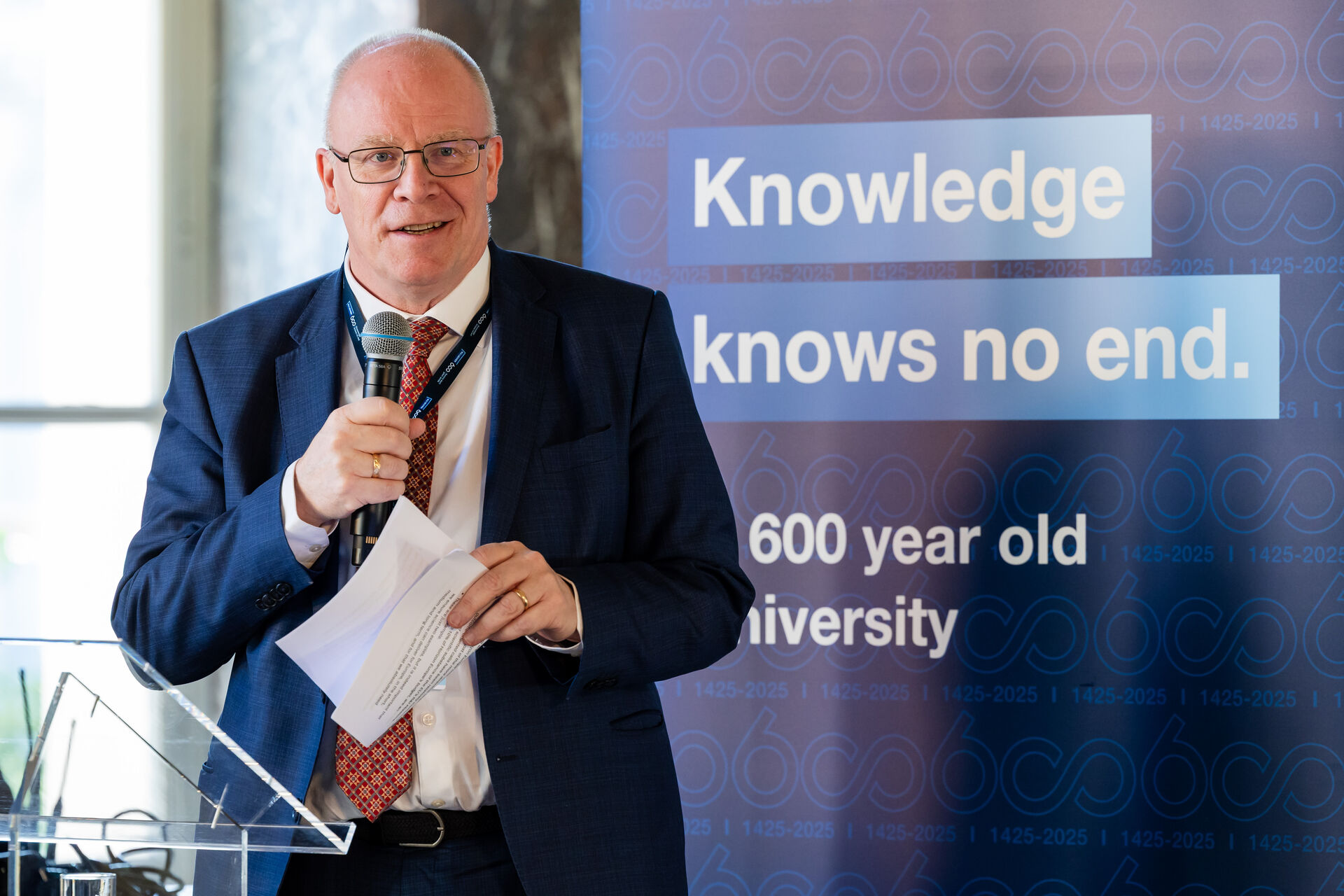
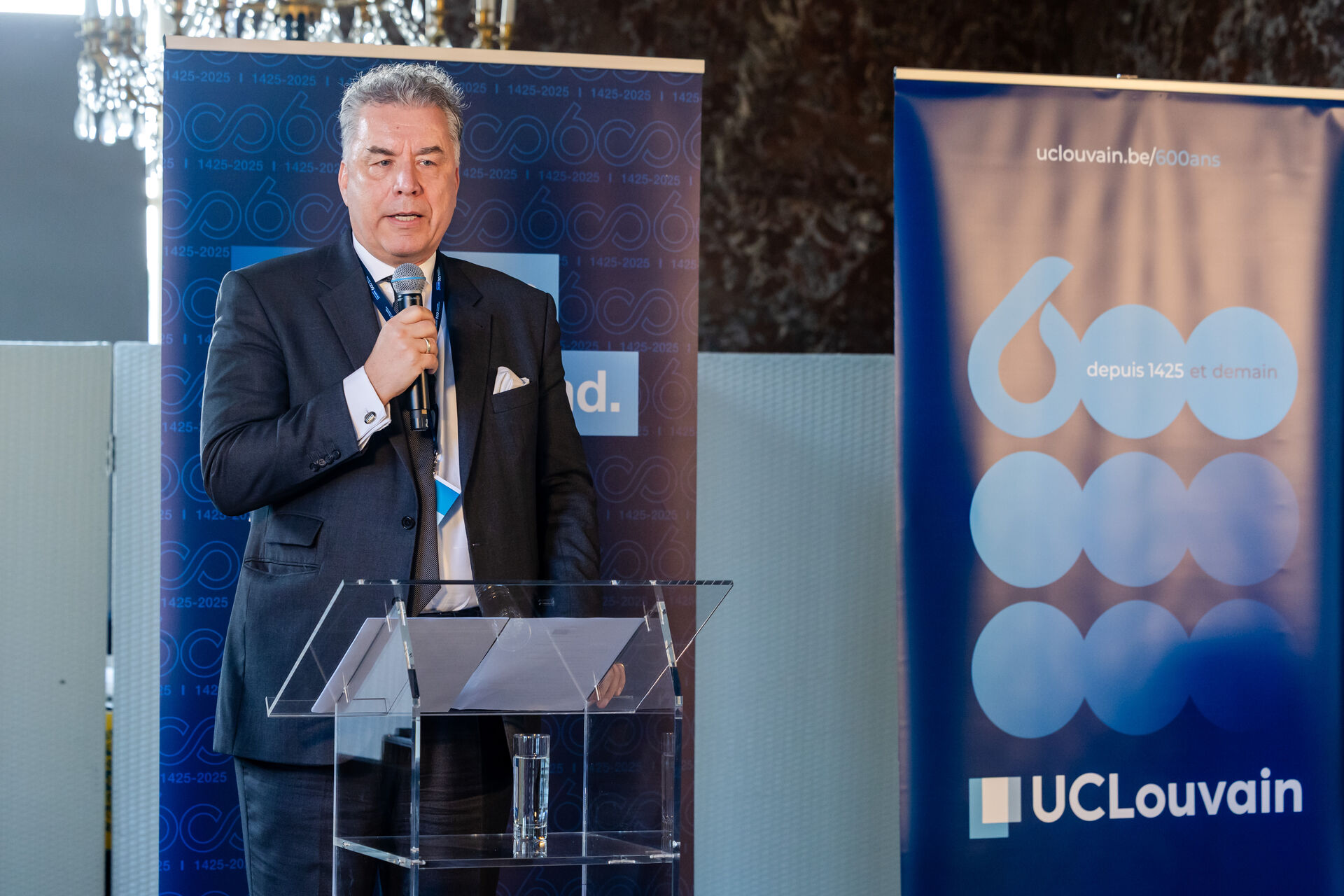
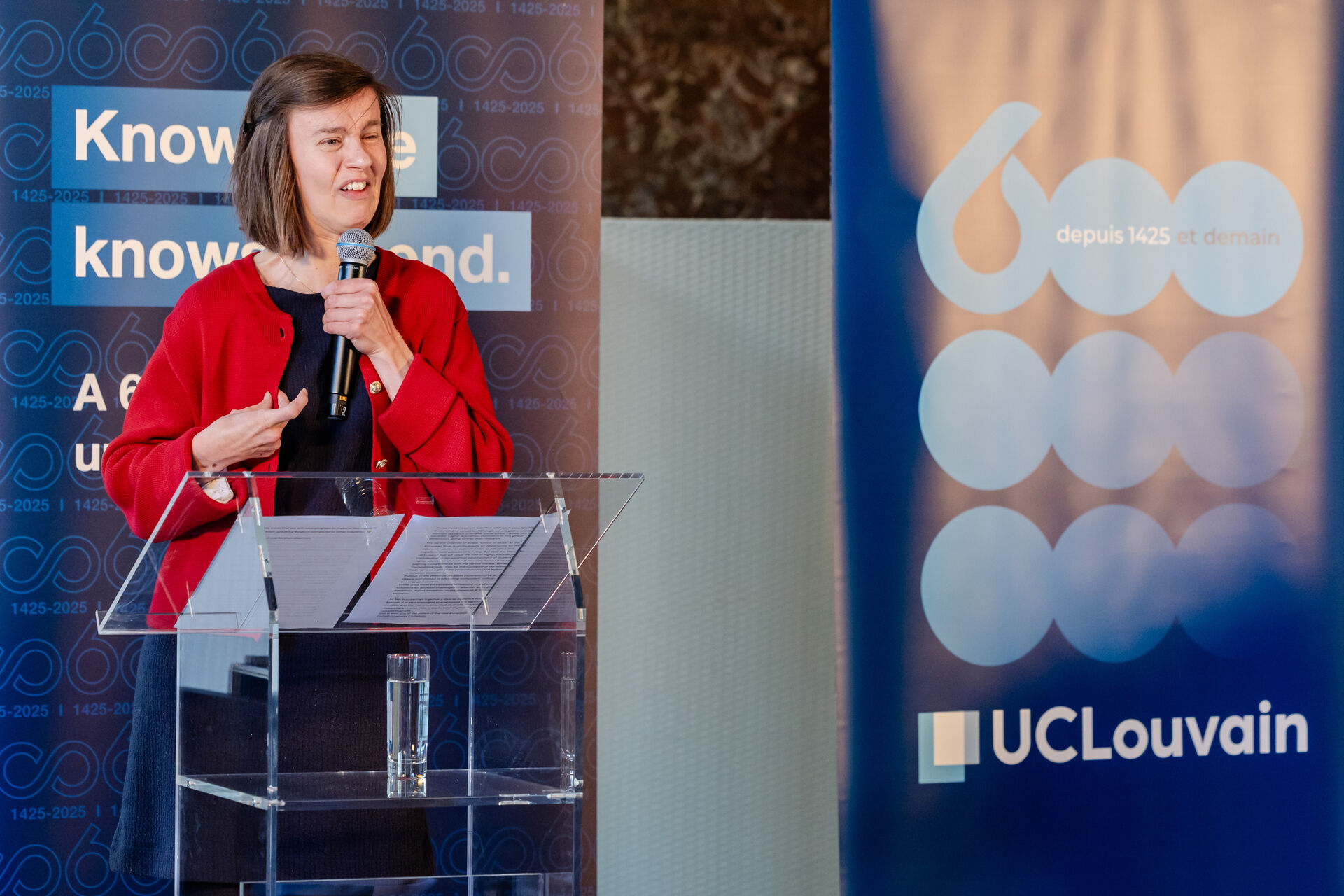
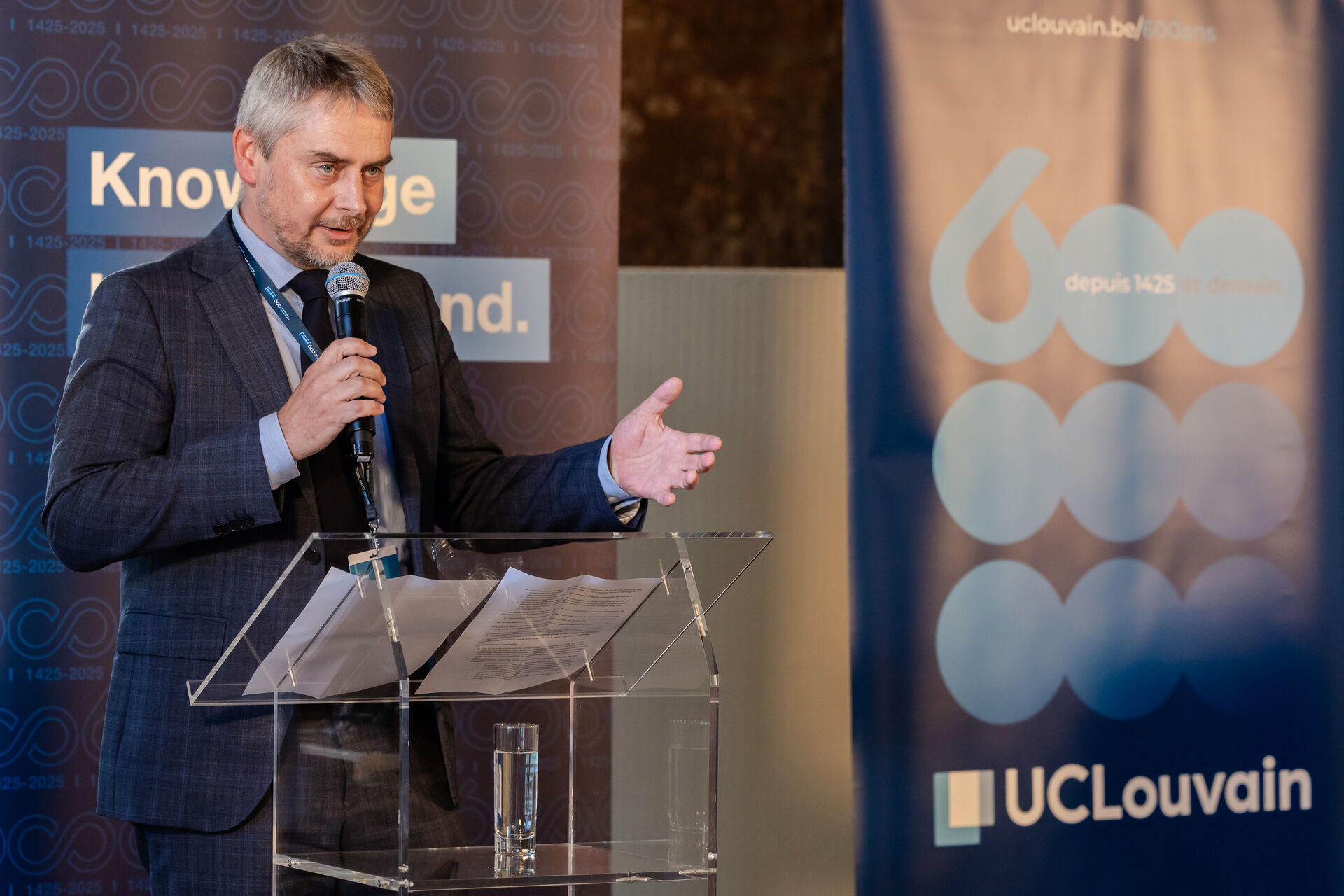
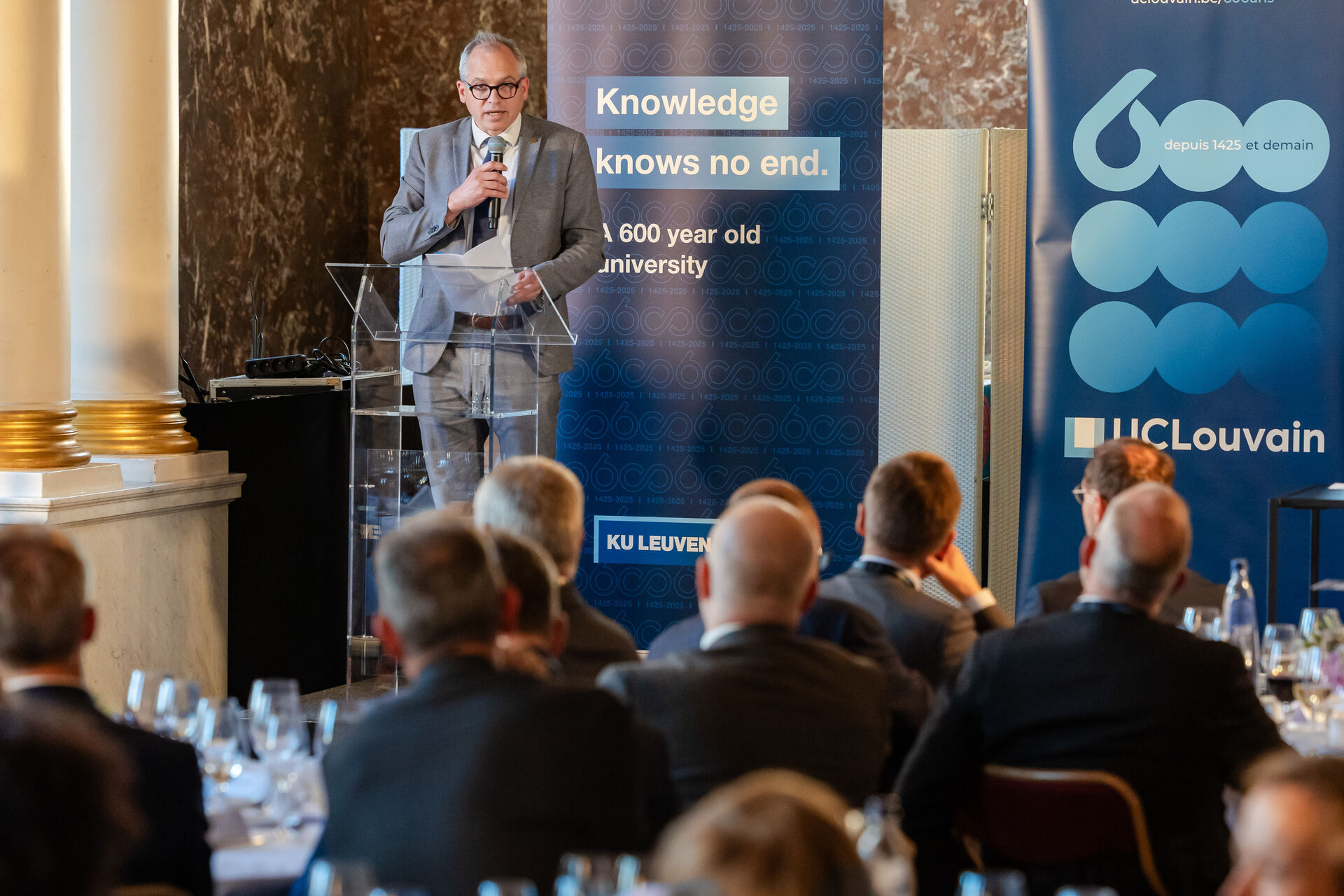
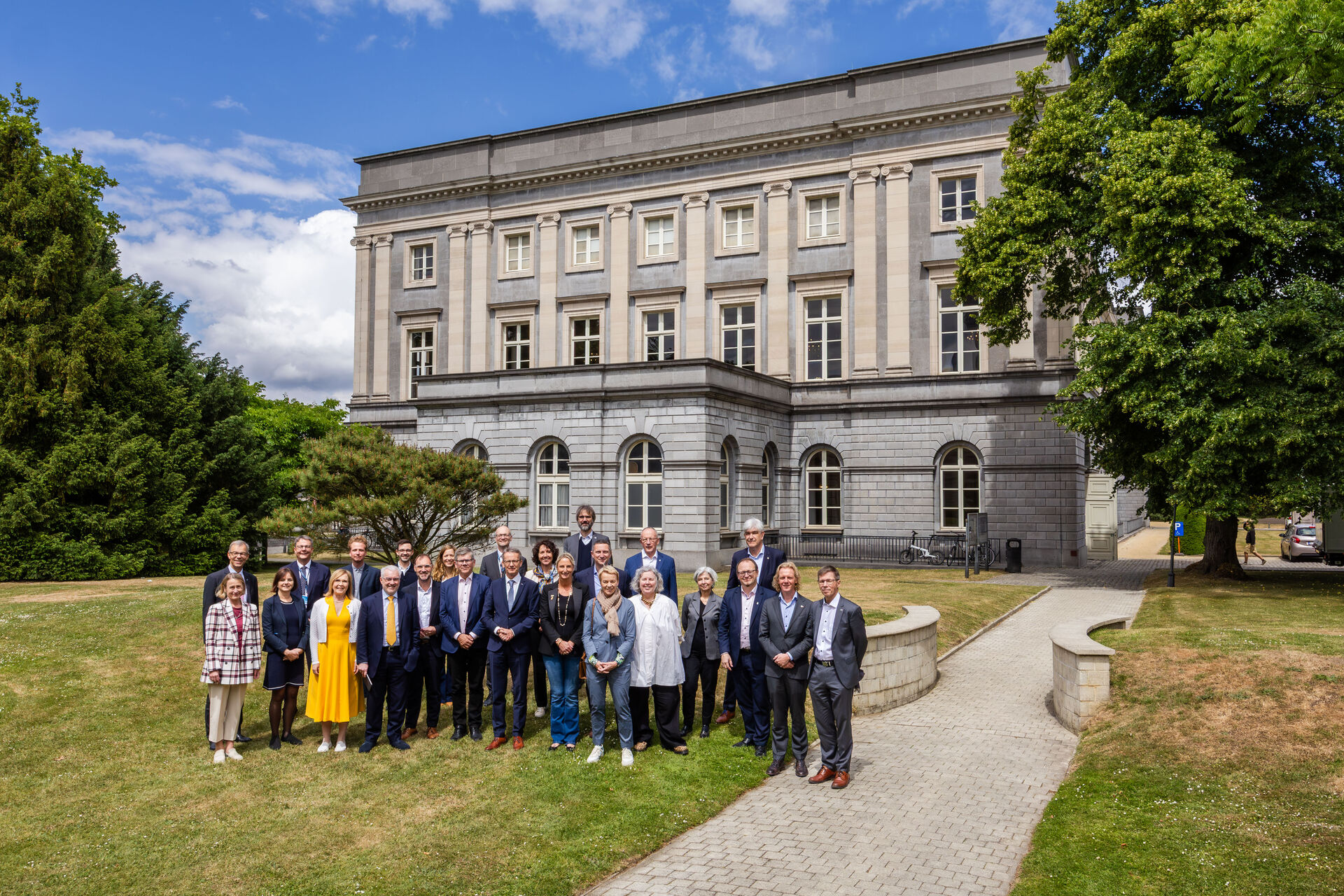


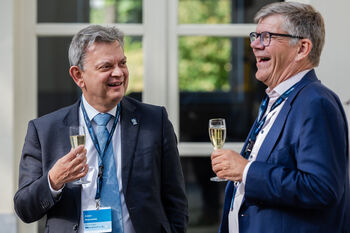
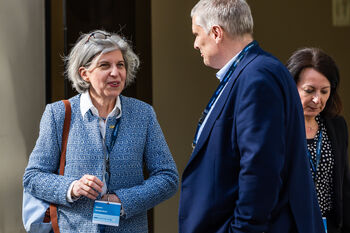

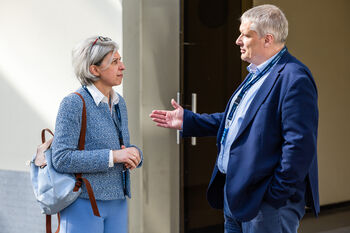
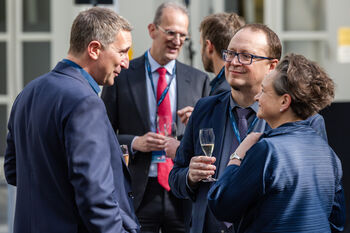
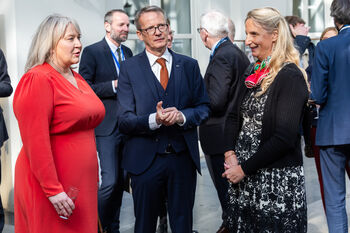
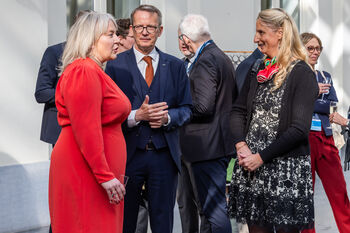
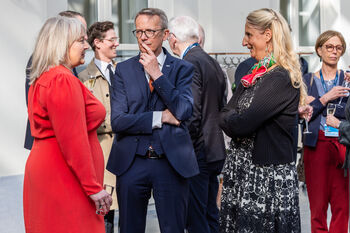
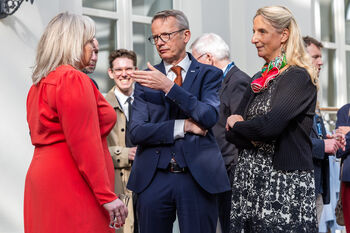
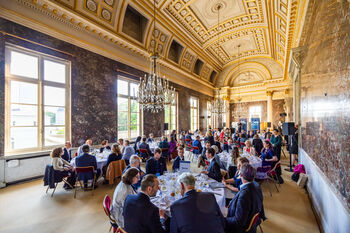
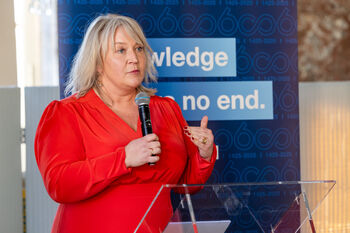
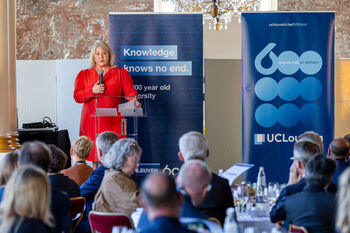
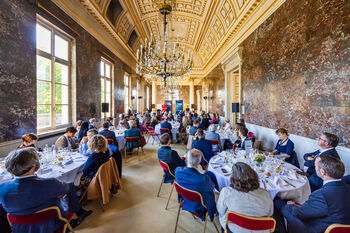
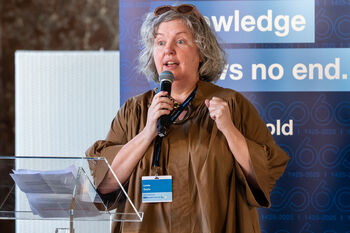
Photo credits: © Geert Vanden Wijngaert