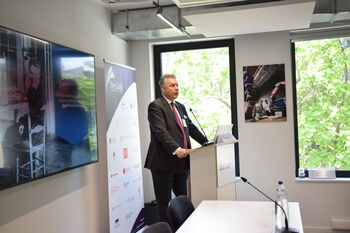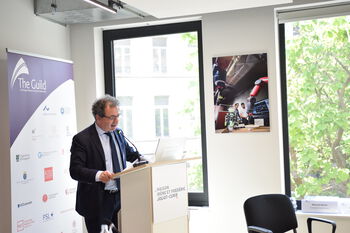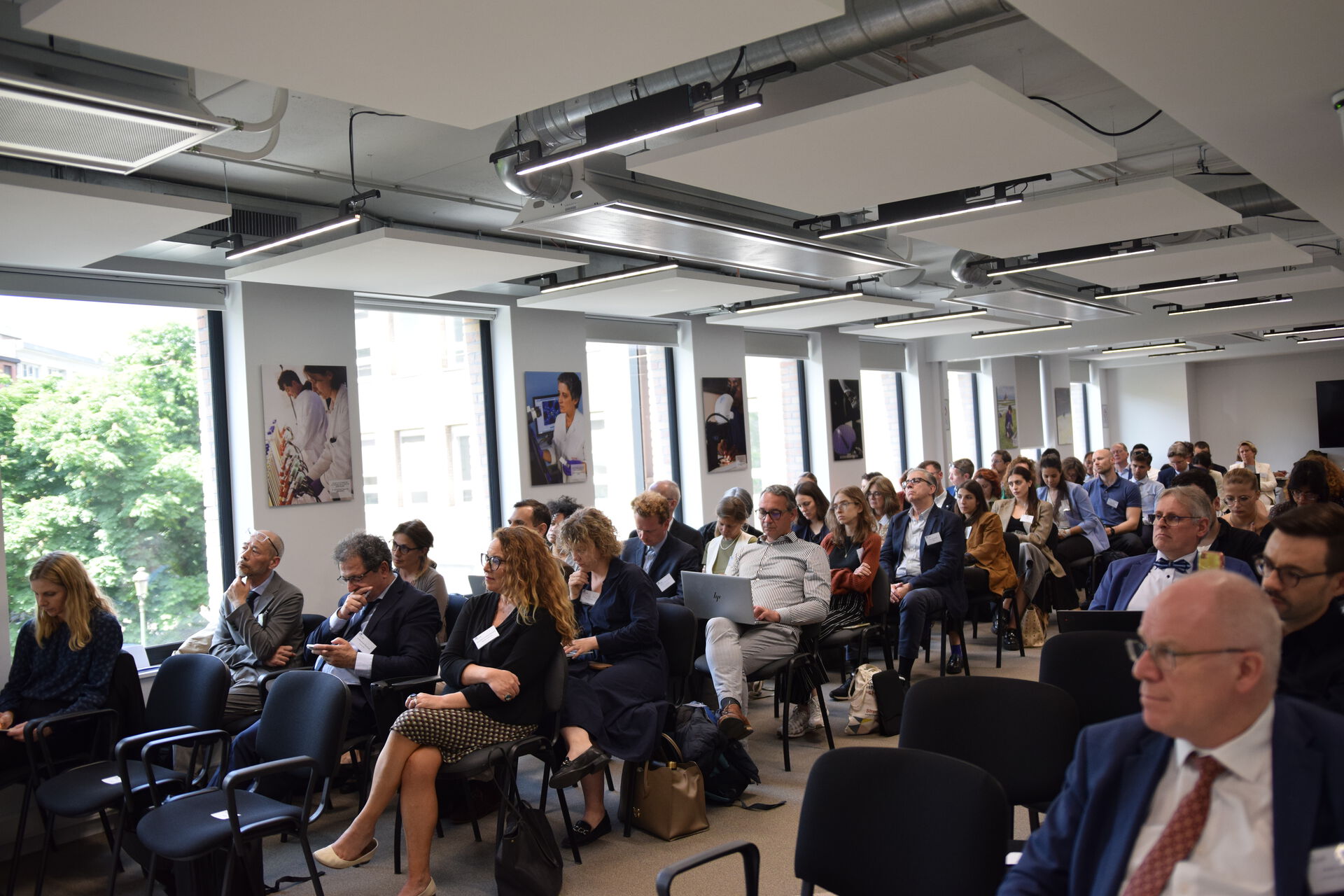
Opening the discussion, Renaud Huyhn, Director of Musée Curie, highlighted the critical importance of academic freedom and transatlantic research collaboration in Marie Skłodowska-Curie's research breakthroughs. On 20 May 1921, she indeed received from the US President the gram of radium that helped us make her important discoveries on radiation back in Europe.
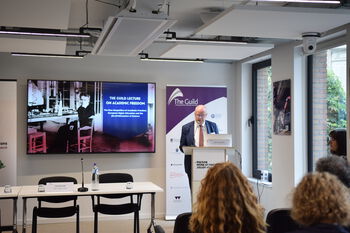
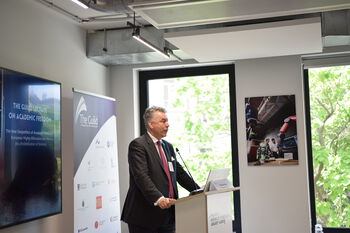
In a following welcome address, MEP Christian Ehler stressed that academic freedom, not competitiveness, lies at the heart of Europe. He argued that the EU must provide stronger legal guarantees for academic freedom, calling for a self-standing legal act other than the announced European Research Area (ERA) Act and urging the research community to play a central role in shaping it. Academic freedom, he said, is not only essential for scientific excellence but also vital for democracy itself. Ehler also reaffirmed his support for a robust, well-resourced EU programme to support researchers at risk, regardless of where they come from.
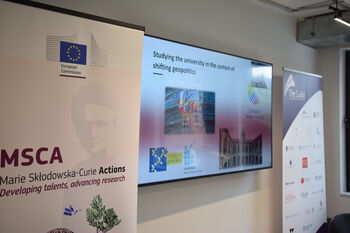
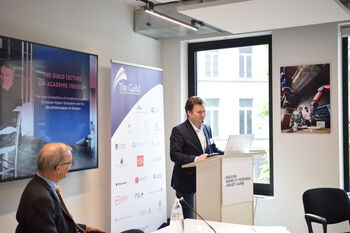
The keynote address by Katja Brøgger (Aarhus University) explored the new geopolitics of higher education, noting that universities are increasingly caught in the crossfire of global power struggles. She highlighted how political interference and government overreach are now threatening academic freedom even in liberal democracies, not just in authoritarian regimes. Her analysis helped frame the stakes for Europe’s academic institutions. She cited concerning developments in Denmark and the US, where research is being undermined under the guise of national security or political correctness, especially in fields like gender studies and biology.
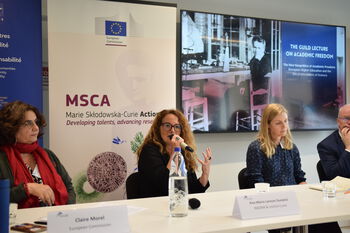
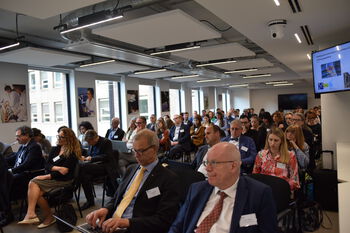
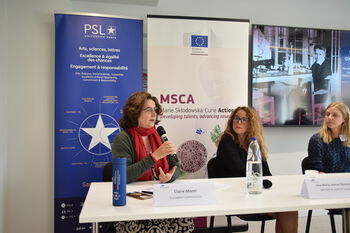
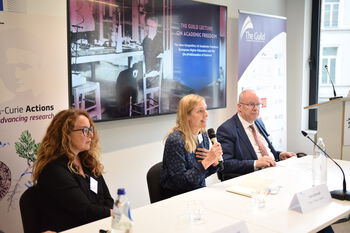
During the panel discussion moderated by Jan Palmowski, voices from academia and EU institutions discussed Europe’s role in safeguarding scholars at risk. Ana-Maria Lennon Duménil (INSERM & Institut Curie), Claire Morel (European Commission), Clare Birchall (King’s College London), and Anders Hagfeldt (Uppsala University) explored practical solutions for protecting academic freedom. During the panel, they addressed the growing political pressures on universities and highlighted the central role of Marie Skłodowska-Curie Actions (MSCA) in supporting at-risk researchers and defending academic integrity through the EU’s research programmes and initiatives such as Choose Europe.
Participants discussed Europe’s potential as a sanctuary for global researchers, with Ehler announcing hopes for a €500 million programme under FP10 to support scholars at risk. Anders Hagfeldt stressed that both excellence and protection must be at the heart of European research policy.
Several speakers, including Clare Birchall), warned against the weaponisation of free speech and the rise of conspiracy-driven narratives that distort scientific discourse. Effective science communication and public engagement were deemed essential to counter mistrust and misinformation.
Manuel Aleixo (European Commission) clarified that the EU has been preparing for such challenges long before recent US events, noting that freedom of scientific research is key to the success of the ERA and Europe's innovation agenda. He also stated that the European Commission is currently preparing the ERA Act as a legislative instrument, expected to be published in the second half of 2026. He stressed that the freedom of scientific research is not only about the protection of values, it is also about doing good science and having proper R&I infrastructures to do so.
In his closing remarks, El Mouhoub Mouhoud, President of Université PSL, underlined the need for ongoing engagement and vigilance in defending academic freedom. He formally announced that The Guild will host this lecture annually to provide a dedicated space for dialogue between researchers and policymakers on the future of academic freedom in Europe and globally.
As global tensions escalate, the message was clear: Europe must lead the defense of academic freedom, not only for its own researchers but as a beacon for scholars worldwide. The event served as both a wake-up call and a roadmap for action, reminding all that democracy, scientific integrity, and international cooperation are inseparable.
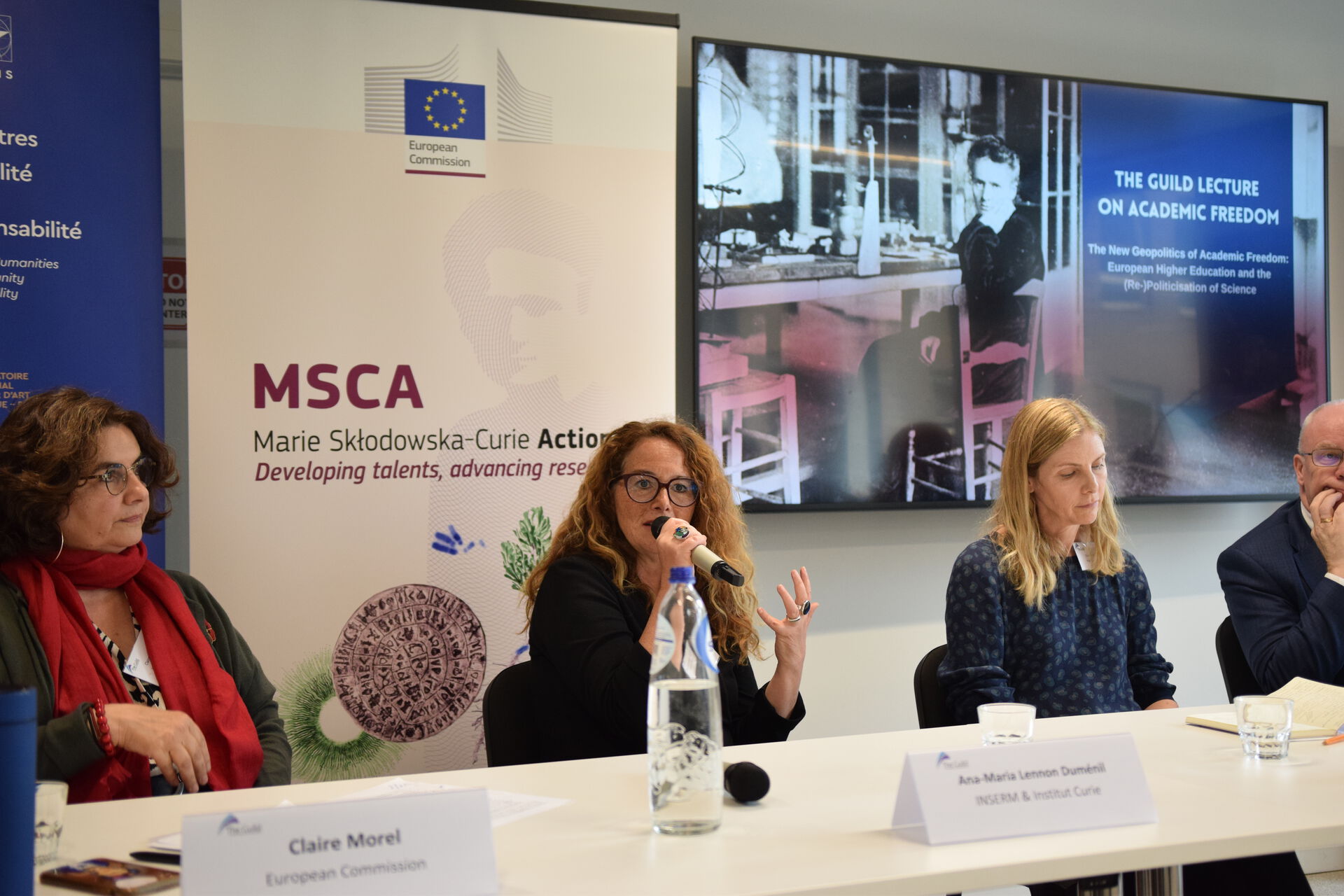
Photo: © The Guild of European Research-Intensive Universities
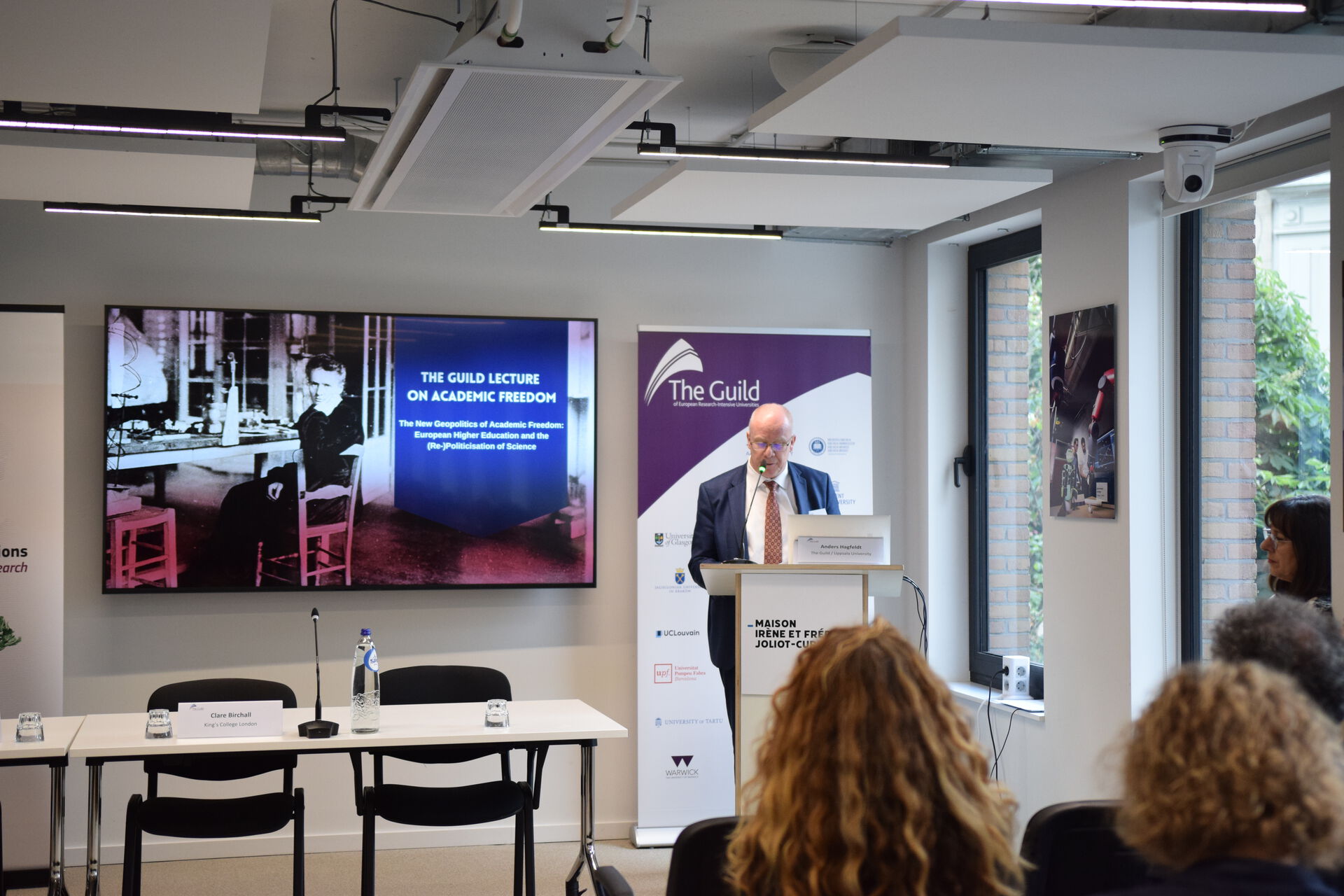
Photo: © The Guild of European Research-Intensive Universities
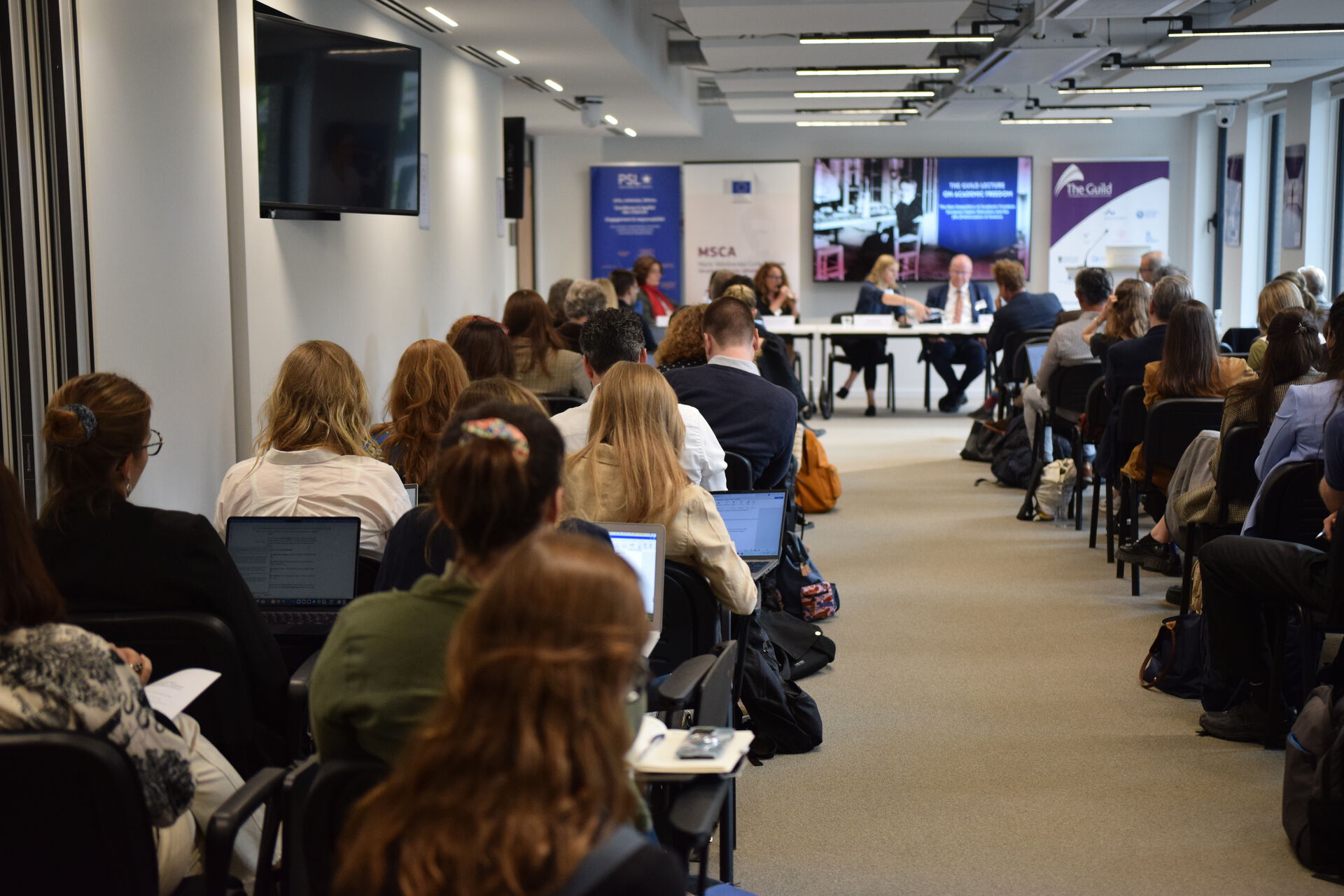
Photo: © The Guild of European Research-Intensive Universities

Photo: © The Guild of European Research-Intensive Universities
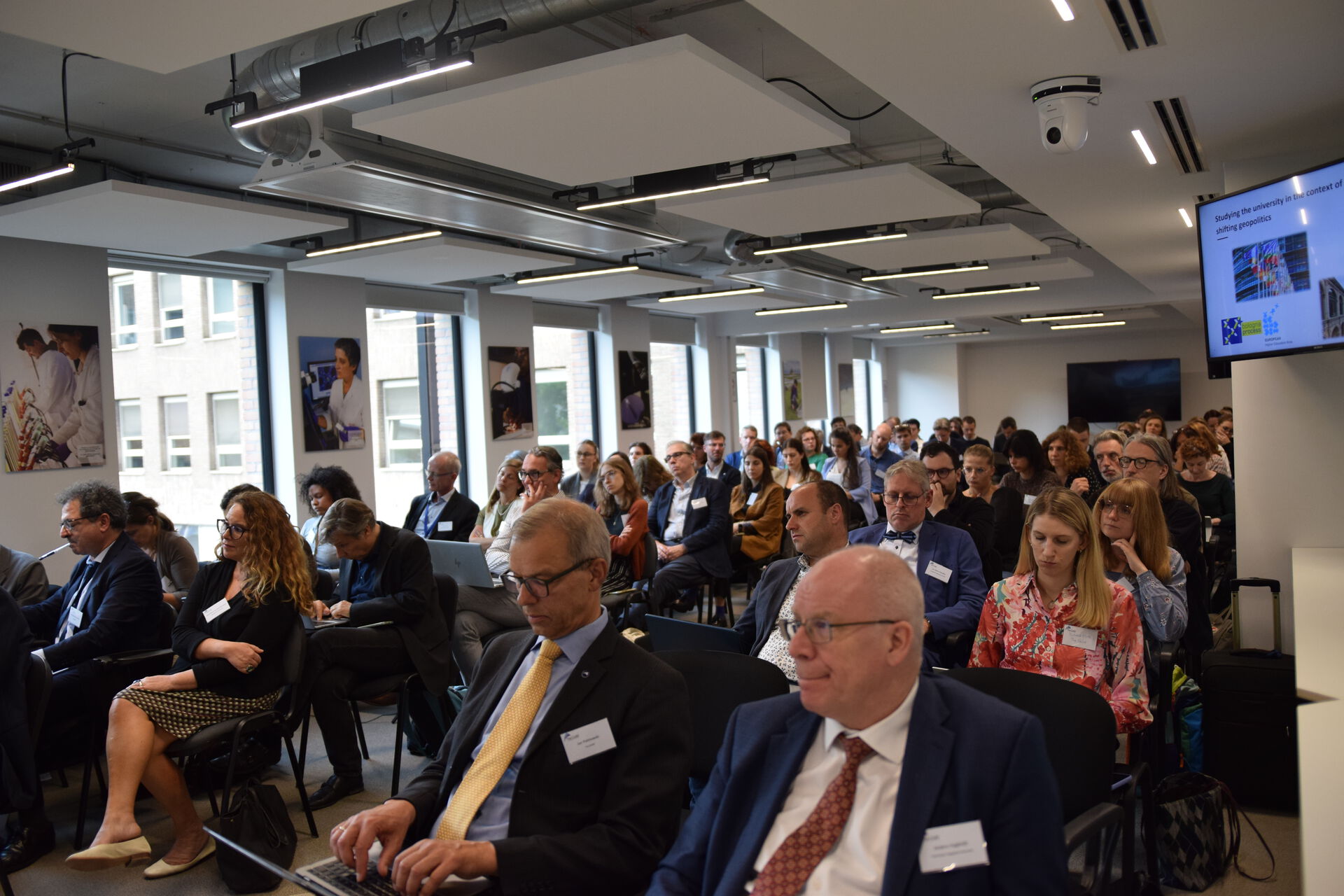
Photo: © The Guild of European Research-Intensive Universities
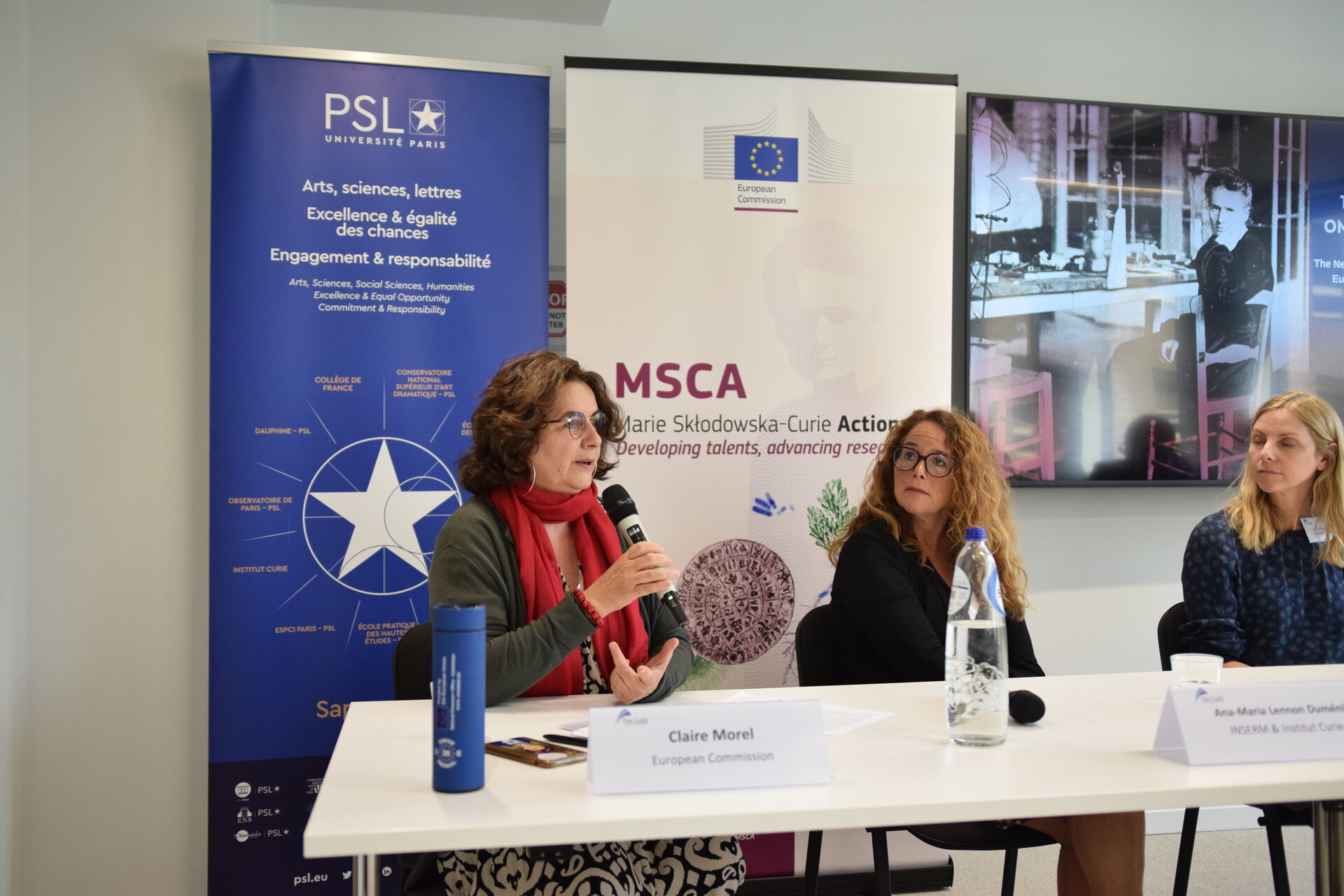
Photo: © The Guild of European Research-Intensive Universities
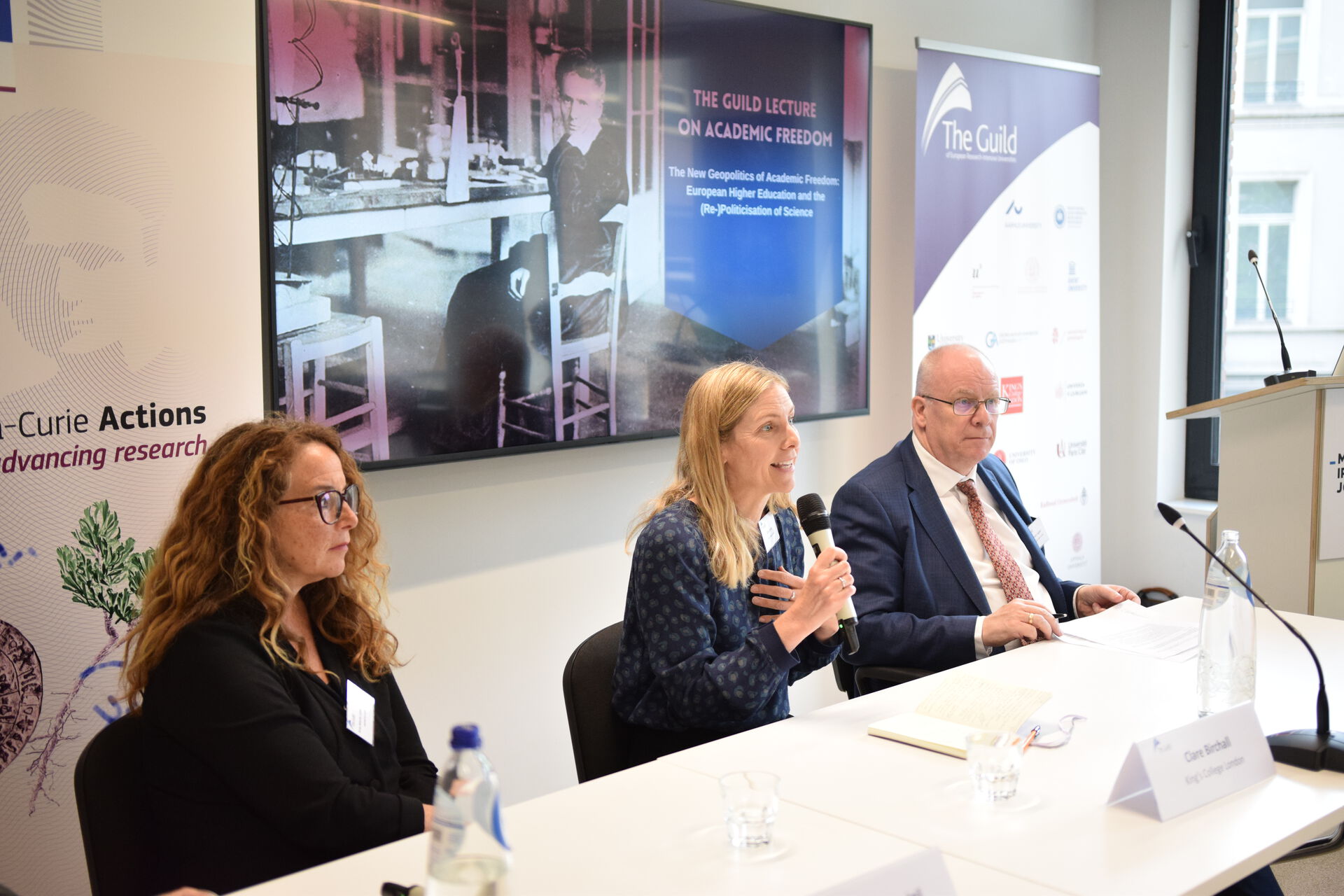
Photo: © The Guild of European Research-Intensive Universities
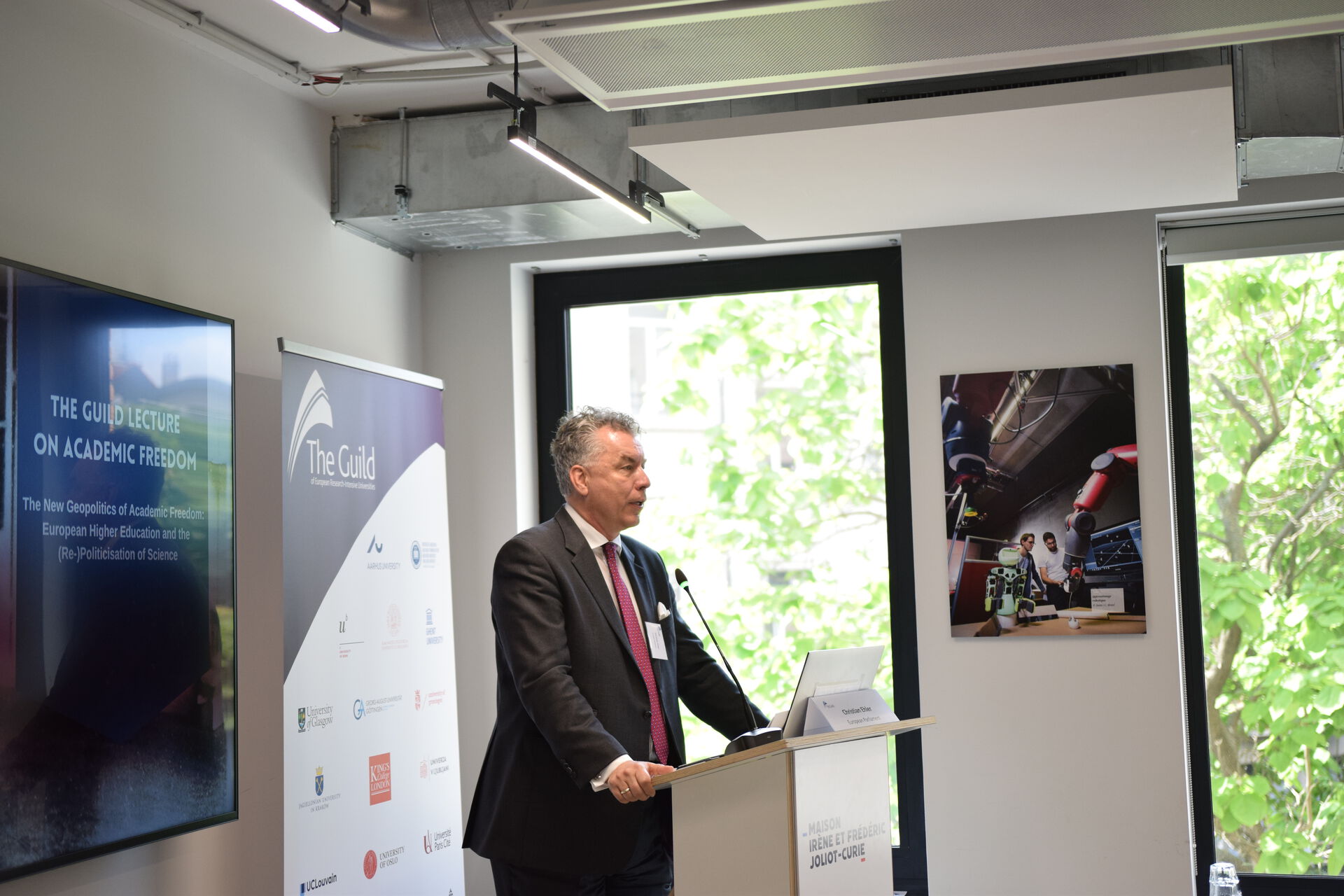
Photo: © The Guild of European Research-Intensive Universities
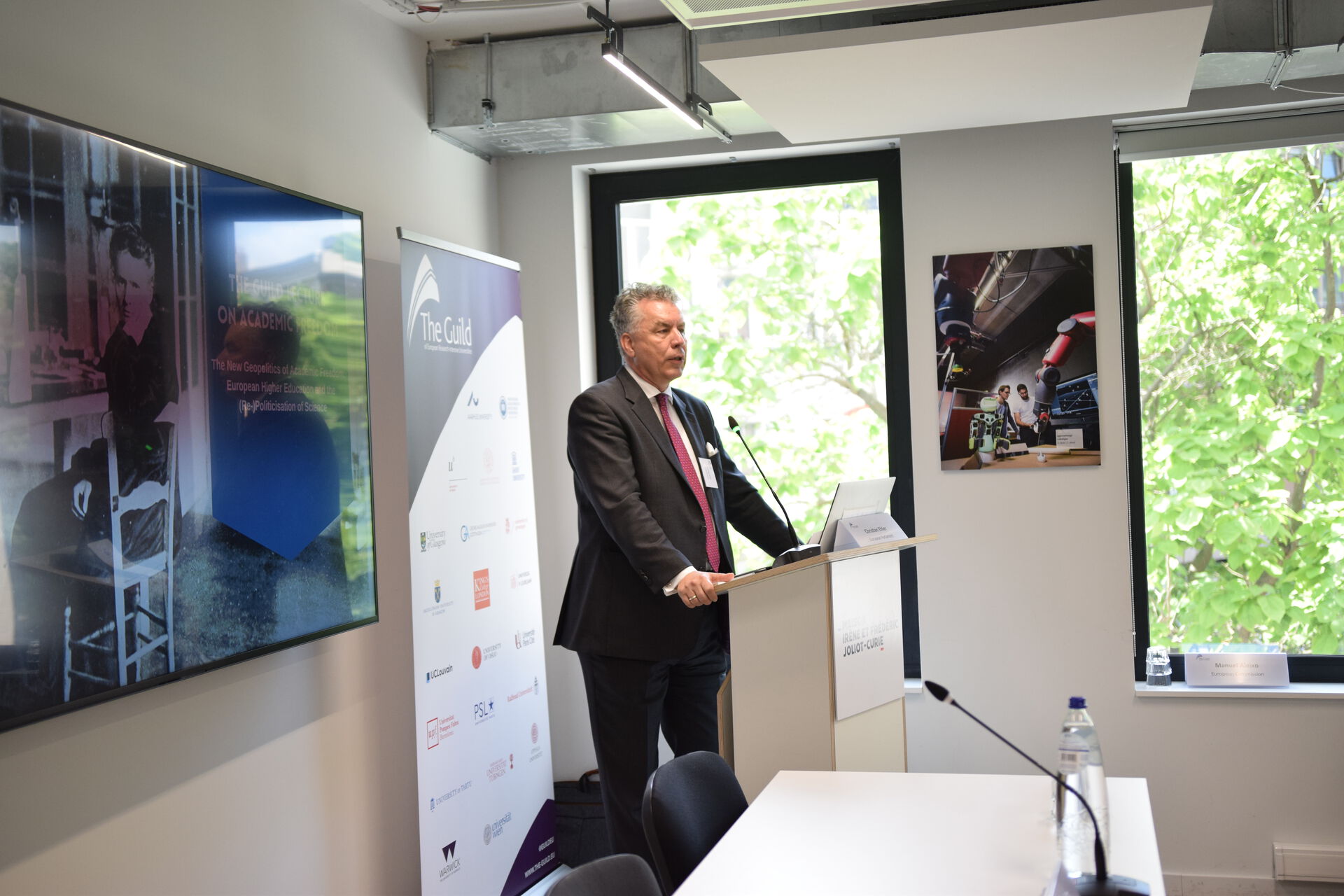
Photo: © The Guild of European Research-Intensive Universities
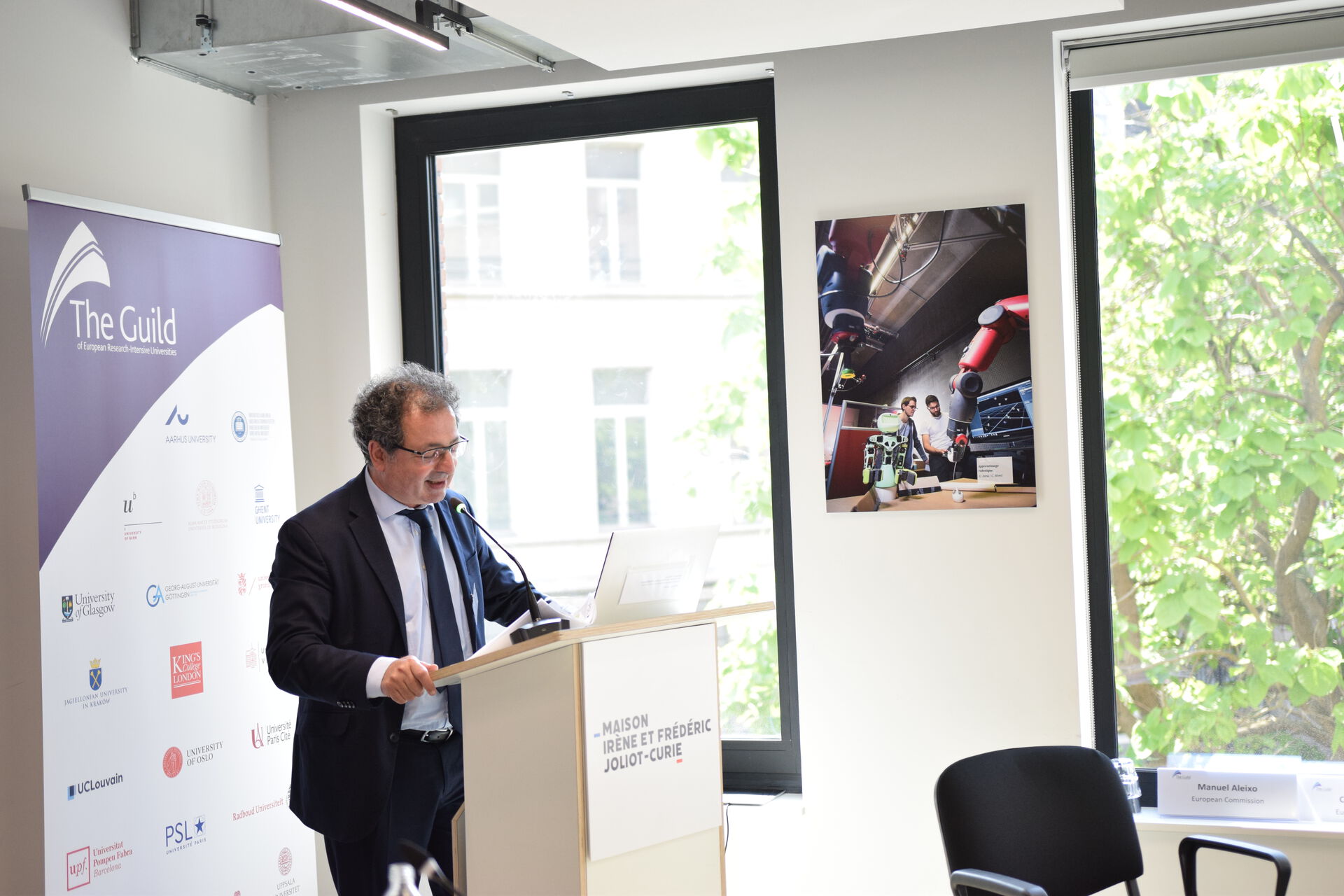
Photo: © The Guild of European Research-Intensive Universities
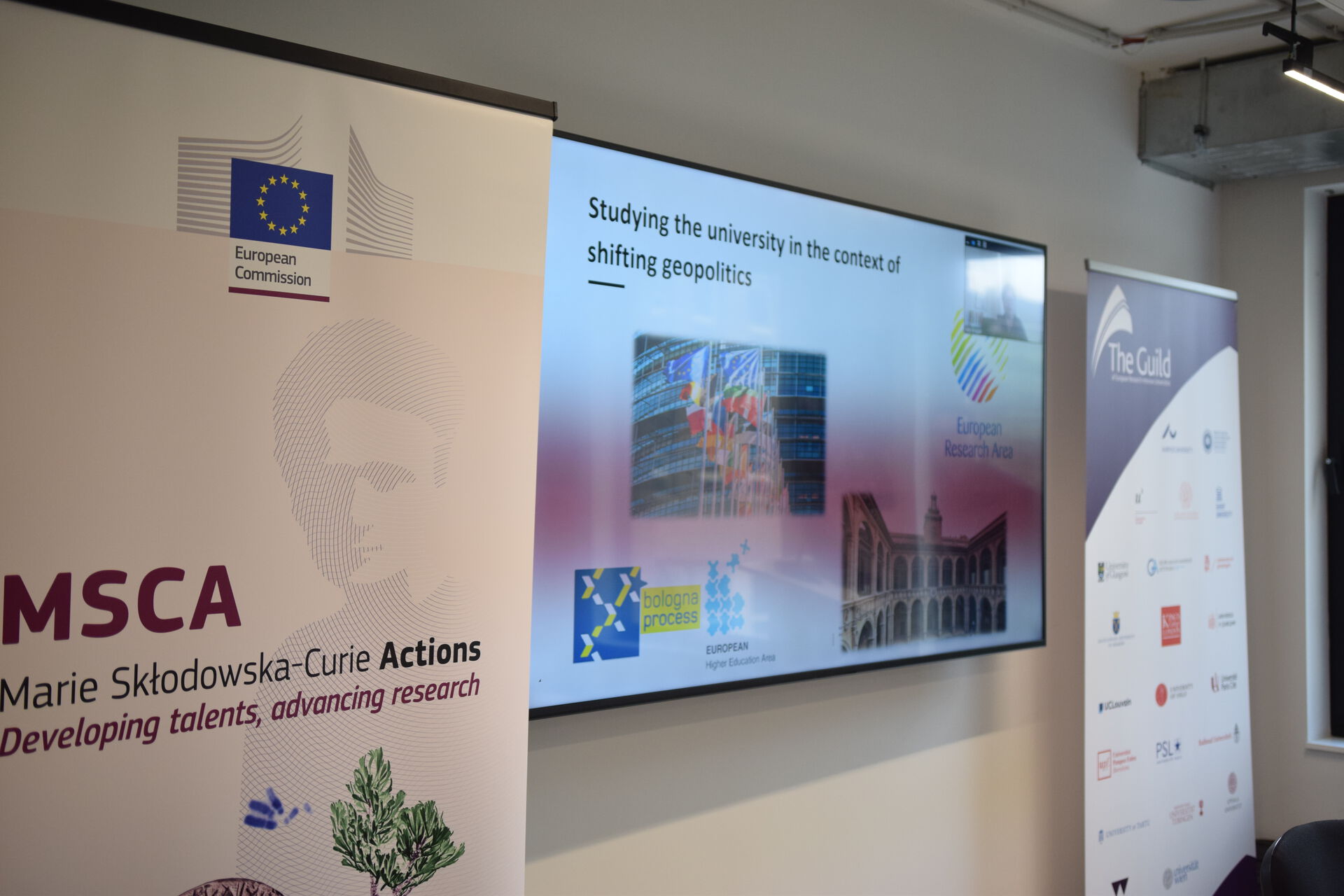
Photo: © The Guild of European Research-Intensive Universities
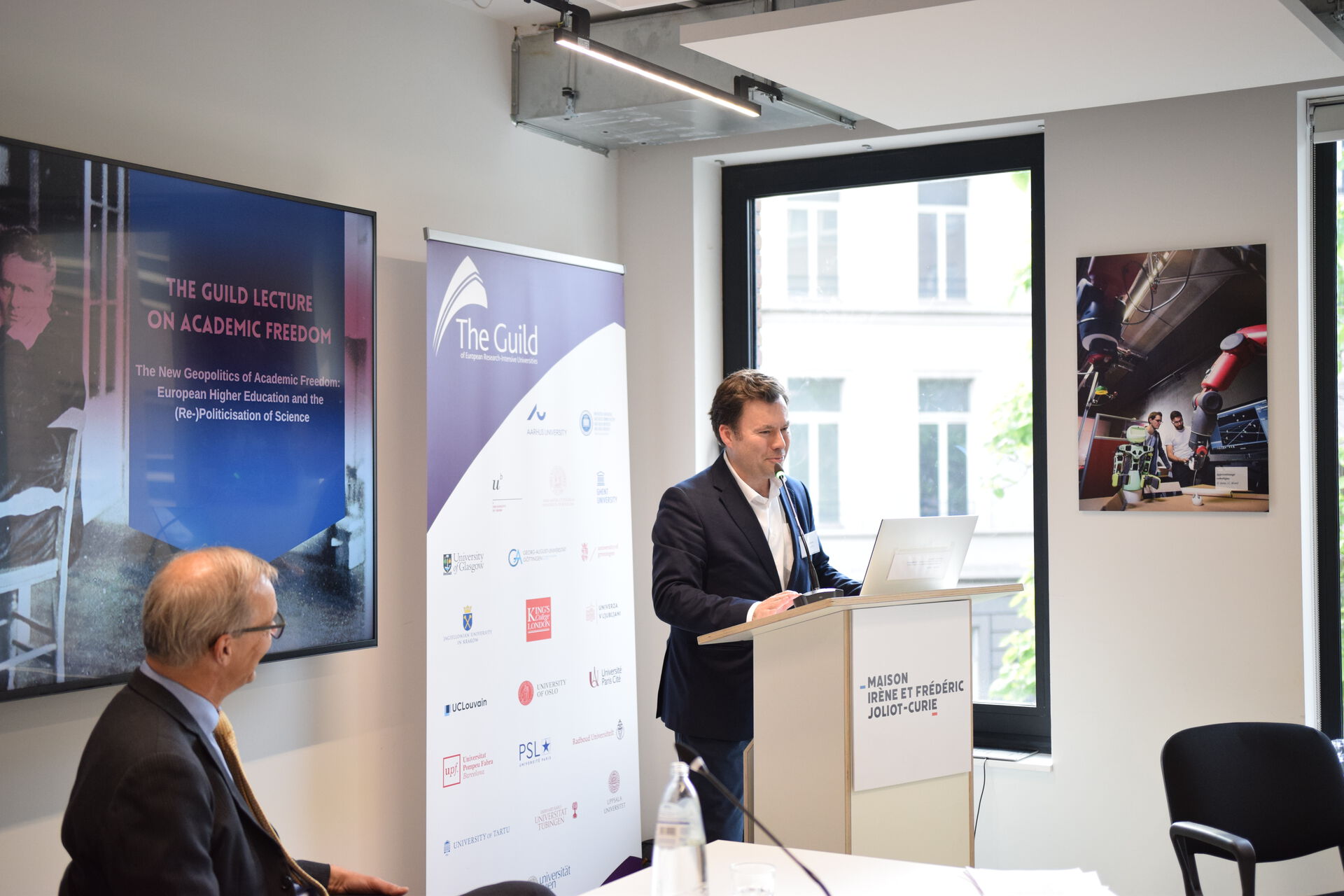
Photo: © The Guild of European Research-Intensive Universities
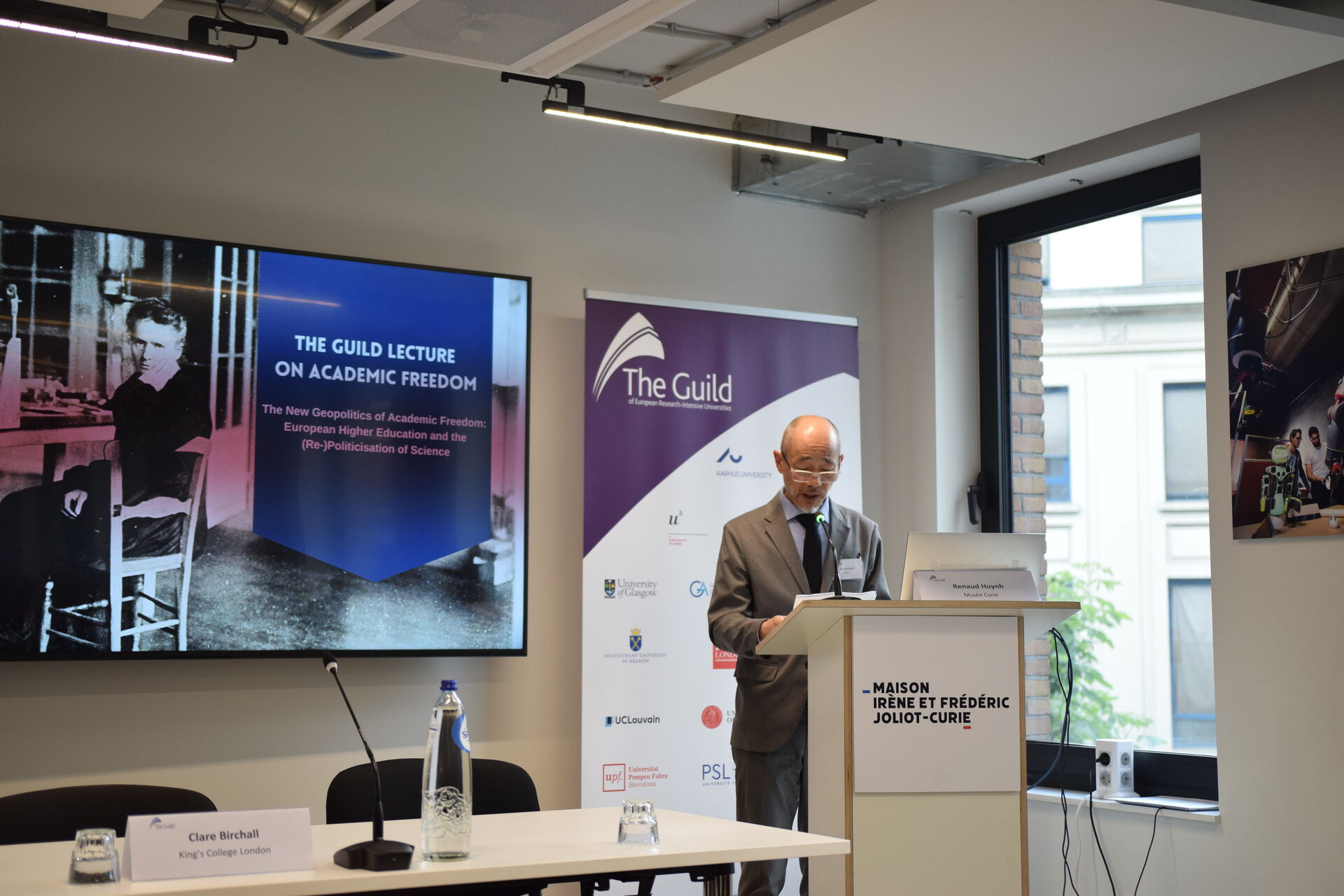
Photo: © The Guild of European Research-Intensive Universities