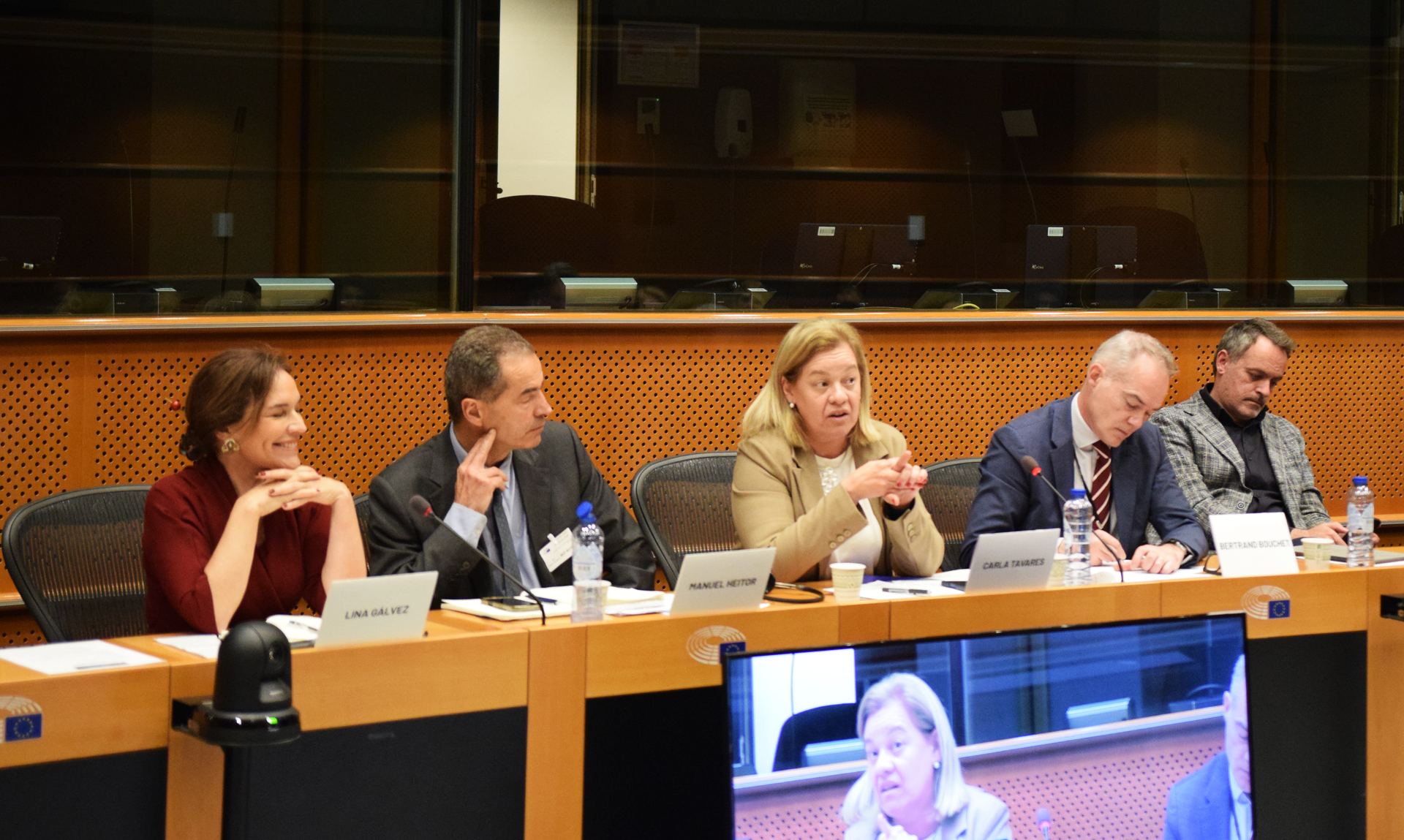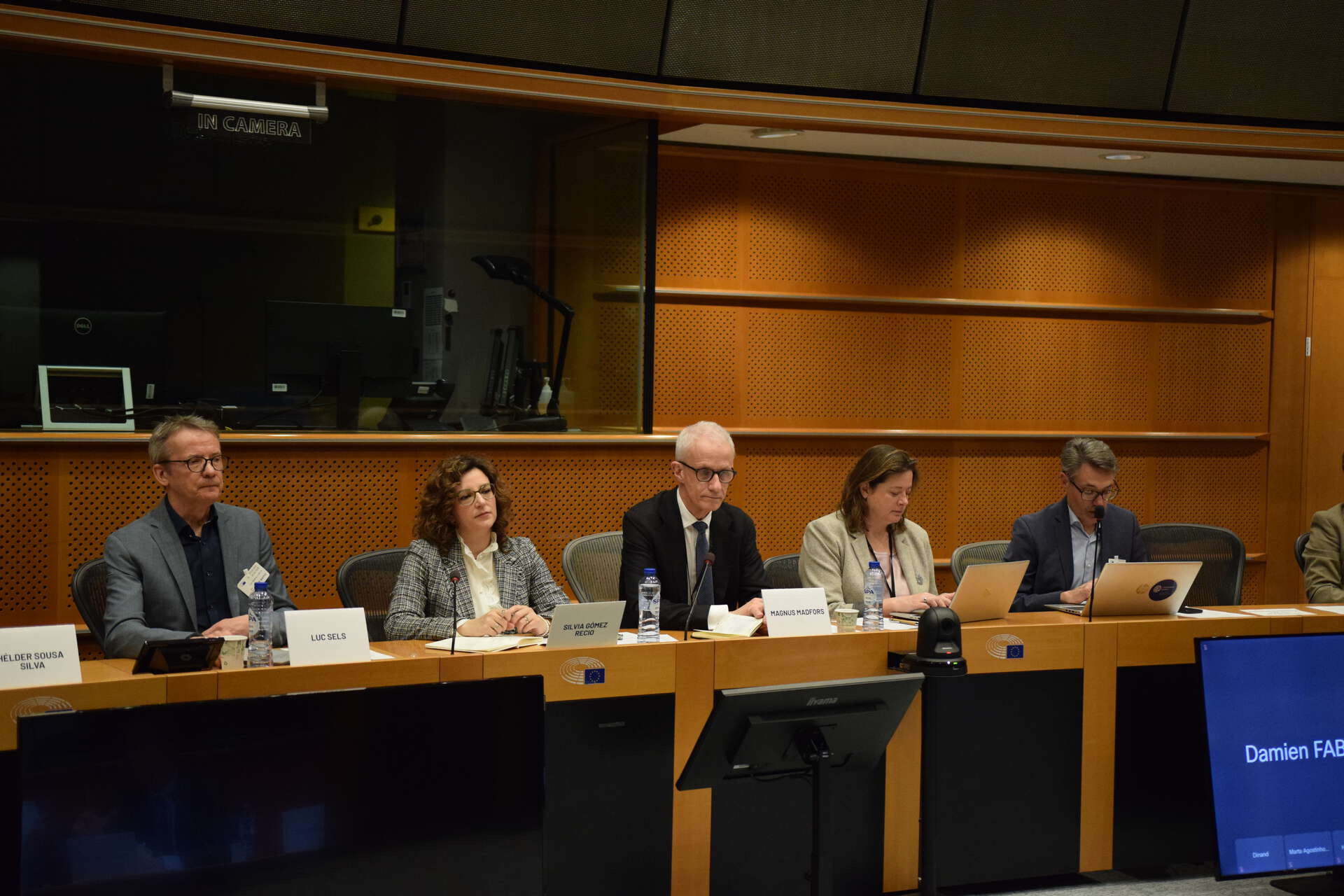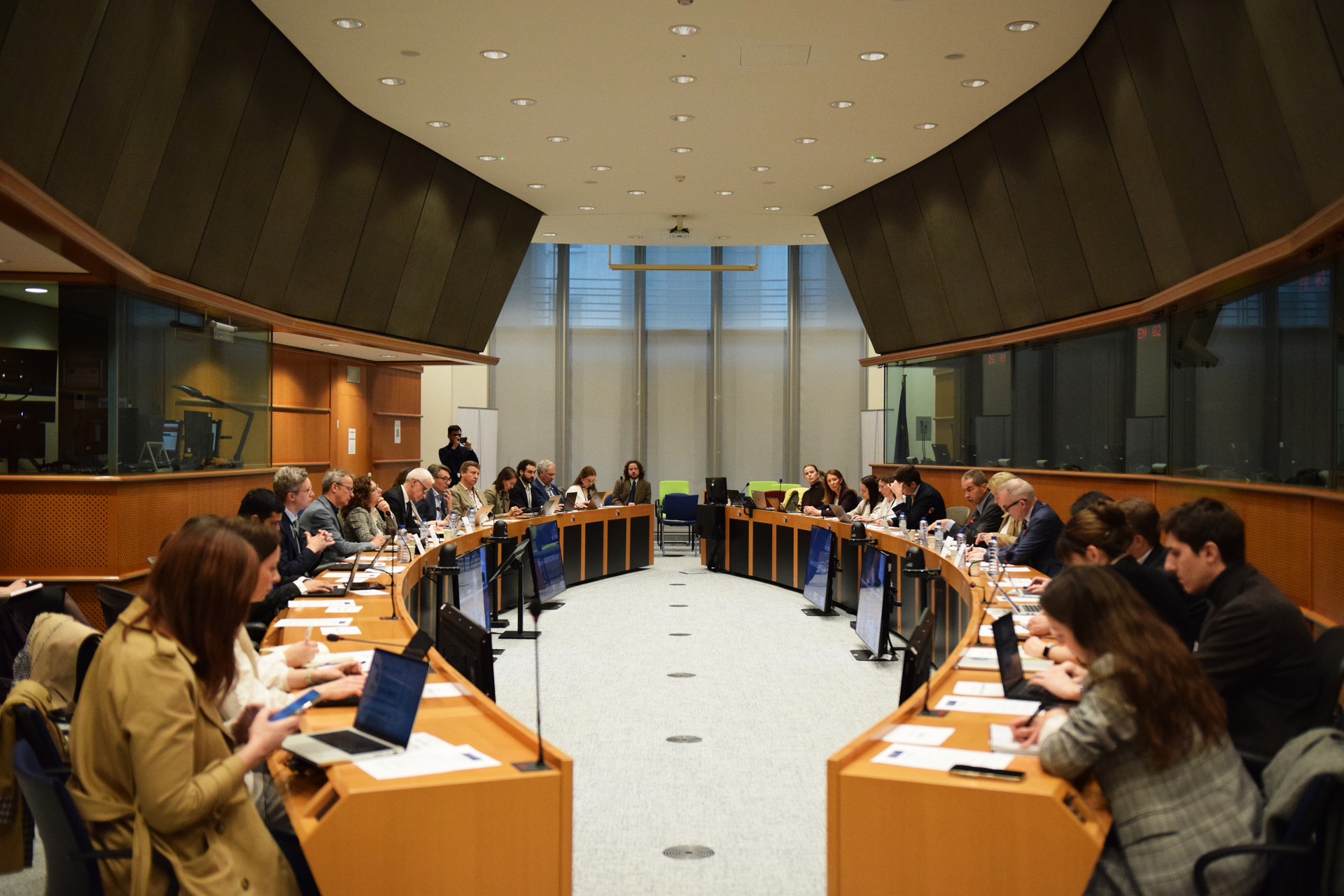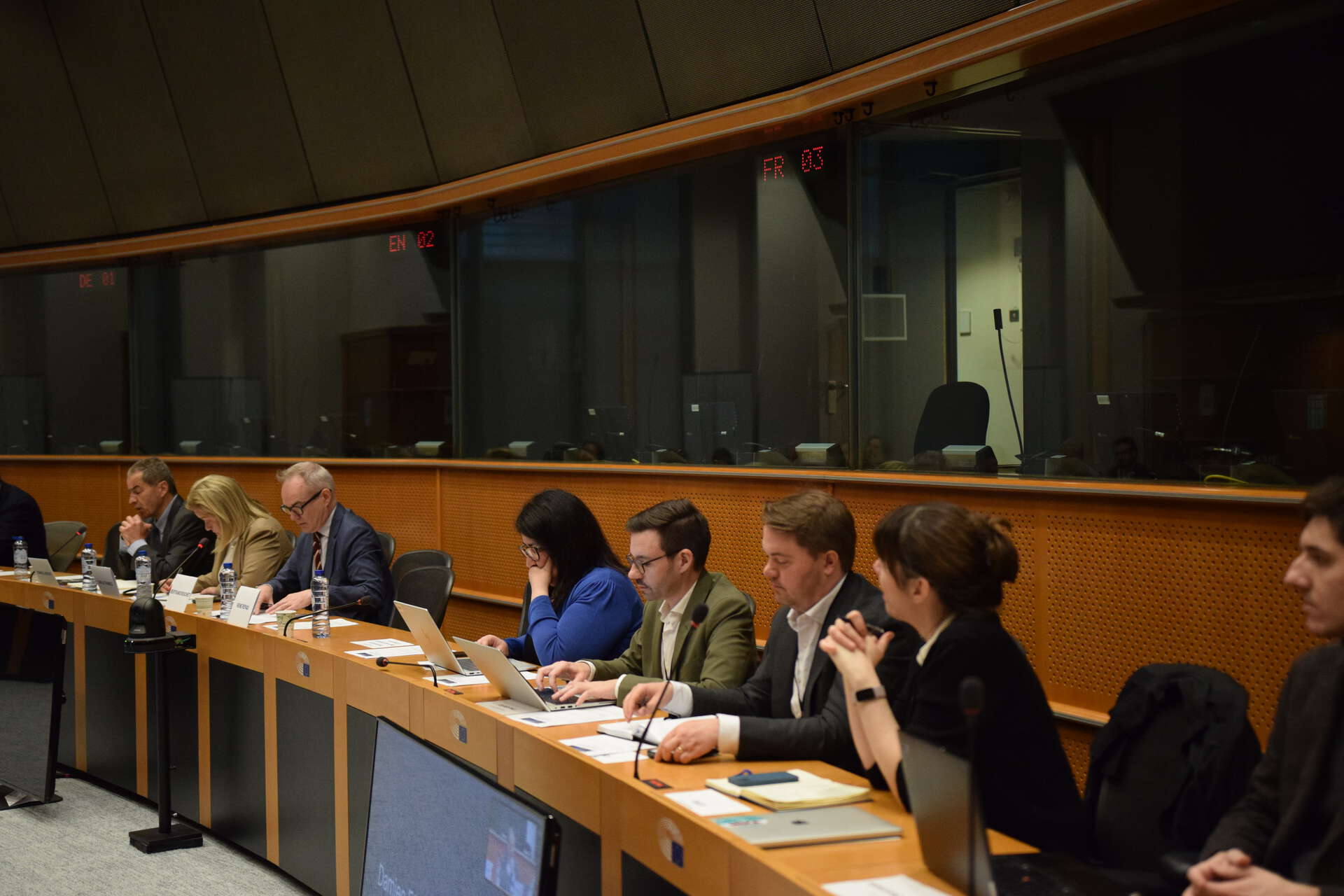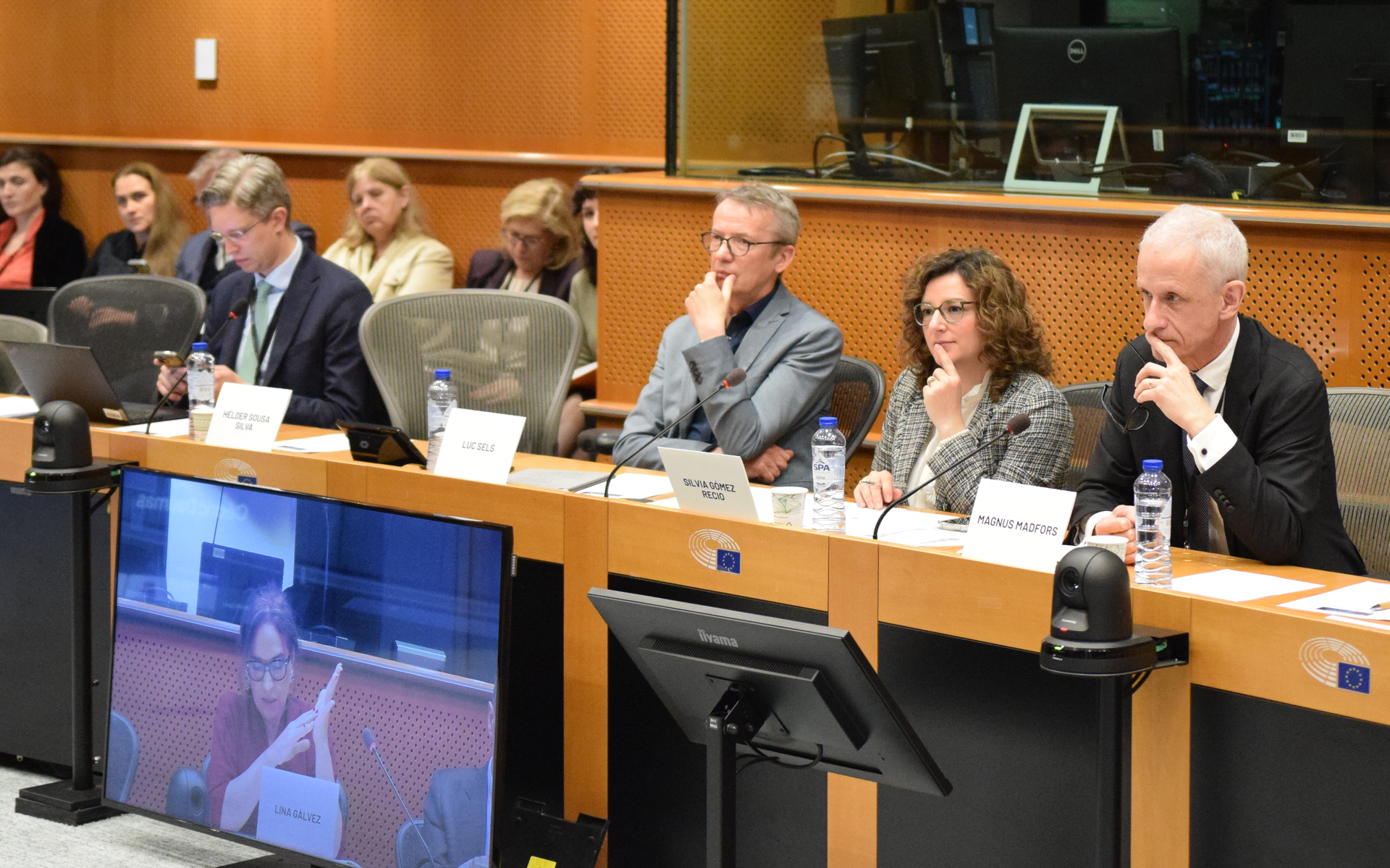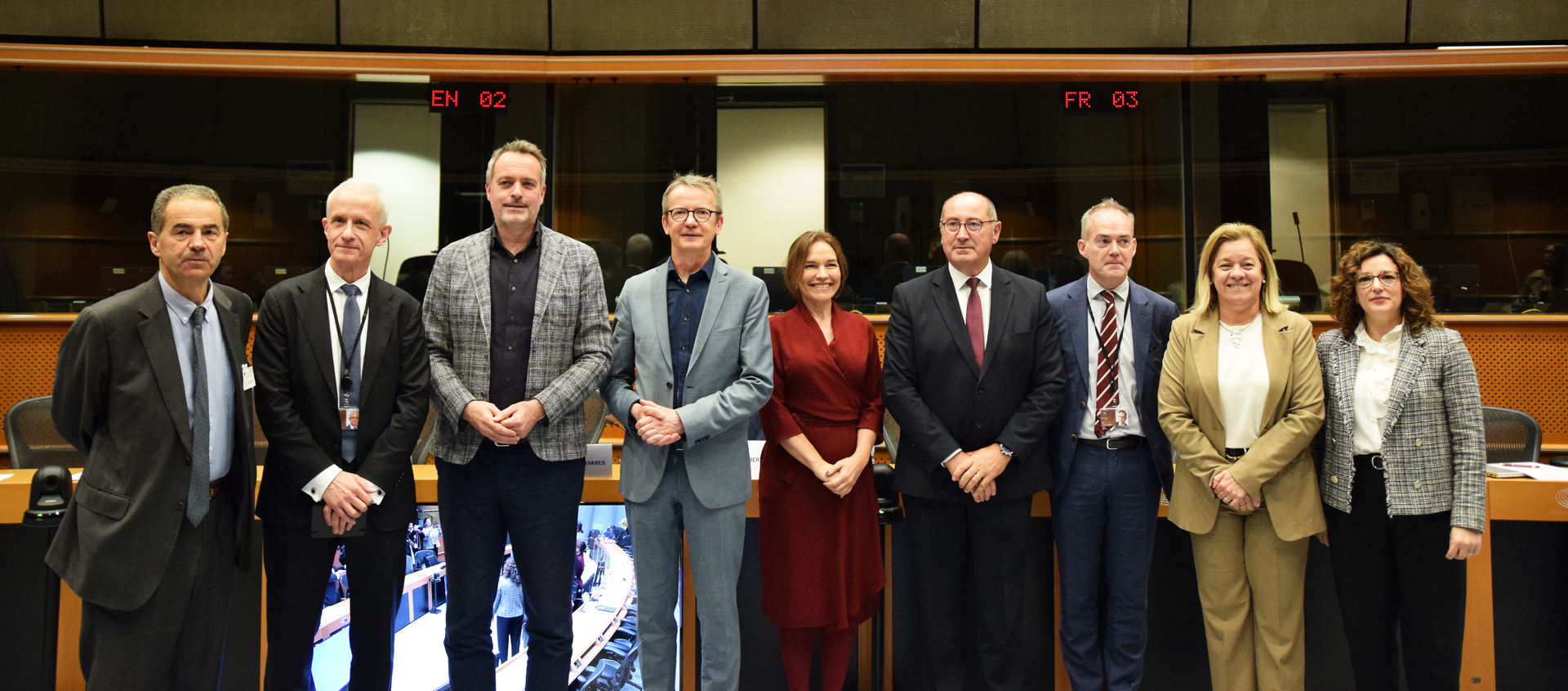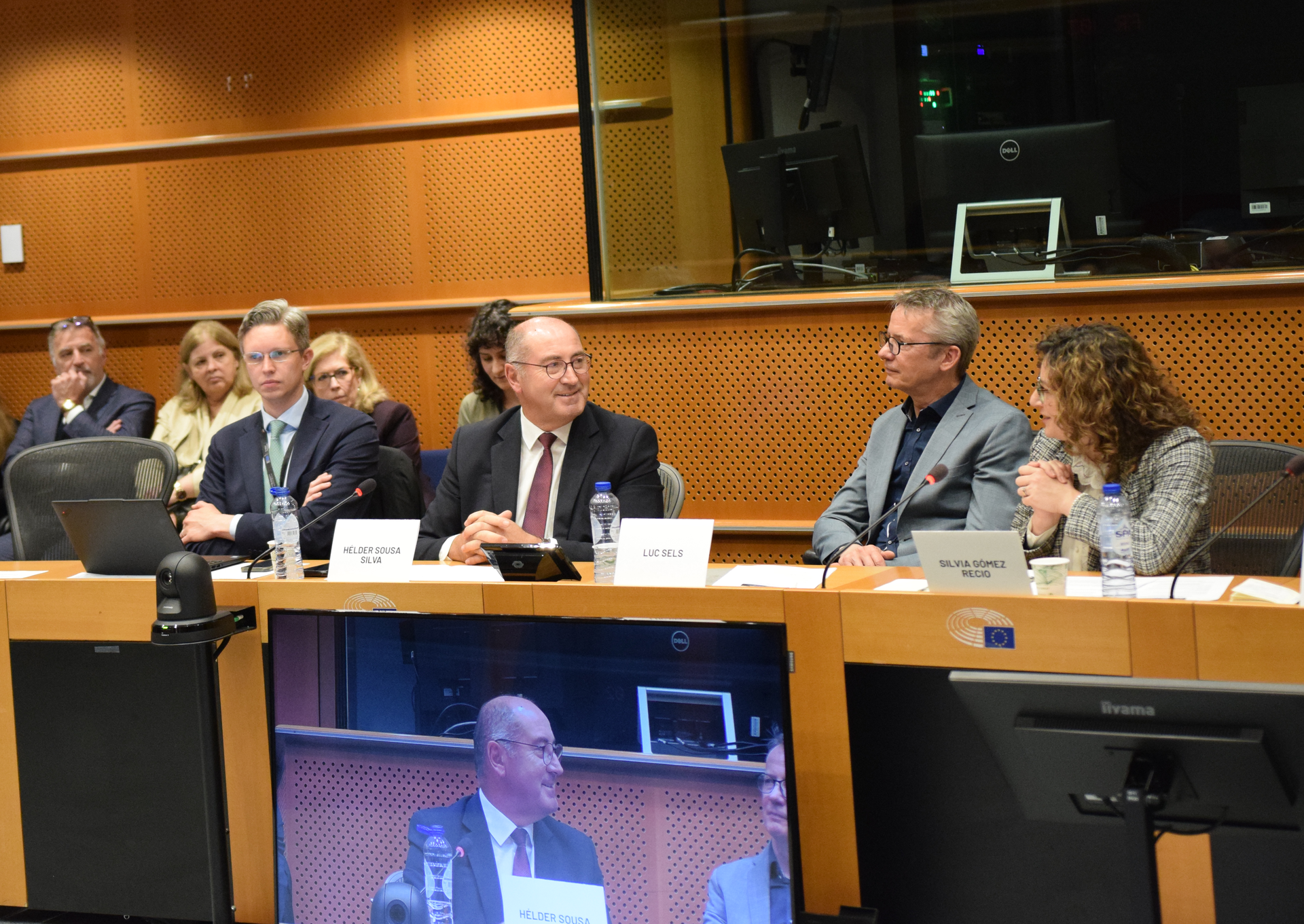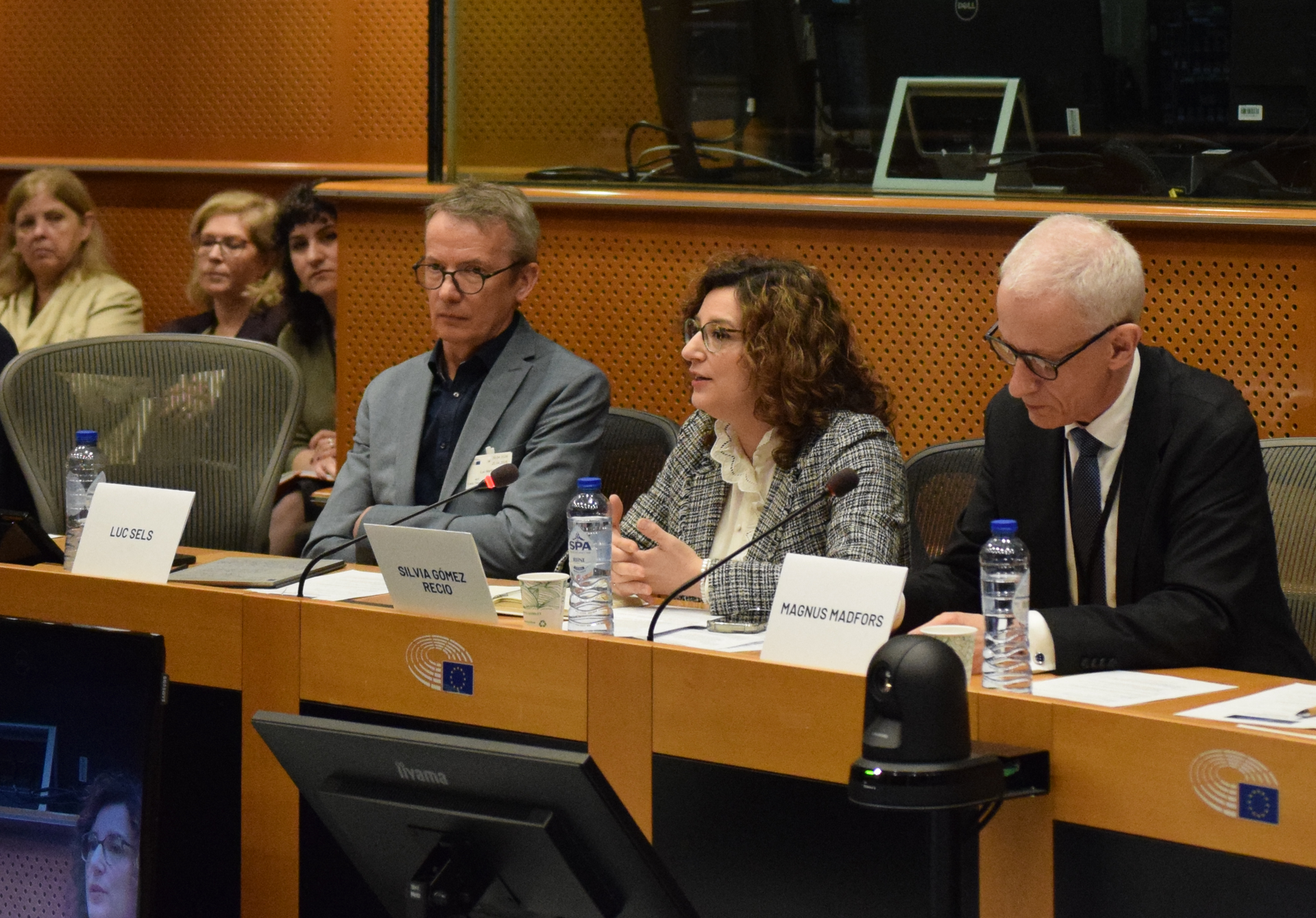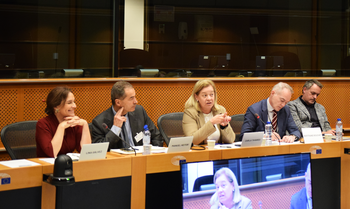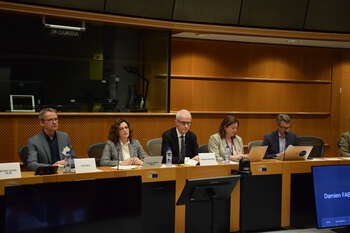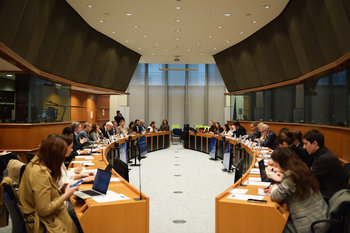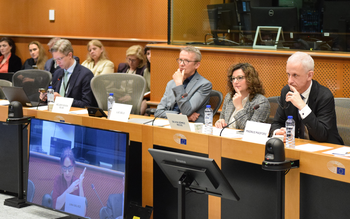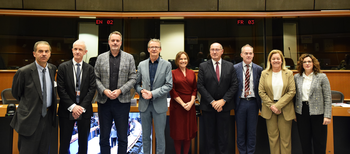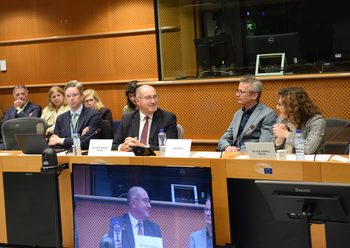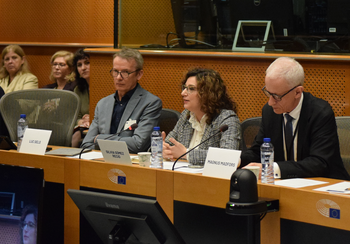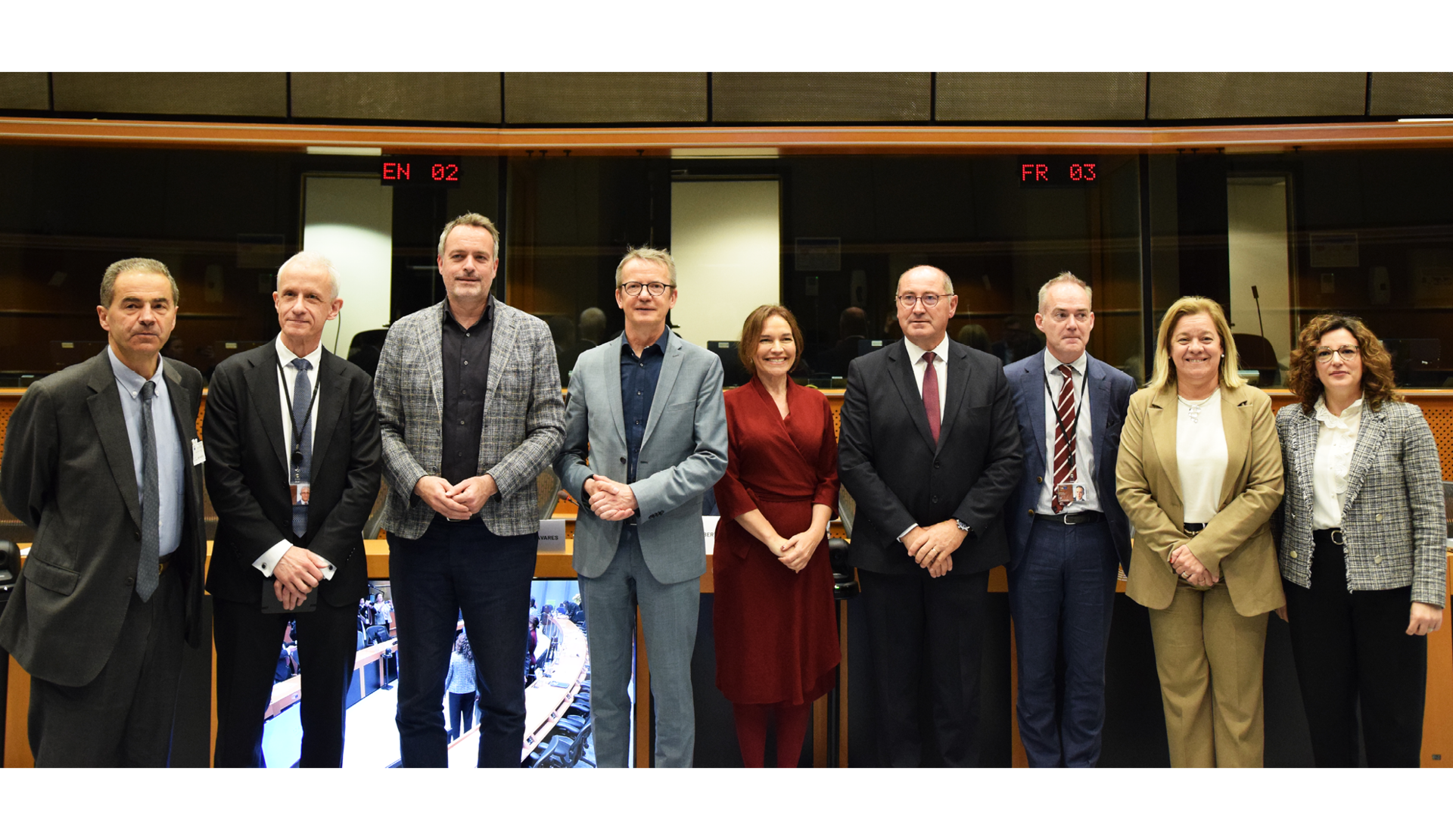
The Guild co-organised a joint event “R&I in the next EU budget: investing in Europe’s prosperity and competitiveness” with Coimbra Group, CESAER, LERU, EUA and YERUN at the European Parliament (EP), hosted by MEP Carla Tavares. At a time of growing geopolitical uncertainty, accelerating technological change and fierce global competition, research and innovation (R&I) must be at the centre of the debate on Europe’s future. The event contributed to the Research Matters campaign calling for substantial EU-level investment in R&I.
Opening the event, MEP Carla Tavares, Co-Rapporteur on the next MFF, emphasised that the event is about “the future of Europe”. Investment at EU level, she noted, does not replace national funding but complements it, and must be ambitious, hence her proposal to increase the budget for the next Horizon Europe framework programme (FP10) to €200 billion. She warned against any delays in the negotiations (and the launch of FP10) as these will affect researchers, investors and universities. Whilst she acknowledged that the Council will likely push back, the European Parliament’s commitment to go against the nationalisation of cohesion will not waver and the EP will propose an increase in the EU budget across all headings.
Why Europe needs a stronger R&I budget
Setting the scene, Manuel Heitor, former Chair of the Commission Expert Group on the Interim Evaluation of Horizon Europe, argued that Europe is living through a “Schuman moment” calling for a renewed collective effort comparable to the early foundations of the European Union. Future generations, he said, will need significantly more knowledge to strengthen democracy, manage the green and digital transition and navigate profound societal, economic transitions. These need to be supported by investments in R&I. On the budget Heitor was unequivocal and argued that a budget of at least €220 billion should be considered the minimum to preserve Europe’s competitiveness. Additionally, he underlined the need for FP10 to remain a standalone programme, building on the independent and excellence-based model of the European Research Council (ERC). “The point is not to reinvent the wheel,” Heitor said, calling for the EP to replicate and strengthen this European model of governing R&I.
Europe-level scale, leverage and predictability
From the university perspective, Luc Sels, President of the Executive Board of Leiden University, highlighted the structural limitations of national programmes: geographical borders, the size of domestic systems and the scale of today’s research challenges. These constraints make EU-level action indispensable. “Boosting excellence and quality drives world-leading talent to Europe”. Echoing MEP Tavares, he stressed the importance of national investments and connecting national strength to a European system highlighting the need for FP10 to be a distinct standalone programme.
What universities need at an EU-level is predictability. Sels stressed that this is not about comfort but about enabling ambition and risk-taking. Researchers and universities need sufficient funding, predictability, and balanced investments. This is crucial if we want to attract global talent and develop strong research ecosystems. Moreover, we need to ensure a smooth interface between universities and industry.
Linking research, industry and long-term competitiveness
Magnus Madfors, Vice-President and Head of Standard & Industry Initiatives Europe & Africa Group Function Technology - Ericsson, echoed the calls for sustained, collaborative investment. In a world defined by complexity and interdependence, companies increasingly need to cooperate with competitors as well as with universities. Cutting-edge knowledge is essential to compete on a global scale and bring products to the market. The European Framework Programmes also play a central role in business cycles and should induce standardisation and regulatory alignment.
Similarly, Bertrand Bouchet, CEA representative in Brussels, highlighted Europe’s relative weakness in transforming excellent research into industrial competitiveness. Research infrastructure, he argued, is where technologies can be derisked and moved from basic research to the market. Connecting FP10 with the European Competitiveness Fund, a better articulation between R&I and industrial policies are essential to ensure that European start-ups and companies can grow and compete globally.
Competitiveness, cohesion and Europe’s soft power
For MEP Lina Gálvez, Shadow Rapporteur on the FP10 Regulation, the negotiations on FP10 are fundamentally about the type of competitiveness Europe wants. Closing the competitiveness gap requires innovation-based high-productivity growth, alongside stronger strategic autonomy. At the same time, competitiveness must go hand in hand with social and regional cohesion to avoid brain drain. Framework Programmes, she noted, have been among the EU’s most successful integration tools and a key source of Europe’s soft power underpinning cooperation with associated countries worldwide. We need to shift the narrative from science – perceived too abstract by many – to tangible prosperity. MEP Gálvez warned that when it will be crucial for the academic communities to make their voice heard during the negotiations between the EU institutions, as the budget for R&I will come under pressure.
Looking ahead
In their closing reflections MEPs René Repasi, Rapporteur for the Specific Programme implementing the FP10 and Hélder Sousa Silva, Rapporteur for the budgetary assessment of FP10, highlighted the political reality of difficult budget negotiations, but also a shared recognition that Europe cannot afford to underinvest in knowledge. Horizon Europe and its successor FP10 must remain a shining example of excellence-based, collaborative European action and must be geographically balanced. MEP Repasi stressed the importance of further investing in the instruments with proven success, such as the ERC and MSCA, and the critical role of fundamental research in the development of future breakthrough innovations, which are still unthinkable.