
A new approach towards social inclusion and personal commitment
Kulbir Shergill joined the university in late 2018, as Director of Social Inclusion. At that time, the senior team at the University of Warwick recognised the need for a new approach to inclusion issues. Social inclusion was a key strand of the Warwick 2030 Strategy which was being developed at the time. University leaders acknowledged that introducing a senior post was necessary to drive this significant cultural change, involving not just system and process changes but also behavioural changes. Although there were many activities related to inclusion, in the form of various projects and programmes, there was not a single vision in place. “Wanting somebody to come on board to pull that strategy together and drive implementation was very much the ambition behind creating this post.”
Her career has always been rooted in inclusion, diversity, and equity across different sectors, including the public sector, national social impact organisations, and the corporate sector. Although, she had never worked in education before, her personal commitment inspired her to take on this role. “What particularly attracted me to this role is combination of factors. My own commitment to equity, and my experience and my belief that education is one of the most important factors for an inclusive society. And this based on listening to other people’s experience and the huge amount of evidence that tells us that education is essential if we want to see in an equitable society and an equitable culture”.
Developing the new Social Inclusion Strategy: key considerations and challenges
The Social Inclusion Strategy was developed from scratch, drawing on Shergill’s experience from other sectors, mainly large organisations, which she says have a lot in common with universities, in the cultural challenges that they face in creating inclusion and attracting diverse talent. However, understanding the unique context of higher education and academic culture brings relevance to the strategy. It involved extensive consultations with staff, students, and senior leaders, and was supported by data analysis. “For me, the starting points were talking to people and understanding what was it that they were doing already. Where did they see the gaps, and the challenges. I think also listening to people who did not think it was an issue and trying to understand why that was the case and how to make the strategy relevant for everyone.”
The strategy focuses on three main objectives: increasing diversity, fostering an inclusive culture, and demonstrating leadership in this area both locally and internationally. “Our vision is really very simple, it is about removing barriers for people who have either not been able to work, study or engage with the university in any way. It is about creating an inclusive community, that nurtures diverse talent for the creativity and innovation that universities thrive on.”
Making a real impact with different programmes and trainings
Recognising that traditional training alone might not be sufficient in driving impactful change in behaviours, the Warwick Social Inclusion team started to look at training differently. “All of the evidence tells us that if you make people go to training programme around EDI issues, most people do not actually react very positively to it, or it does not really have a lasting impact. We thought about all these things when we were thinking about how we want to engage people, and one of the things that we did over these last couple of years is to bring in a different kind of training and these are what we call micro-courses.” These are short, approximately 8-minute-long courses delivered each term on various topics, including intergenerational working, harassment or flexible working. The micro-courses had a 60% take-up amongst their staff, which can be considered as success. This approach ensures continuous engagement and allows the introduction of additional materials for those who want to learn more.
Another innovative method introduced are the facilitated conversations, entailing discussions rather than traditional training, helping participants understand complex diversity issues through dialogue. “I think that behaviour changes that we are aiming for, or the understanding of complex diversity issues, are things that we need to discuss. We need to be able to talk about them and understand why they are an issue. What does it look like for other people? What does it feel like to be different? What is that experience? I think we do that best, when we talk to each other, and we engage with each other.”
One of the successful initiatives at Warwick is the INspire Programme, which supports leaders, who face well documented barriers getting into top leadership positions. The Programme focuses on personal experiences and challenges. “I would say the programme is not a ‘normal’ leadership programme, because participants are already leaders, they know about strategy and those things. This is about how to be successful as a leader when you are different. It is not just about how to get there, but once you are in that position, how do you maintain it, how do you perform and how do you relate to your colleagues.” Each participant is paired with a senior executive sponsor and engages in peer coaching. “They [the leaders] have somebody that they can work with at a very senior level, who can get to know them, but who is also able to introduce them to their own networks, sponsorship rather than mentorship. We know that when people are looking for someone to lead a programme or project, it will be the people they know that will come to mind. It is all about who you know and who you know does a good job. Networks are important, and people who are under-represented tend to get left out of them.” The programme has been successful, as over 50% of participants progress to higher positions, and it fosters a supportive community.
This year, two new programme was introduced for more junior level professionals (EmpowerUS and Accelerate). In these programmes participants of INspire programme mentor those who are pursuing the junior programmes. They focus on creating networks and links as well as introducing career coaching as part of the culture, addressing the challenges that certain people face. “This is one of the things I am quite proud of, building a diverse talent pipeline from junior up to senior level.”
Inclusive Education model and social impact
Education is obviously an important aspect of the strategy. Their Inclusive Education model address the entire student experience, from campus life to classroom culture and curriculum content. A key driver for this model was the attainment and awarding gap, particularly for ethnic minority students and those with disabilities. This gap is a sector-wide issue, and while there have been improvements, it remains a significant challenge. “When we are talking about our students and thinking about how we can make the student experience more inclusive, we are looking at their experience on campus, whether it is walking around, shopping, or living on campus. Is that inclusive, do people feel that they belong?”.
In the classroom, they scrutinise the culture and behaviours that might exclude students or make them feel they do not belong, as these factors can significantly impact achievement, argues Shergill. They also examine the curriculum content to ensure it is inclusive. Students are actively involved in identifying challenges and developing solutions, having initiated specific projects across the university. “Our students and staff are working closely together on quite a range of programmes, and it all depends on what departments they are in, in terms of what might be the particular issues that they are trying to tackle and the environment that they are trying to create.”
The university also offers scholarships and support programmes for students from disadvantaged socioeconomic backgrounds, refugees, and those who have been in care or are carers themselves. “There is financial support, but it is also thinking about the cultural capital. So, the social things that can exclude people, and how we can support our students to feel that they do belong at Warwick through many of the projects that are going on right across campus.”
Warwick has partnered with an external charity organisation (Young people employability programme) that supports people from disadvantaged socioeconomic backgrounds. Warwick has been providing work experience and mentoring, and many students pursued university after that. They also offer a year-long paid internship programme for students who did not go to university, providing them with work experience and professional development. This programme has been running for three years and has been very successful in bridging the gap for young people entering the workforce.
Importance of international networks
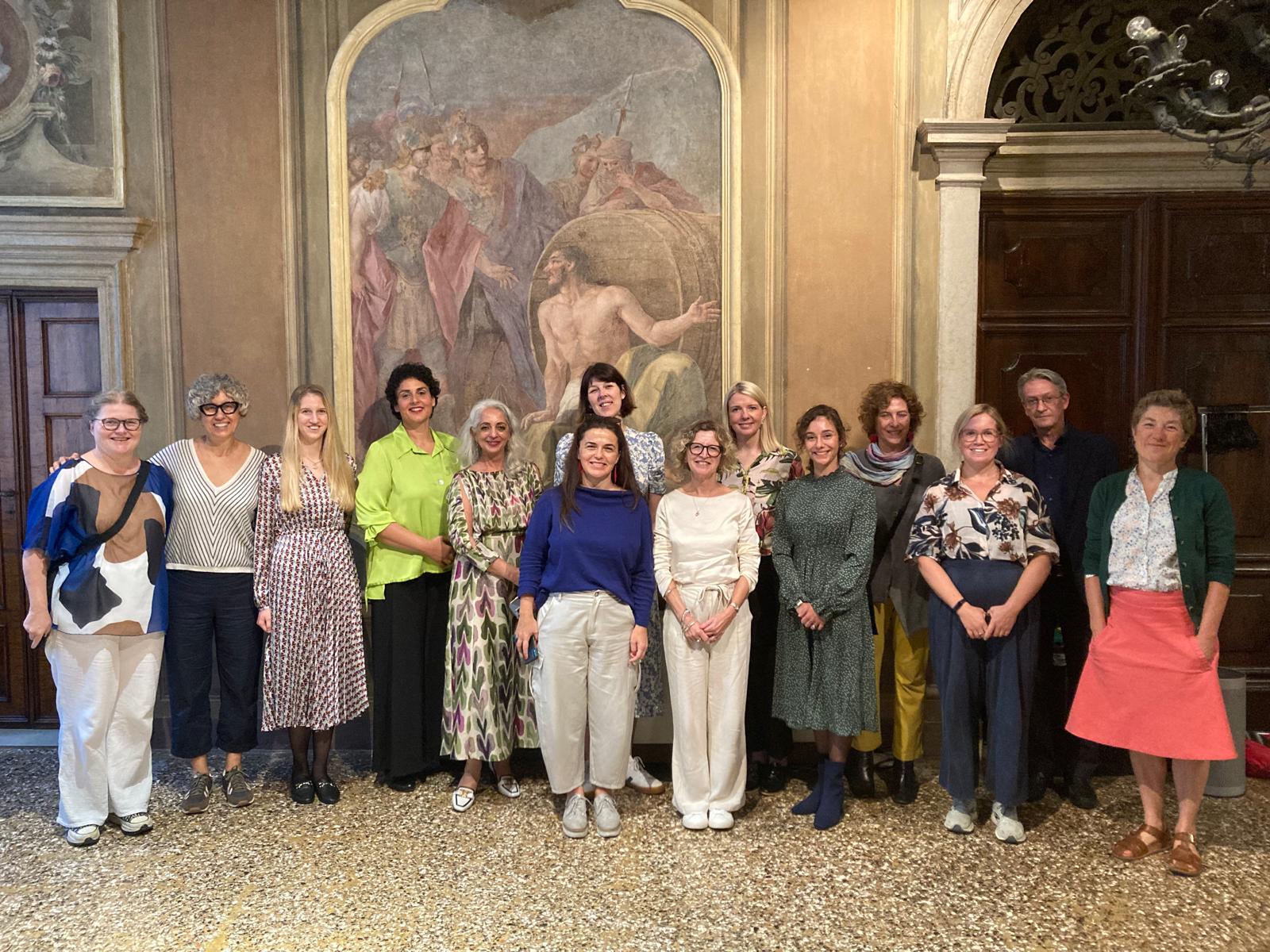
Despite Brexit, the University of Warwick remains committed to its European partnerships through networks like The Guild and the EUTOPIA alliance, highlighting that the vision around equity for both students and staff is the same, but also the challenges. “One of the things that is helpful is to be able to engage with other universities across Europe to tap into some of the research that is going on around these issues and learning from that but also being able to share what we have been doing, what is working and what is more challenging and what do we need to change. I think having a community that brings a different fresh eye, a fresh perspective to what you are looking at is helpful.” The mutual support and collaboration within these networks are crucial for developing effective strategies and maintaining morale.
Shergill was also asked to share the challenges they face. “One of the key challenges for people in this profession is the political and economic agenda that we all live in, and particularly around the right-wing political activity, because they do not seem to like what we do. It is a challenge, and I think we must think about why those people do not like it, and what is it that makes them feel alienated from it, or see it as a threat?” She also highlighted the need to find ways to engage with them constructively. This involves addressing their concerns and demonstrating the benefits of inclusion for everyone. Mutual support through networks, like the Gender & Diversity Working Group within The Guild is invaluable, as people working in this field can also often be isolated, so having a community to share ideas and experiences with is crucial. “One of the things we must remember is that this work is still a young space, in terms of established practices and understanding what works and what does not. I think talking to other people and having that space to share helps us to build that practice for tomorrow”