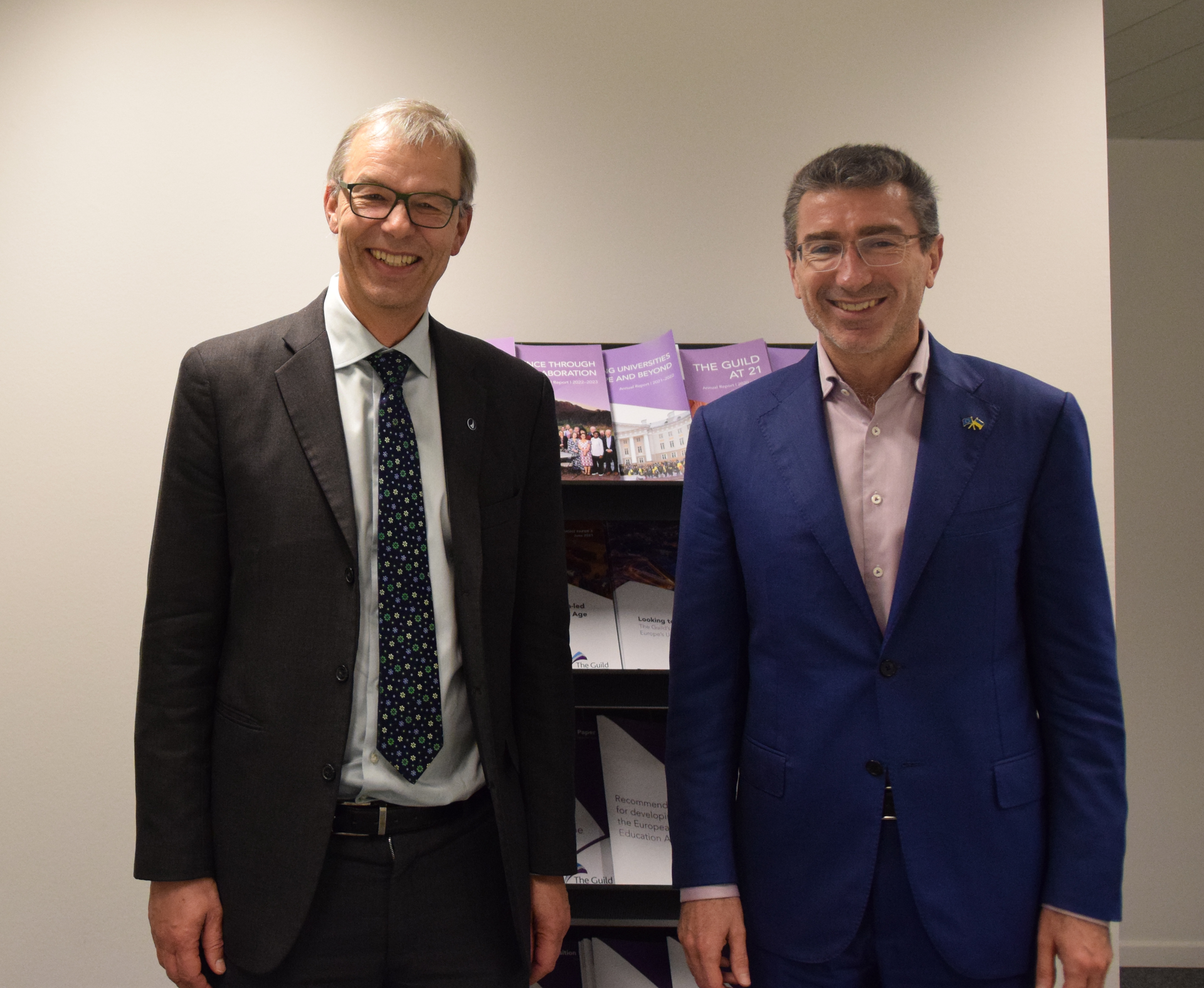
A highlight of the event was the presence of Marc Lemaître, Director-General of the Directorate for Research & Innovation at the European Commission (DG RTD). Mr. Lemaître joined the Vice-Presidents in meaningful conversations about enhancing the upcoming framework programme for R&I (FP10), which is expected to see its legislative proposal published this year. Key topics included the European Competitiveness Fund, the structural design of the framework programme, and potential simplifications for its successor. The deliberations also spanned critical issues such as r esearch security, responsible internationalisation, research infrastructures, and lump-sums. Elisabeth Smits, Research Attachée at the Austrian Permanent Representation to the EU, further enriched the dialogue by engaging in discussions on the upcoming EU's political and legislative priorities and how they affect universities.
2025 is also a pivotal year for the next Erasmus+ programme, with the European Commission expected to unveil its proposal before summer. In parallel, the Commission has been developing the European Education Area, surpassing their target with 64 European  Universities alliances. During their meeting with Pia Ahrenkilde Hansen, Director-General of the Directorate for Education, Youth, Sport and Culture (DG EAC), Vice-Presidents highlighted the need to address the funding mechanisms of these alliances, resonating with their statement on the Investment Pathway of European Universities alliances.
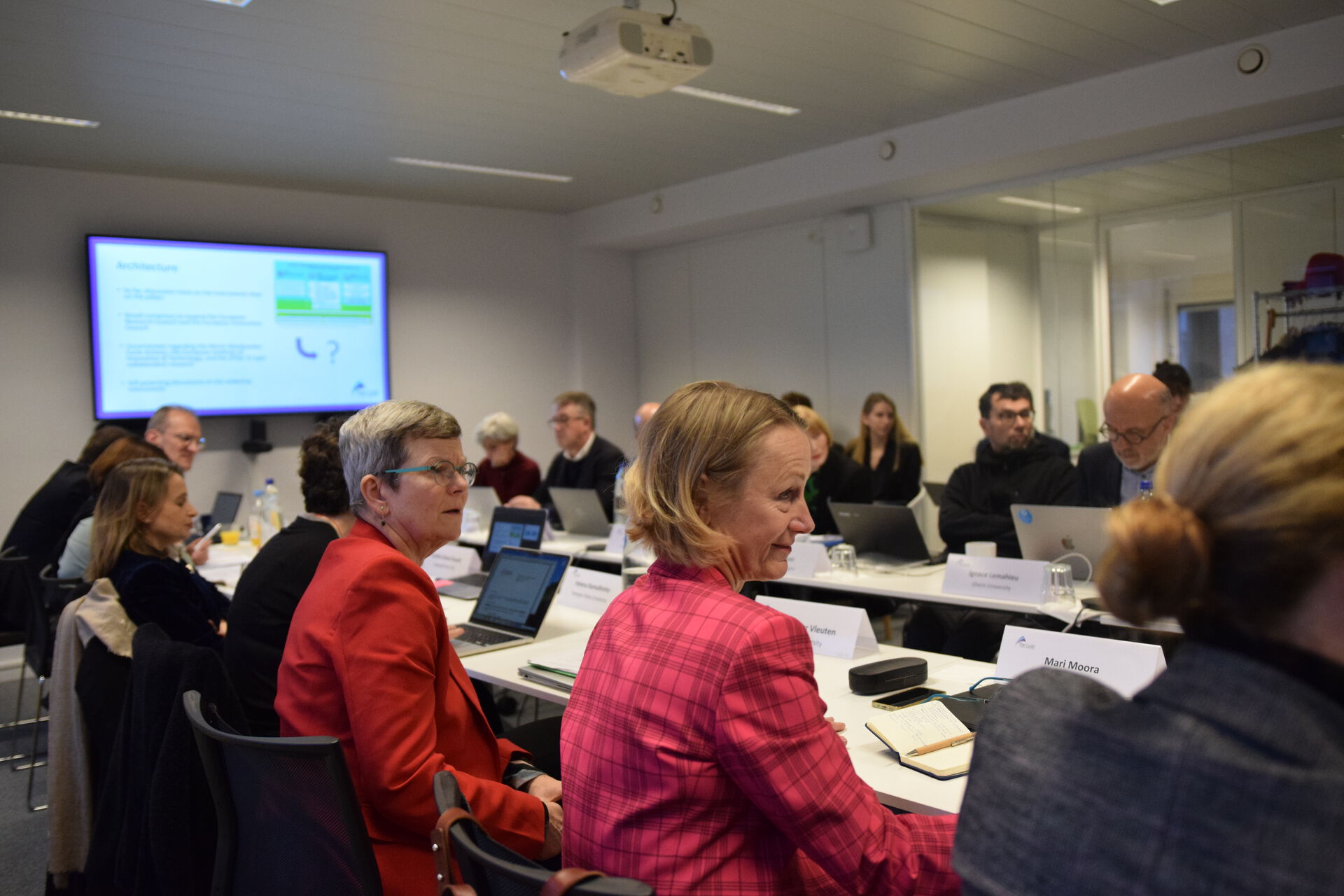 Additionally, they emphasized the contribution of universities to the discussions on the Union of Skills through research-based education. Vice-Presidents urged for support in establishing interdisciplinary study programmes to expose students and future researchers to multifaceted societal challenges.
Jan Palmowski, Secretary-General: “At the start of the Commission’s new political mandate, the Vice-Presidents' meeting provided an important opportunity for reflection on how universities can best engage with the priorities of the new College of Commissioners, respond to a changing geopolitical environment, and affect the priorities of the next Multiannual Financial Framework. But it is also important that national governments play their part in ensuring we have the regulatory and financial environment to help ensure Europe’s societies are best prepared for an uncertain future.”