Interview with Henrique Santos, Junior Policy Officer
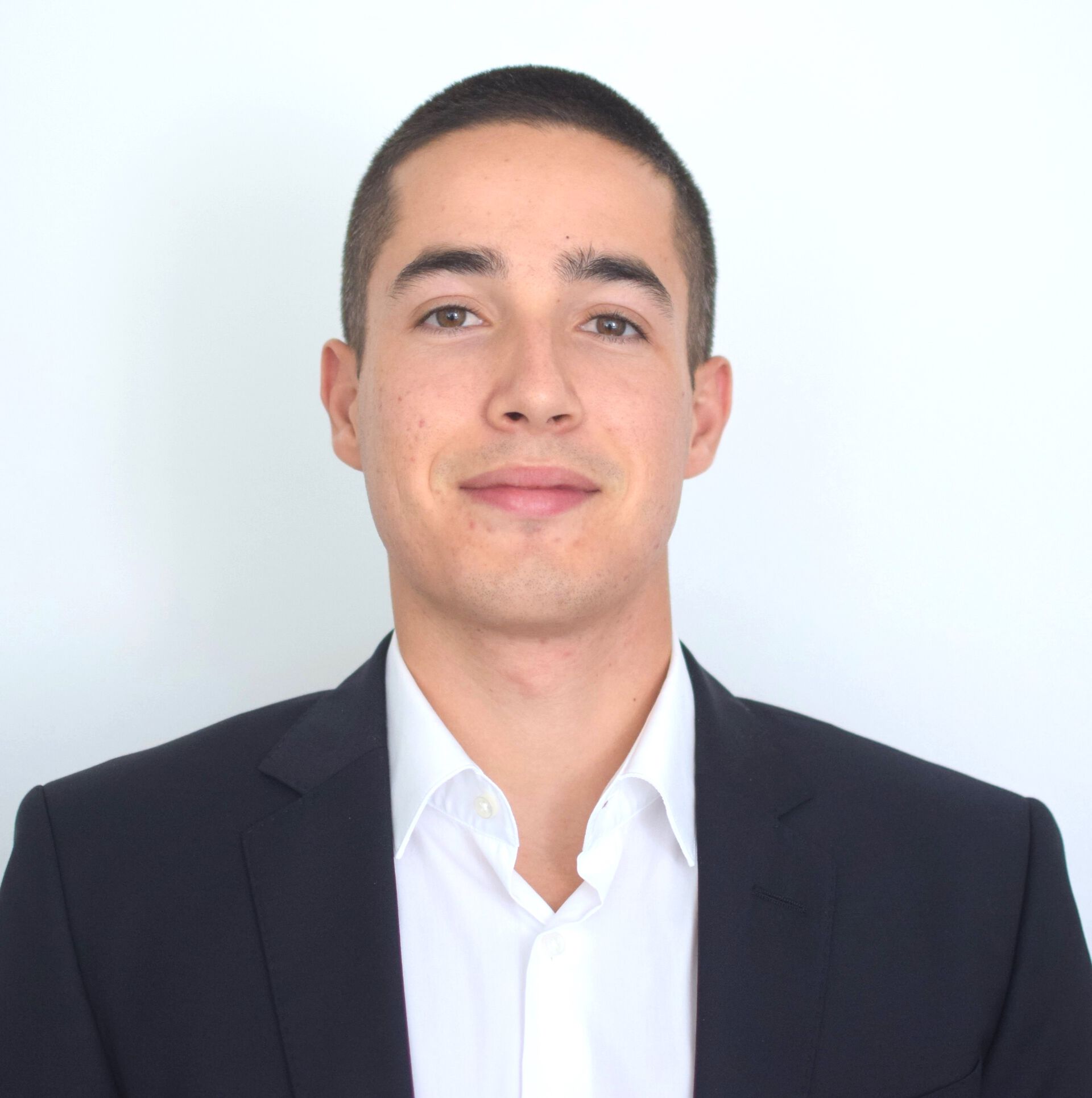 What encouraged you to apply to the position of Junior Policy Officer at The Guild?
After visiting Africa on multiple occasions, I became increasingly interested in the continent’s cultural diversity and political dynamics. During my master's I researched Africa’s Green Transition, the political economy of nuclear energy and the flow of technology transfers between Europe and Africa. Being innately concerned with equity and sustainability issues I saw in the innovative Clusters of Research Excellence a unique opportunity to stimulate cooperation between the two continents, and to jointly address the common global challenges faced by the two continents. This 10-month traineeship, as I saw it, seemed like the perfect opportunity to grow personally and professionally, allowing me to further develop my interest in, and knowledge of, EU-Africa relations, from a different perspective (R&I).
Did you have any knowledge of the research and innovation sector prior to joining The Guild?
The existence and relevance of research and innovation was ever-present in my thinking… after all, it is evident and undeniable that we are surrounded by its outputs and products. However, I cannot say that I was aware of the sector’s internal dynamics or of its interconnections with virtually all other sectors. In fact, my understanding of the workings of universities was constrained: I was generally aware of their broader educational activities but not of their research endeavours. Despite my sound understanding of international cooperation, I was mostly unaware of the complex, multilateral and multidisciplinary initiatives developed in and between universities.
What was your experience working on the different portfolios: Africa-Europe Clusters of Research Excellence initiative, research security and responsible internationalisation?
Simply put: it has been great! It provided me with the opportunity to work in the development of an innovative approach to international R&I collaboration, all alongside Africa and Europe’s leading researchers and the institutions they represent. I have grown committed to an equitable implementation of the AU–EU Innovation Agenda, after becoming aware of the existing potential for success of the CoRE in that challenging process.
The current geopolitical scenario predicts a future in which international R&I cooperation will be essential to address expected and unforeseen events. Working in The Guild’s Responsible Internationalisation taskforce, I have learned about the risks of non-cooperation. With the knowledge acquired during an MA in International Security, I have expanded my understanding of securitisation processes to the field of R&I. Engaging with this taskforce has enlightened me on the need to secure freedom/openness in research while dealing with perceived threats and political tensions.
What are your main takeaways from this traineeship?
Having the opportunity to learn alongside The Guild’s team and their expertise has proved to be an amazing and unforgettable experience. I have gained a good understanding of the EU’s policymaking process and of the variety of stakeholders involved in the research sector. I have also developed my communication capabilities and time-management skills. By assisting in the planning and delivery of The Guild’s events, I have taken part in the in vivo work done by our network – from which I have gained invaluable insights from the sector’s leading experts. It has been an immense pleasure to help support the early implementation of the CoRE, and I am eager to know how they will perform in their long-term commitments.
To all The Guild’s staff, thank you.
Other articles
Foreword by Acting Secretary-General Ole Petter Ottersen
A moment of educational change
Shaping European framework programmes for R&I
European Research Area in action
Making new forms of Africa-Europe research collaboration a reality
Université PSL joins The Guild