A moment for educational change
<< Back to the Annual Report 2023-2024
In anticipation of the higher education package published by the European Commission this year, The Guild members contributed to the discussions on reward and recognition system, the European degree and the role of universities in providing the “right” skills set in a rapidly changing world. The Guild also published recommendations for improving the current Erasmus+ programme and after a yearlong consultation process with our members, we offered input to the wider sector on the Investment Pathway for the soon to be 60 European Universities alliances.
Insight paper on transnational collaboration and mobility
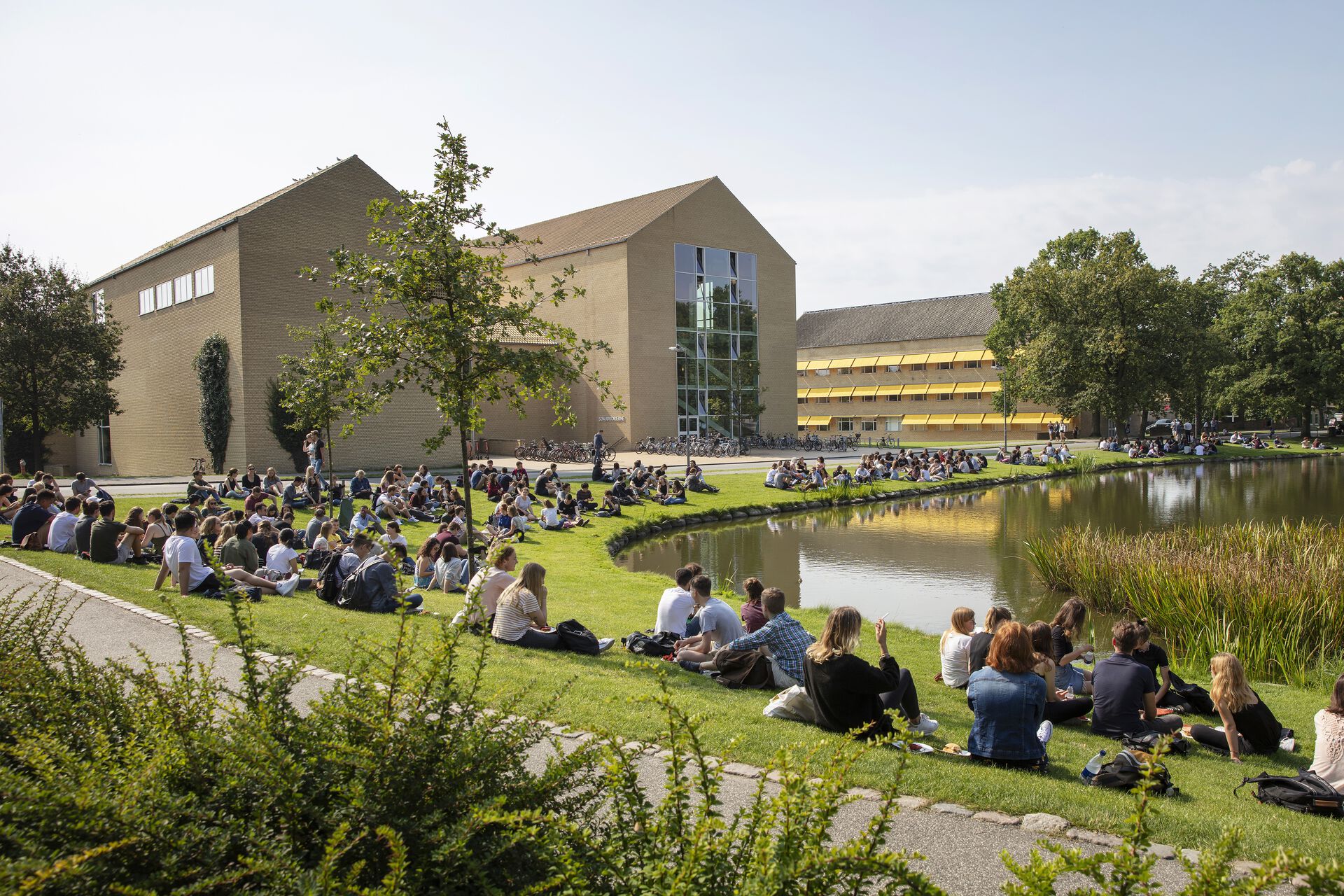
Last year The Guild’s Strategic Leads on Education, led by Professor Jo Angouri, Deputy Pro-Vice-Chancellor for Education and Internationalisation at the University of Warwick, published a new insight paper as a contribution to the debate on the European degree. It responds to the current emphasis on educational innovation, transcending barriers for programme-level collaboration and connectedness and the ambitious mobility targets. Based on evidence from literature and examples of Guild member universities, we emphasised that different designs need to continue to be supported to achieve scalability of opportunity. The paper calls for a conceptual shift to mobility. A shift that moves away from a ‘singular’ individual experience and ‘state of being’ to a process by which opportunities for international learning, short and longer term, are embedded in the curricular and co-curricular offering of an institution, and by which regional, national and international connectivity is enabled.
Different approaches to transnational education collaboration were explored in The Guild’s #FutureofEducation seminar series as we wished to engage with the higher education sector on the key issues of resources, quality assurance processes and technological support.
Education and innovation experts meet at Ghent University
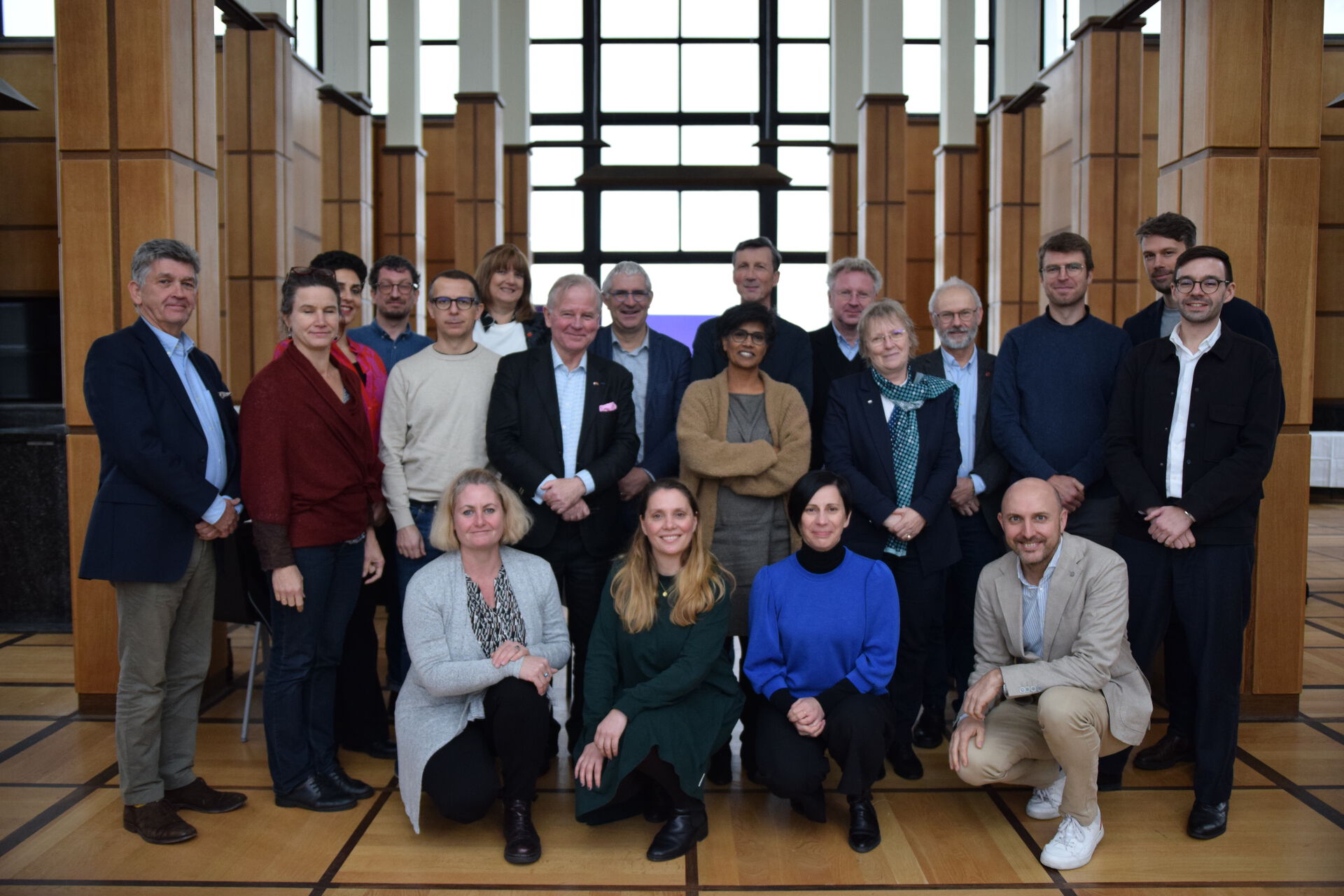 Last year our strategic leads on education continued the discussion on educational innovation with colleagues from The Guild Innovation working group. They identified differences in their respective activities but agreed that students need to be critical thinkers and citizens first and foremost.
Measures to strengthen the entrepreneurial mindset of students through challenge-based education initiatives were presented, focusing on how to scale up initiatives across institutions. European Universities alliances were mentioned as a possible vehicle for upscaling. Participants agreed that the change must come from within the sector itself. In times of shrinking resources, universities are more risk-averse and less keen on innovation. There are also self-imposed regulations within the university which limit flexibility and new types of collaboration.
Members also discussed how physical space affects the learning experience. Ghent University presented their vision for university infrastructure “UGent Verbeeldt 2050” that stimulates connections between education and innovation by bringing together several campuses into university clusters.
Finally, members agreed that we cannot leave social sciences, arts and humanities out of discussions on innovation. They noticed a disconnect between the narrative of European values and identity on one hand, and the focus on deep-tech talents on the other hand. The risk of polarisation and raising nationalism were seen as bigger threats than technology and artificial intelligence.
This Spring our experts held a follow-up meeting with DG EAC’s Innovation and EIT Unit focusing on the “right competencies” for innovation. They reiterated that our understanding of competitiveness cannot overlook its societal aspects.
Europe needs Erasmus+ more than ever
The Guild’s members with expertise in the Erasmus+ programme provided excellent input for the Erasmus+ interim evaluation. They highlighted the growing importance of the programme in times of increased polarisation. Ambitious mobility targets and inclusion rates, coupled with the calls for pedagogical innovation, will require an increased investment in Erasmus+. The paper provides insights into how the programme could be further developed based on the lessons learned and by identifying areas where additional efforts could create a distinctive impact.
Members proposed to reevaluate the current mobility models, stressing harmonisation across different types of mobility. Recommendations included refining eligibility criteria for blended intensive programmes, making short-term PhD mobility more attractive, and introducing more flexibility for teaching and training activities. To enhance inclusion, they called for greater transparency in defining the criteria for students with fewer opportunities to ensure that we support those who otherwise would not be able to go abroad.
Digitalisation of Erasmus+ presents an opportunity to simplify the administrative management of the programme, especially of new formats such as short-term mobility. Similarly, the introduction of the lump sum funding model has been welcomed by the sector, but more clarity is needed around reporting, audit procedures and quality assessment.
Our recommendations on the global dimension of Erasmus+ were an important contribution to the interim evaluation. Erasmus+ should respond better to the global ambitions of universities. Our proposals included aligning the intra-European and international dimensions of the programme, providing greater flexibility in International Credit Mobility, and introducing dedicated schemes to support students and researchers at risk.
The Guild was pleased to contribute to several important stakeholder meetings such as the flagship seminar of the Academic Cooperation Association and the student-led conference Erasmus Generation Meeting.
Investment Pathway for the European Universities alliances
Earlier this year The Guild published concrete proposals for the Investment Pathway of soon to be 60 alliances. As a strong supporter of the initiative since its beginning, we are pleased that all our members actively contribute to seven distinguished alliances: Circle U., CIVIS, EELISA, ENLIGHT, EUTOPIA, NeurotechEU, and Una Europa.
Recognising the need for long-term funding with greater flexibility, we argued that European funding alone will not be enough. The sustainability of the initiative will require concerted efforts by national governments and institutional commitments.
The Investment Pathway should reinforce the research and innovation capacity of universities through competition open to all research actors with the necessary expertise to spur changes in their national and/or institutional context. Consortia should demonstrate commitment to implementing policies that can advance the European Research Area (ERA) and contribute to removing silos between education, research and innovation.
Appropriate funding of the alliances will need to ensure complementarities between the different EU instruments (Erasmus+, FP10, EU’s external action funds, EU’s structural funds) without compromising their key principles. We also called for more flexibility and bottom-up opportunities to ensure that the content of collaboration can be developed by the alliances themselves.
Other articles
Foreword by Acting Secretary-General Ole Petter Ottersen
Shaping European framework programmes for R&I
European Research Area in action
Making new forms of Africa-Europe research collaboration a reality
Université PSL joins The Guild
Interview with Henrique Santos, Junior Policy Officer