Horizon Europe: strategic priorities
<< Back to the Annual Report 2022-2023
After we had been one of the first networks to provide initial feedback on how our researchers and research offices engaged in Horizon Europe in early 2021, in the past year we launched a deeper reflection on how the new programme has been received by our research community. This entailed mobilising six of our working groups to influence the mid-term review of the programme, that shared their insights into the scientific priorities that the challenge-driven pillar of Horizon Europe should focus on in the last years of its running.
Horizon Europe interim evaluation
Social Sciences, Arts and Humanities research
The Deans of Social Sciences, Arts, and Humanities (SSAH) have emphasised the importance of SSAH research in addressing Europe’s challenges and have called for a stronger role for SSAH research in Horizon Europe. The Deans have stressed the importance of including the entire range of the SSAH disciplines in the research priorities articulated by Horizon Europe.
Under Horizon Europe’s Cluster 2, the SSAH Deans have reflected on the need for a profound understanding of human conflict and the relationship between tradition, innovation, and transformation in Europe. They have also urged a better understanding from an SSAH perspective of how markets work and how they can become more resilient under the pressure of global threats. The Deans have demanded a genuine integration of SSAH across the entire Horizon Europe funding programme, promoting stronger interdisciplinary collaboration to align technological developments with human values and culture.
Digital and AI research
The Heads of Digital/AI Research have noted that the relevance of digital/AI research has not decreased since the launch of Horizon Europe. Challenges are instead mounting. This requires increased investment in research to accelerate the digital transformation of Europe’s society, economy, and public services, and thereby increase the global competitiveness of European industry. As the green and digital transitions become increasingly entwined, this will also require the greening of digital technologies as well as the development of digital solutions that will improve energy efficiency and prevent and curb biodiversity loss.
Fundamental research is also increasingly crucial for enabling Europe to maintain and even strengthen its capacities to develop digital technologies and shape the ongoing fast-paced digital transformation. Digital/AI research must not only make Europe fit for the digital age. It is also crucial that it contributes to making this digital age human-centred and compliant with Europe’s core values.
Health research
The Health Deans have reasserted the crucial importance of investing in health research to address the demographic changes in Europe (such as an ageing population and brain drain), improve pandemic preparedness, and ensure access to innovative and high-quality healthcare throughout Europe. We have highlighted research areas that deserve further attention in the second half of Horizon Europe, such as mental health, interactions between communicable and non-communicable diseases, and preventive and non-pharmacological interventions.
Advancements in these and other health research domains will require improved access to and reuse of data in compliance with the existing EU rules for health research purposes. It is therefore key that Horizon Europe does not neglect these enabling factors. Finally, our Health Deans have raised the concern that the implementation of the EU Mission on Cancer undermines the need for investment in fundamental research.
Association of UK and Switzerland with Horizon Europe
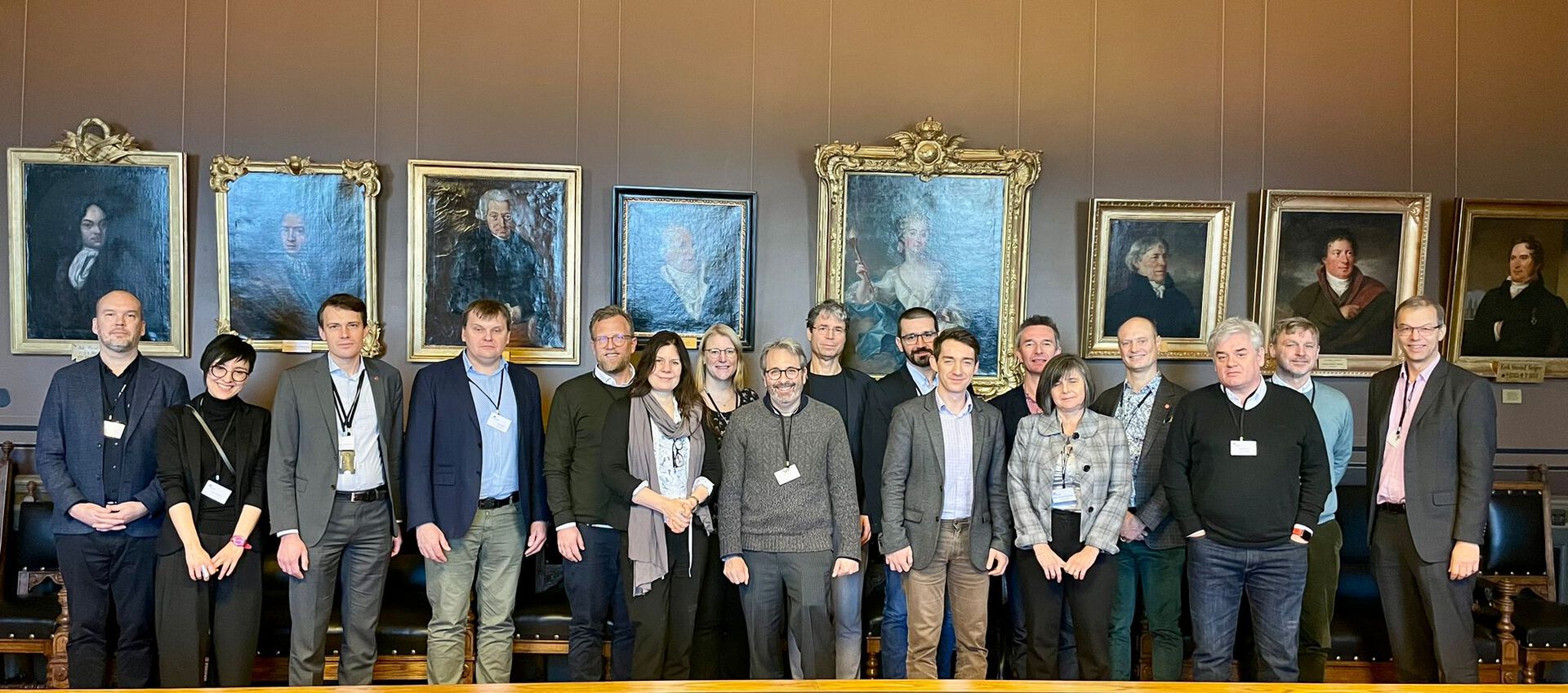
 The Guild maintained its efforts to ensure a swift association of the UK and Switzerland to Horizon Europe. Meeting in September with Martina Hirayama, Switzerland’s State Secretary for Education, Research and Innovation, our Vice-Presidents voiced their concerns over the negative consequences of the EU–Swiss political disagreement for the excellence and competitiveness of the European research system as a whole.