Advancing the European Education Area
<< Back to the Annual Report 2022-2023
With ambitions to complete the European Education Area by 2025, this year marks a mid-term reflection process to take stock of progress and discuss the next steps. Several actions have been initiated: from promoting the European approach to microcredentials, selecting 44 European Universities, piloting the European degree label to supporting digital education and training.
Education policy
In 2022–2023 our Strategic Leads on Education have focused on transnational collaboration, looking into different approaches taken by institutions and European University alliances – joint study programmes, micro-programmes, connected learning communities, semi-joint curricula etc. Based on policy analysis and multiple interviews within the network, the group has explored existing pedagogic/mobility designs and different approaches to transnational education collaboration.
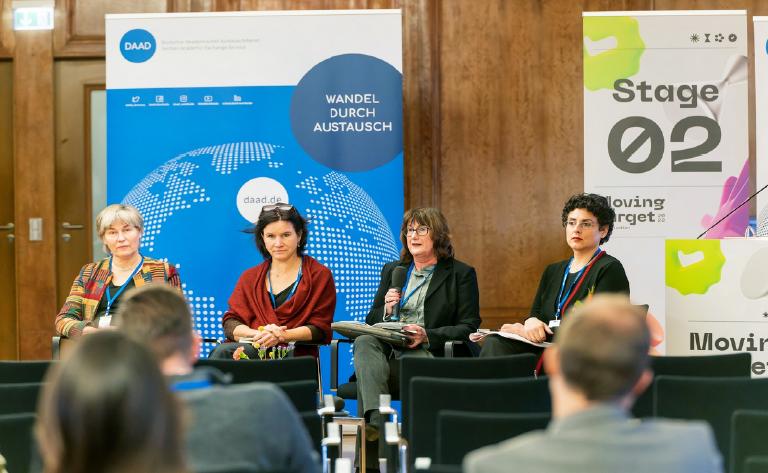
Given the current policy push towards a potential European degree label, the group has engaged with policymakers in the Directorate General for Education and Culture (DG EAC) to share their insights on the possible added value and the scope of such a label. Joint degrees are one way of collaborating across institutions and should not be seen as the only indicator of success. Building on The Guild’s previous Insight paper Reimagining Research-led Education in a Digital Age, the group has advanced recommendations on how to structurally connect educational provisions, exploring the complex relationship between mobility, flexibility, and individualised learning. First insights were presented at the “DAAD Moving Target Digitalisation” conference in December 2022, and then shared in The Guild’s virtual seminar with the broader community in 2023.
- Check our latest activities on the Future of Education.
Erasmus+
In the past year, our Erasmus working group has started to reflect on the implementation of the first two years of the Erasmus+ programme. They have discussed their experience with new actions such as the Blended Intensive Programmes, short-term mobility, and top-up grants for green travel. The group has also reiterated the call for a holistic approach to the digitalisation efforts of the programme, with universities in the driving seat. Given the complexity of switching from paper to digital mobility management, along with scarce IT resources at universities, our members have highlighted the importance of setting realistic 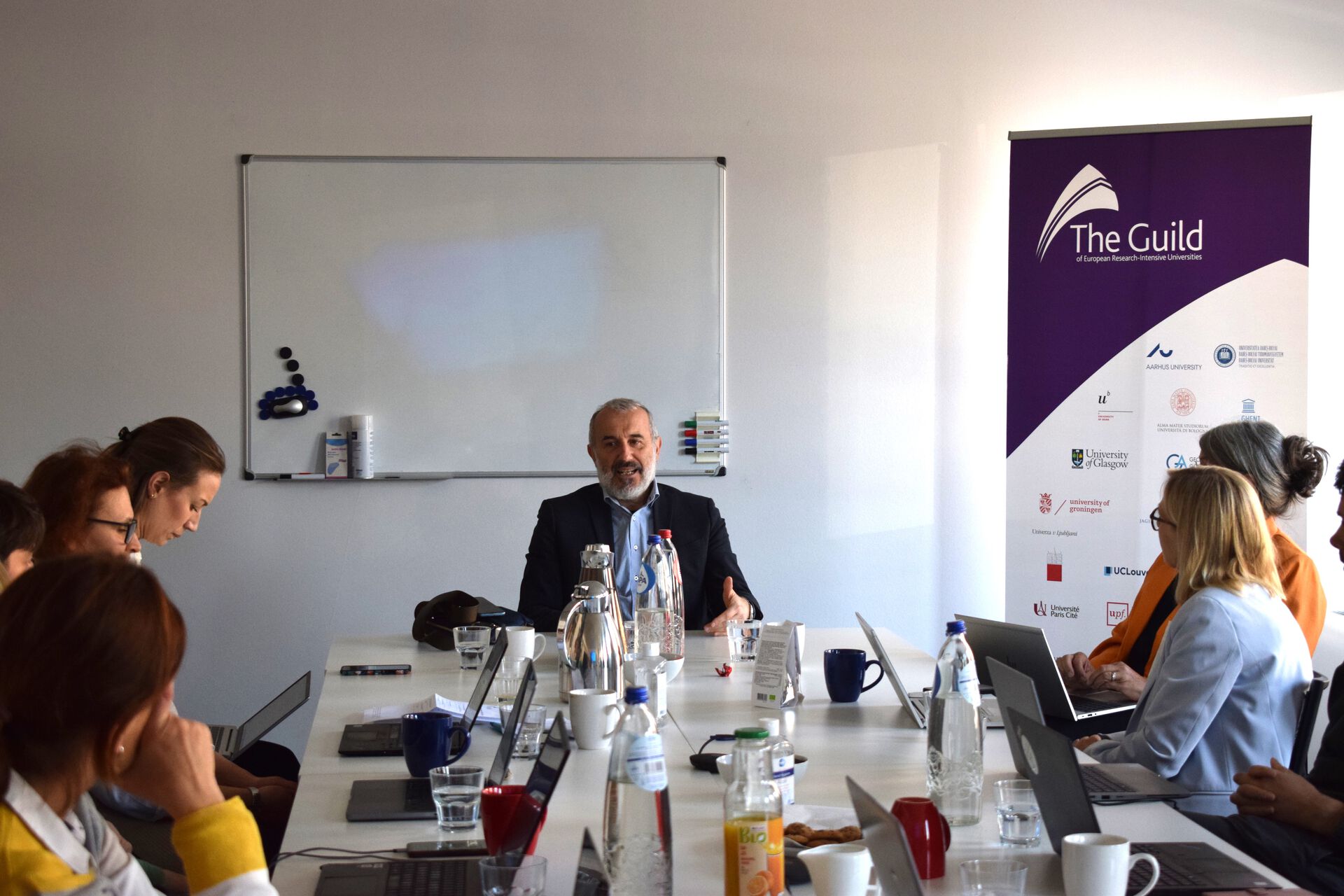 milestones and investing in infrastructure and human resources. In 2022 The Guild joined the Erasmus Without Paper (EWP) University and Student Forum, the new governance body of the EWP consortium, to amplify the voice of the higher education community.
After a series of online meetings, the group met in Brussels to share their recommendations with colleagues from DG EAC at the European Commission. This feedback was timely as we approach the Erasmus+ mid-term review later this year. We hope that the experience of colleagues within The Guild network will contribute to a more impactful programme with smoother implementation in the future.
The European Universities initiative
The most ambitious educational initiative in recent years has led to the selection of 44 European Universities. We are particularly pleased that the connections made within The Guild have helped our members to take part in the initiative. Through their activities in Circle U., CIVIS, EUTOPIA, ENLIGHT, NeurotechEU and Una Europa, universities are working together across education and research – by offering virtual exchanges, establishing joint study programmes, connecting research support offices, facilitating joint research visits and project proposals etc. Most importantly, alliances have created an atmosphere of collaboration.
With the end goal of providing quality education and research, our members have emphasised the importance of safeguarding the bottom-up nature of the initiative while ensuring a long-term funding perspective. In response to the growing importance of this issue among policymakers, in the past year the group has focused especially on the need for R&I funding for alliances. Although these began as educational collaborations, the initiative cannot be completely separated from research. This has given rise to important discussions about the nature of this relationship in an alliance of universities. And it has raised the question of how the research dimension of research-intensive universities has provided a specific context for pedagogical innovation.