Through The Guild of European Research Intensive Universities and in collaboration with the African Research University Alliance, 20 long-term, equitable research clusters have been established in the past year with universities from both continents. The initiative has been characterised as a game changer
We have launched a new approach to partnership that allows us to focus on the entire knowledge system based on common challenges. Therefore, this initiative also opens doors to important political arenas. I participated in the high-level event "Positioning Africa's Industrial Skills Development" during the UN General Assembly as the Chair of The Guild. This weekend, as the UiO Rector, I attended the annual Science and Technology for Society (STS Forum) in Kyoto - a global summit for research and innovation.
Knowledge and competence are high on the agenda in both the AU and EU. This year is "The European Year of Skills," and in 2024, the AU will also focus on the same theme. As part of the Third Industrial Development Decade for Africa framework, The African Union Commission, UNIDO, and UNECA, along with partners, organised a high-level meeting during the UN General Assembly specifically about skills development. Africa's share of global industrial production is far below its rightful share. Further development of skills and capacity to meet the diverse needs of nation-states was discussed, highlighting the need for action.
The further industrialisation of Africa requires various types of skills and expertise, from vocational schools to doctoral education. Universities clearly play a central role in this, particularly in connecting graduates, research, innovation, and society. Albert Muchanga, the AU Commissioner for Trade and Industry, emphasised that science and technology are among the AU's top priorities and that a transformation of universities is needed. Developing 200 research-intensive universities is a goal in the AU's Agenda 2063 strategy. Strong higher education institutions are crucial for Africa's development.
At the same time, the challenges related to industrialisation in Africa encompass the entire education chain. Shorter technical education and vocational schools are also important. It's interesting to note that the challenges in industrialisation in many ways parallel those in research. A too small proportion of the world's industrial production and research takes place in Africa. Skills drain is parallel to brain drain. During the meeting in New York, a study was mentioned that found that half of the young population in Africa wishes to leave the continent. A significant portion of African doctoral candidates who have completed their PhDs abroad do not return to Africa due to limited career opportunities and infrastructure shortcomings.
The AU Commissioner for Education, Science, Technology, and Innovation, Mohammed Belhocine, was equally clear during a session on science and technology as drivers of development at the STS Forum in Kyoto - there is a need to invest in the entire education chain, and stronger institutional collaboration is required.
Therefore, a new approach is necessary; one that thinks "for Africa - in Africa”, not simply as a goal in itself, but in pursuit of our common Global Sustainable Development Goals which require strong partnerships between the Global South and the Global North. Specialised expertise and sufficient capacity must be developed, and investment is required to create jobs and career opportunities. South-South cooperation to complement equitable North-South cooperation, as emphasised in our thinking, is equally crucial for increased industrialisation.
Our work on long-term, equitable Africa-Europe knowledge collaboration is being noticed. Our 20 Africa-Europe CoREs - Clusters of Research Excellence involve over 250 researchers from over 100 institutions across 60 countries. We are now inviting research funders, NGOs, and donors to join in rethinking competence development and knowledge collaboration North-South and South-South. Today's systems and programmes are not adequate for achieving truly equitable, long-term, and robust collaborations that build strong research-intensive universities.
This article was originally published by the University of Oslo's Rektoratbloggen.
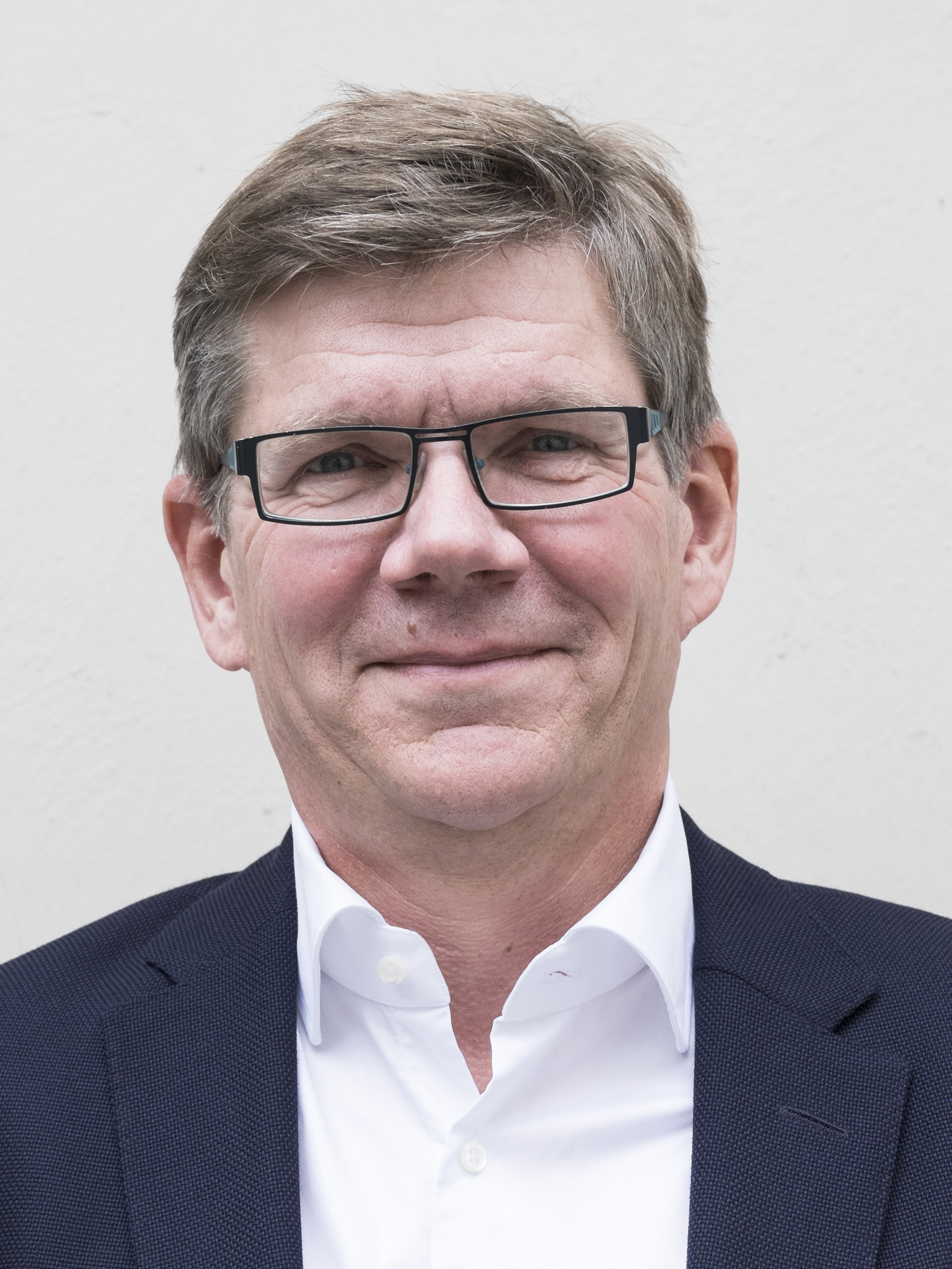
Svein Stølen
Nanotechnology, and conducted research on the structure and properties of inorganic compounds. His previous board memberships include the Institute for Energy Technology, CIENS, NANO2021, NRC Division for Science, UiO:Energy and chairing the UiO: Life sciences-initiative, as well as the National Centre Digital Life Norway. Prof. Stølen loves teaching and throughout his career, he has been committed to communicating science to the public.