Launched in 2023 by The Guild and ARUA, the Africa-Europe CoRE initiative represents a new model of collaboration between leading researchers from both continents, grounded in equity and mutual commitments. Since its inception, the initiative has grown from seventeen to twenty-two clusters, each addressing thematic areas of strategic importance to both continents.
Marking three years of the initiative, this year’s conference focused on reviewing progress, strengthening partnerships, and identifying new opportunities. By bringing together university leaders and distinguished researchers, the gathering reinforced that time, honest relationships and openness to a diversity of talent can build the transcontinental collaborations needed to achieve excellence and address global challenges. The event also coincided with the University of Glasgow’s 575th anniversary and The Guild’s 10th anniversary.
Opening reflections
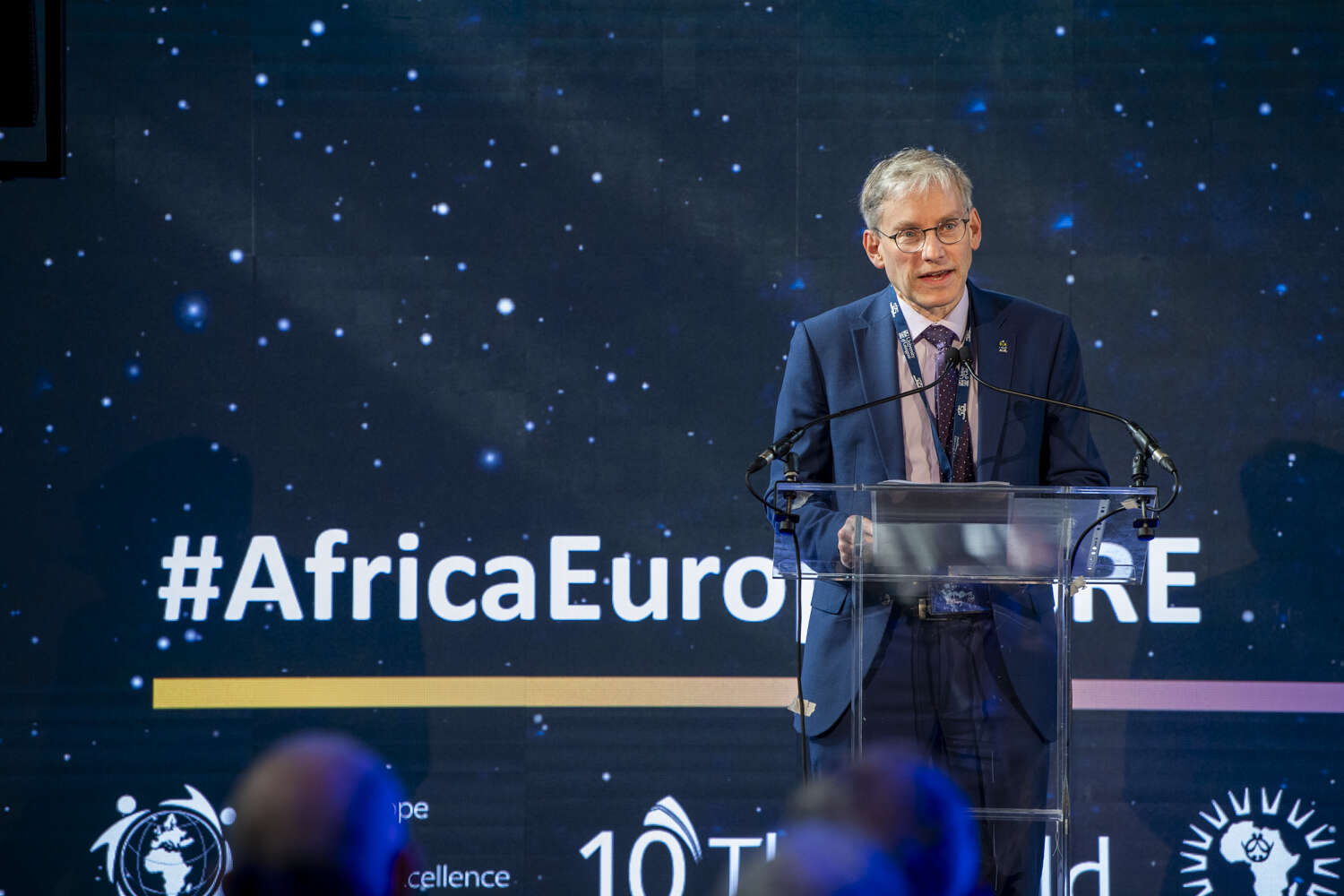
Welcoming participants, Professor Andy Schofield, Principal and Vice-Chancellor of the University of Glasgow noted the impact the CoRE initiative is already having in shaping discussions on equitable partnerships. “The Africa-Europe partnership highlights what is possible when researchers come together as equal partners, bringing different expertise, perspectives and lived experiences to address shared challenges.” He reaffirmed the university’s commitment as a co-leading institution of two clusters and partner institution in two others, noting that the initiative is generating world-class research while strengthening long-term relationships and research capacity across both continents.
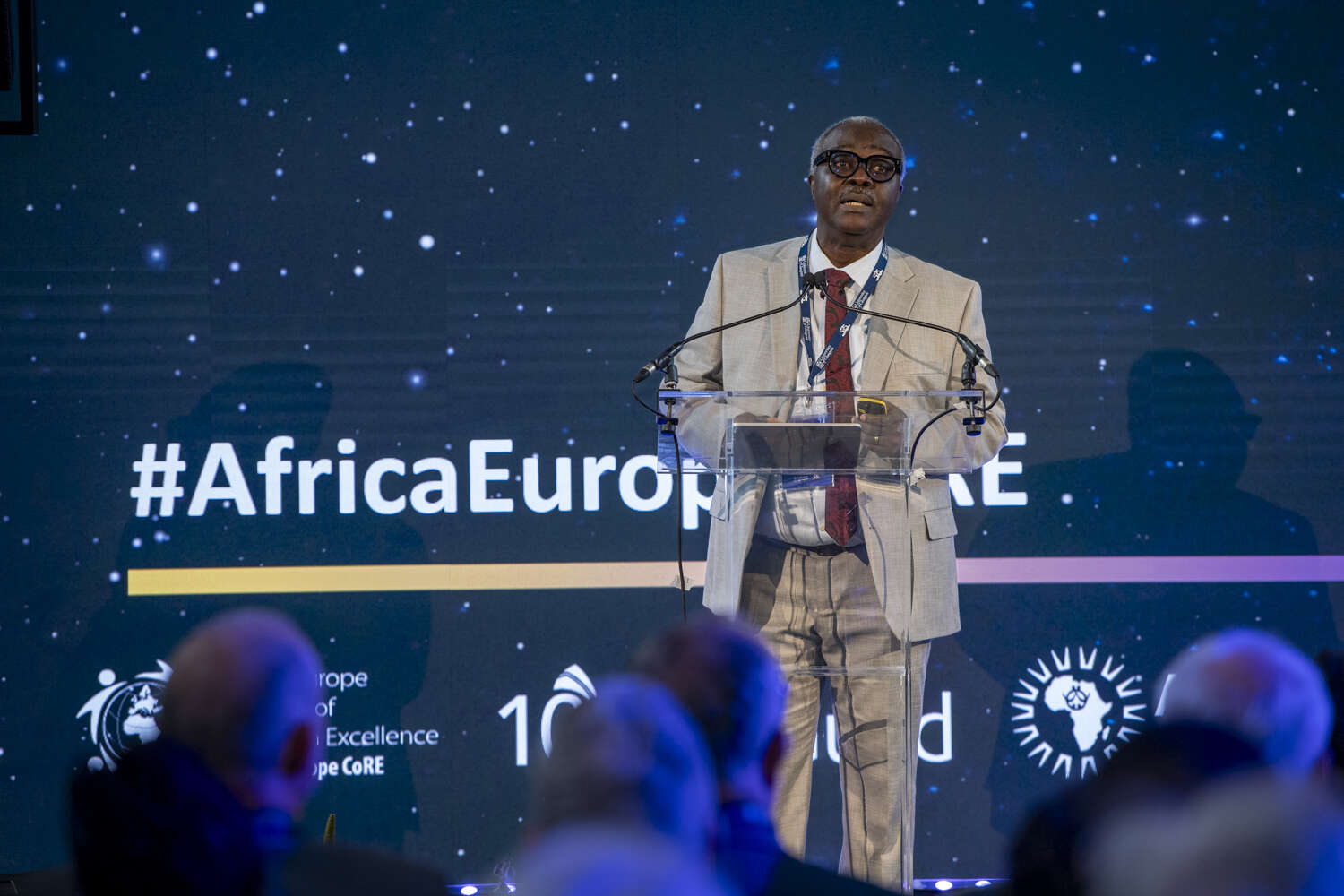
Professor John Gyapong, Secretary-General of ARUA offered a strategic overview of the initiative’s evolution and emphasised that the Glasgow conference should move from reflection to decision-making on the next phase of joint ambition, including identifying clusters that need scaling up .

Professor Jan Palmowski, Secretary-General of The Guild reflected on the importance of creating “spaces of trust” within research collaborations. He stressed that such spaces are essential for addressing inequalities in funding, infrastructure, and human resources, and that it was essential to strenghten the CoRE initiative in its capacity to strengthen such spaces. He also noted that current geopolitical tensions have further amplified these inequalities, making the initiative’s mission all the more important.
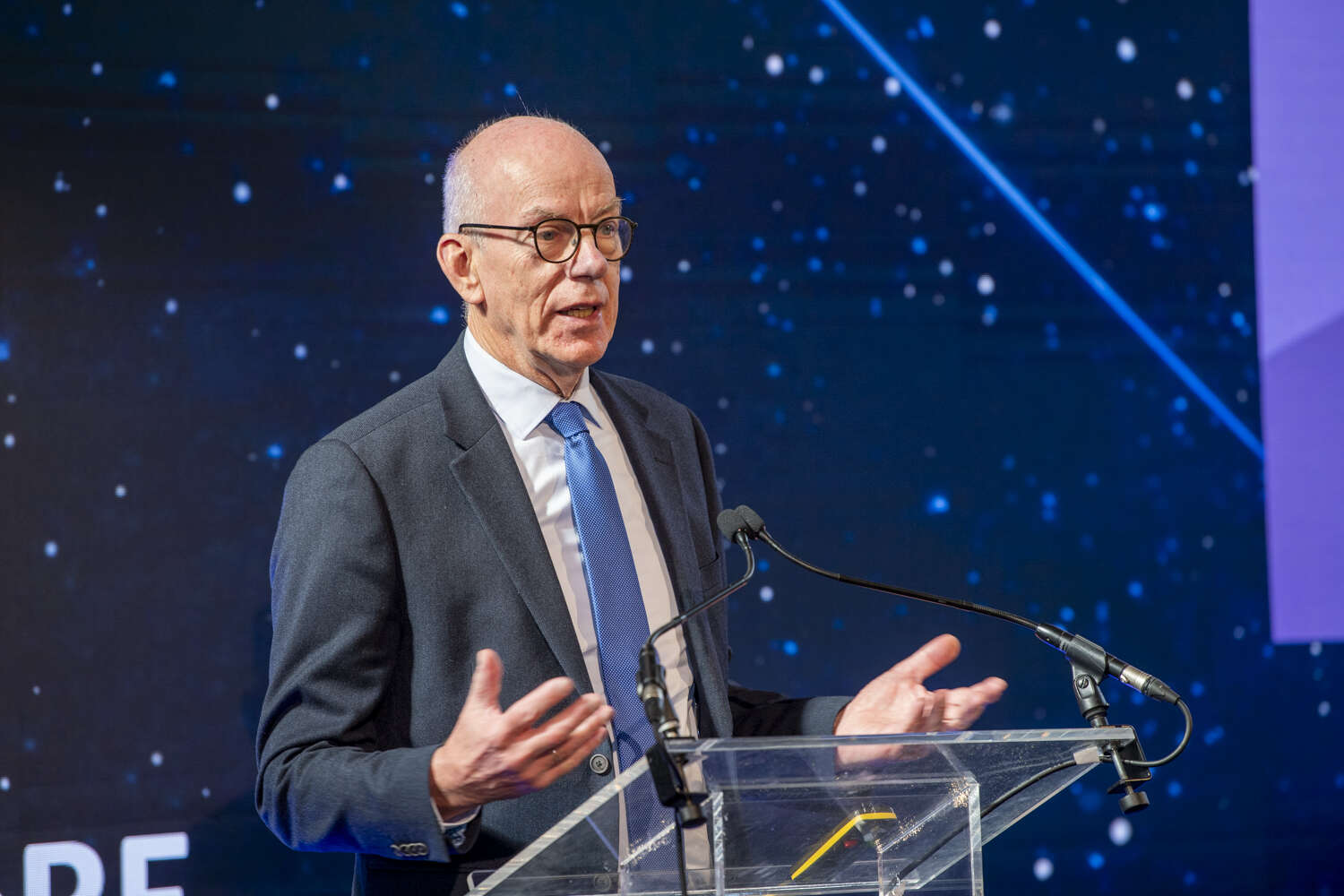
In his keynote speech, Professor Peter Maassen of the University of Oslo outlined the history of the ARUA-Guild partnership and its alignment with the AU-EU Innovation Agenda. He reflected on the significant global shift in science policy from “sustainability to security,” driven by geopolitical turbulence and the withdrawal of US commitments to international science. This was complicated by demographic trends, noting that by 2040, more than half of the world’s students will come from Africa. Maassen argued that the CoRE initiative must help train a new generation of scholars in ways that avoid brain drain by promoting brain circulation and creating strong career pathways on both continents. He concluded by challenging the clusters to improve the science-society relationship and ensure that knowledge transfer directly addresses local socioeconomic needs.
CoREs: Three years on
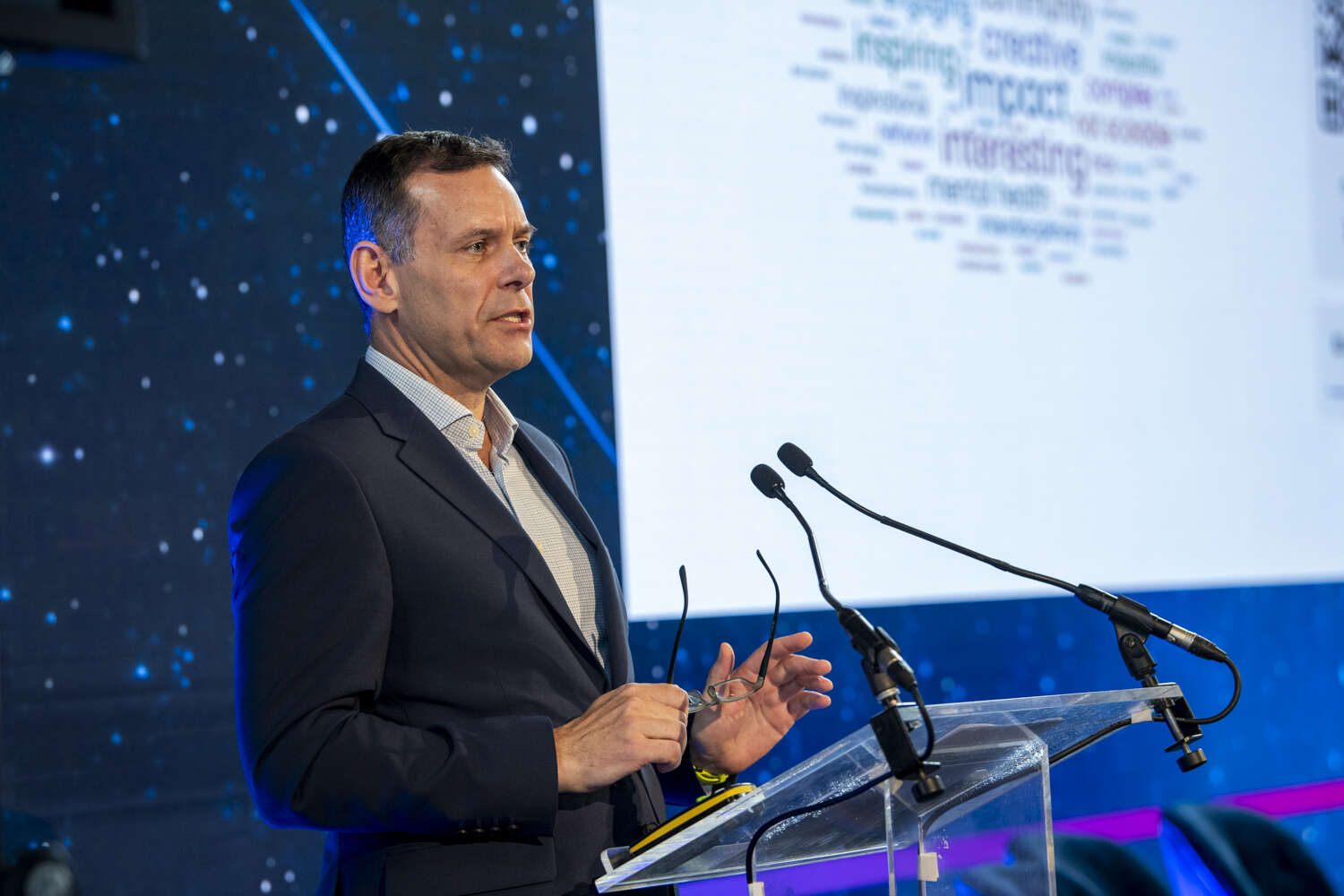
Representatives from the CoREs gathered at the conference presented their achievements, practices and challenges, taking stock of three years of collaborative work. Professor Chris Pearce, Vice-Principal for Research and Knowledge Exchange at the University of Glasgow, moderated a plenary of CoRE academics on the complexities of partnership building in an evolving funding landscape.
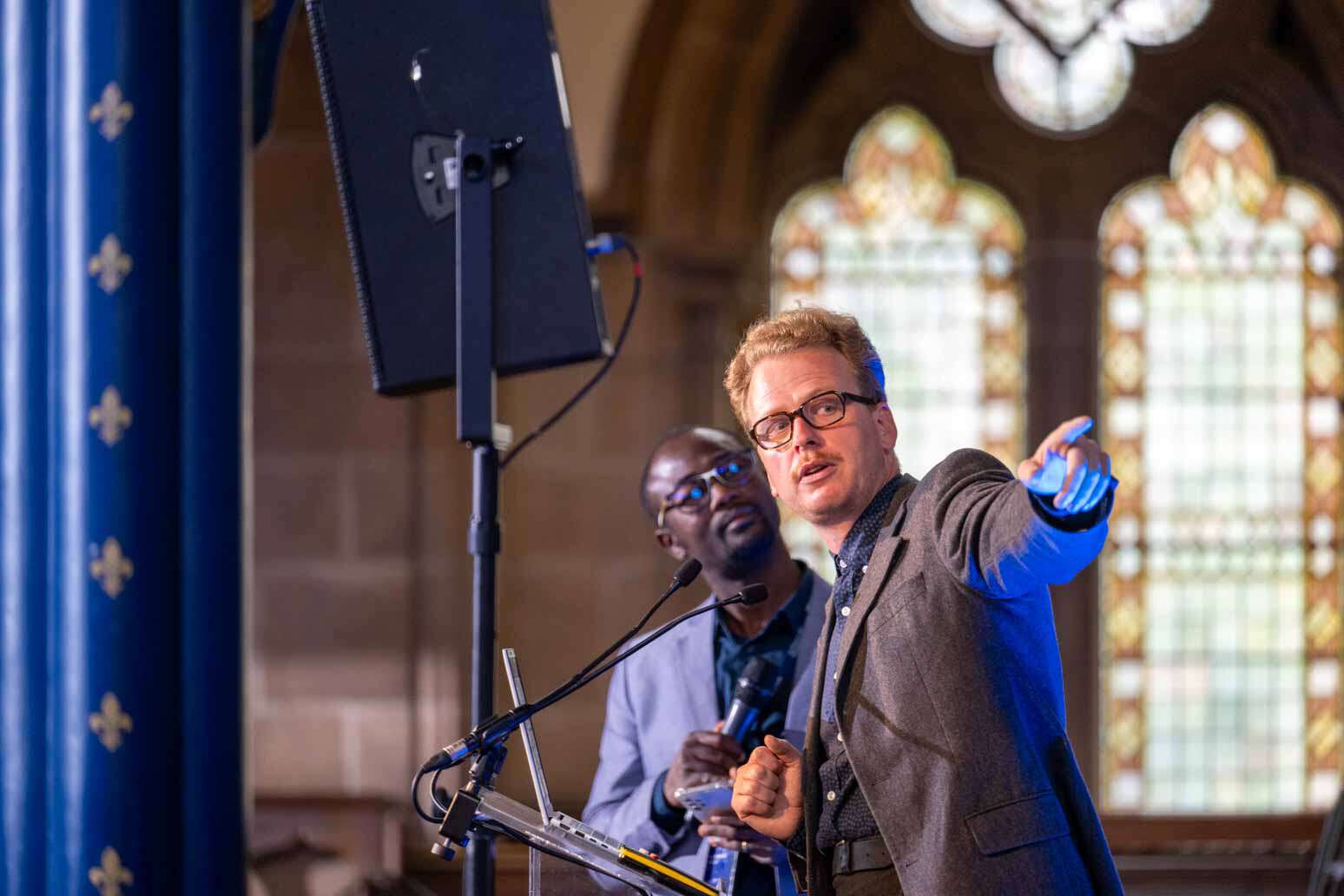
Guild Senior Policy Officer Sean Rowlands reported on progress so far with regard to the policy and funding programmes that CoREs are aligned with by design. Academics from across different CoREs reflected together and shared experiences on opportunities for collaboration across clusters and best practices for building equity and sustainability for their work in the long-term.
Another plenary discussion gave space for CoREs to identify key messages, priorities and challenges from their experiences in the initiative. These helped to inform different CoREs facing similar opportunities and challenges and it generated insights and feedback that ARUA and Guild university leaders took into consideration for their governance and collective seed-funding for the initiative. Throughout the conference, CoREs organised their own hybrid meetings and exchanges with other CoREs to plan and develop future activities in research, innovation, higher education and capacity building.
Joint leadership meetings
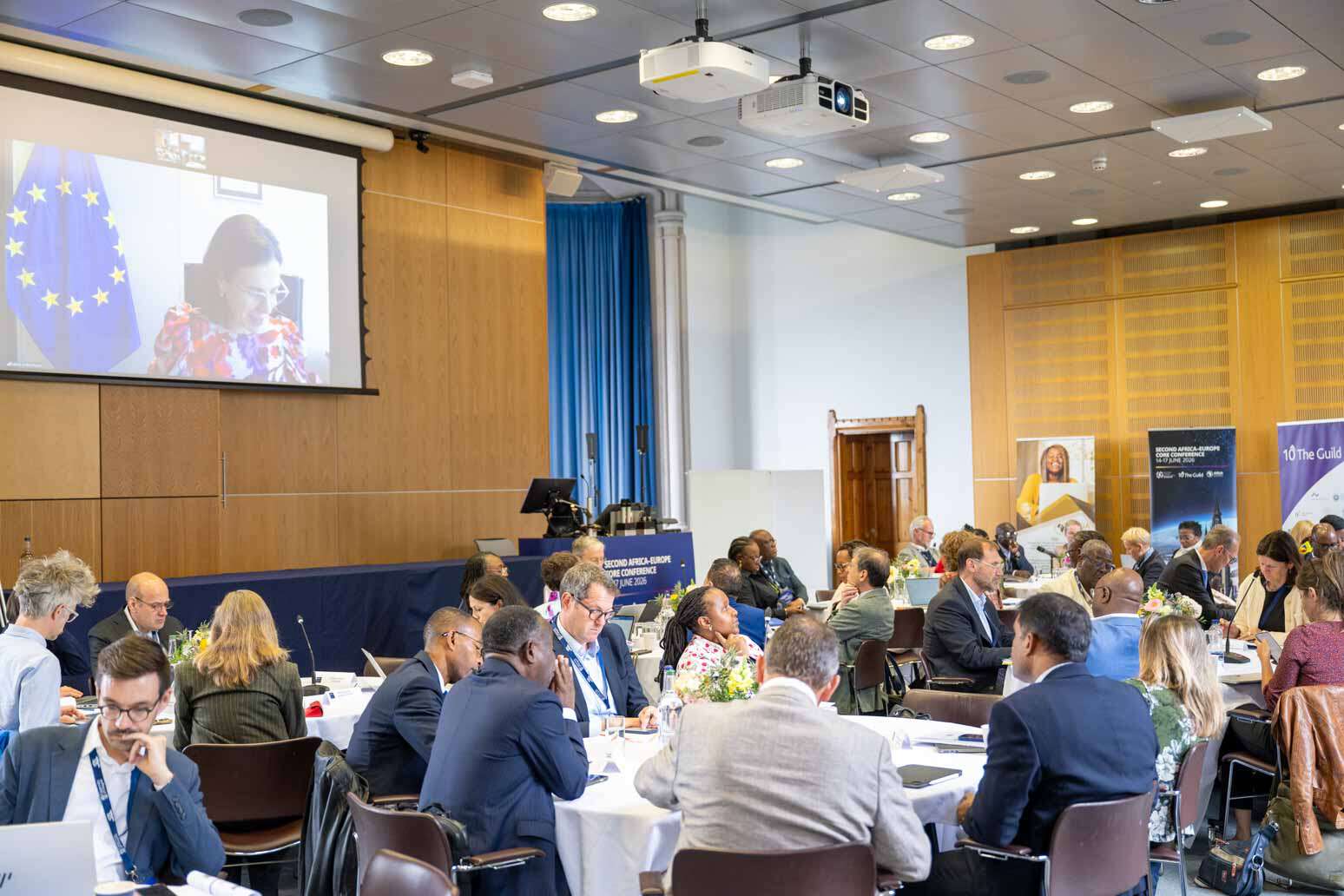
While CoRE plenaries and meetings were going on, leaders of The Guild and ARUA met for a series of in-depth governance discussions about the CoRE initiative. They also reflected from diverse perspectives on the role of universities in strengthening AU-EU collaboration at a time of geopolitical rupture. In a discussion with Maria Cristina Russo, Deputy Director-General of the Directorate-General for Research and Innovation, European Commission, university leaders examined the state of play of the AU-EU Innovation Agenda, adopted in 2023. They also discussed key challenges in international collaboration, including knowledge security and science diplomacy.
.jpg)
Professor Christopher Smith, Executive Chair of the Arts and Humanities Research Council (UK) and International Champion of UK Research and Innovation further explored the impact of geopolitical tensions on international research funding and security measures. He reflected on how equity, meaningful partnership and alignment between local and global research agendas must be sustained from the bottom-up by universities amid shifting priorities and constrained resources.
Looking ahead
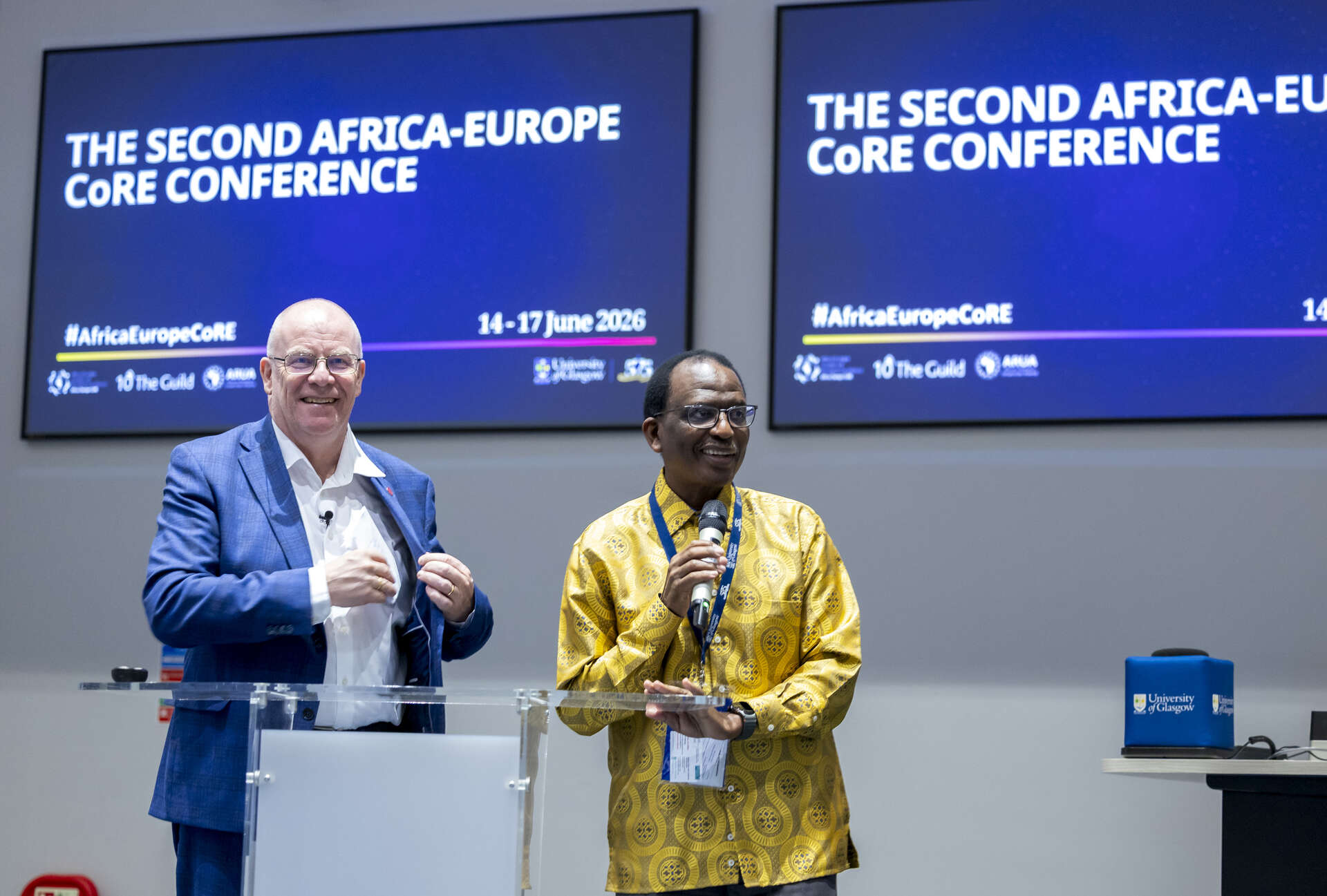
In closing, speakers emphasised the unique nature of the CoRE initiative bringing together university leaders and scholars in a shared space for strategic dialogue and action. Professor Anders Hagfeldt, Chair of The Guild and Vice-Chancellor of Uppsala University, and Professor Sizwe Mabizela, Chair of ARUA and Principal and Vice-Chancellor of Rhodes University, reaffirmed the leadership’s commitment to “hold the course” despite global headwinds. Professor Hagfeldt invoked the African proverb, “If you want to go fast go alone, if you want to go far go together,” underscoring the importance of collective effort. He exclaimed that with the energy displayed throughout the conference, “we can overcome various challenges”. Professor Mabizela noted that the collaboration represents “new partners, new and expanded opportunities and above all new possibilities.” He stressed that we need to work together in a mutually beneficial manner and equitable form. “No single nation or institution can solve problems in isolation. We are stronger, better and more impactful if we work together.”
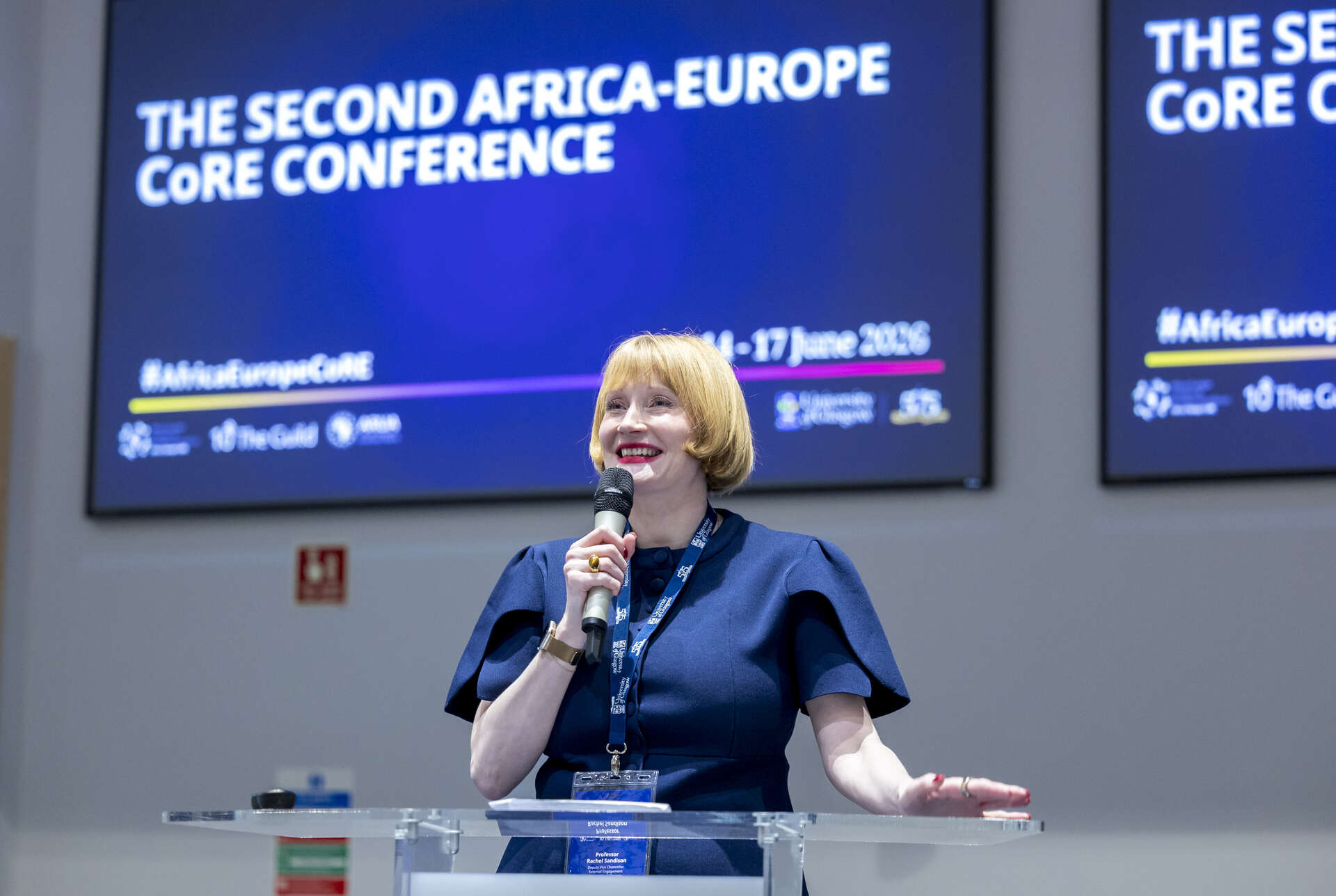
Professor Rachel Sandison, Vice-Principal at the University of Glasgow, delivered the concluding remarks expressing that it had been an “enormous pleasure and privilege” to host the conference. She thanked her “world-changing Glasgow colleagues” for their work and offered a traditional Scottish blessing to the departing delegates: “lang may your lum reek” which means “long may your chimney smoke”, wishing the clusters continued success and prosperity.
The next Africa-Europe CoRE Conference will be hosted by the University Mohammed VI Polytechnic (UM6P) in Morocco in 2028.
Chair of The Guild, Anders Hagfeldt:
“It has been immensely valuable to reaffirm the commitment of our two networks to this unique project of collaboration, one that brings together leading researchers and university leaderships across Africa, Europe and beyond to address some of our fundamental concerns together. Despite current geopolitical tensions our common challenges only intensify, and they need urgent answers. I have been encouraged by the tremendous progress I have seen by our researchers in working together, and the joint sense of purpose of our university leaderships. I look forward to continuing to see how ARUA and The Guild, and our universities, can continue to support our researchers in their efforts to scale up their work to transform science for the benefit of our societies.”
Chair of ARUA, Sizwe Mabizela:
“The Second Africa-Europe Conference has been a tremendous success, reflecting the continued growth and maturity of the partnership between ARUA and The Guild.”
“No single country, institution, or region can address the challenges facing humanity in isolation. It is through stronger collaboration, shared expertise, and collective action that we can make a meaningful contribution.”
“For ARUA, this partnership presents a valuable opportunity to advance research, innovation, and capacity building across Africa. By empowering our next generation of scholars, researchers, and innovators, we aim not only to contribute to Africa’s development but also to generate solutions that benefit humanity as a whole.”
Principal and Vice-Chancellor of the University of Glasgow, Andy Schofield:
“The Africa-Europe partnership highlights what is possible when researchers come together as equal partners, bringing different expertise, perspectives and lived experiences to address shared challenges.”
“The University of Glasgow is proud to support and help lead this collaboration, which is not only generating world-class research but also building lasting relationships, strengthening research capacity and creating opportunities for future generations of researchers across Africa and Europe.”